


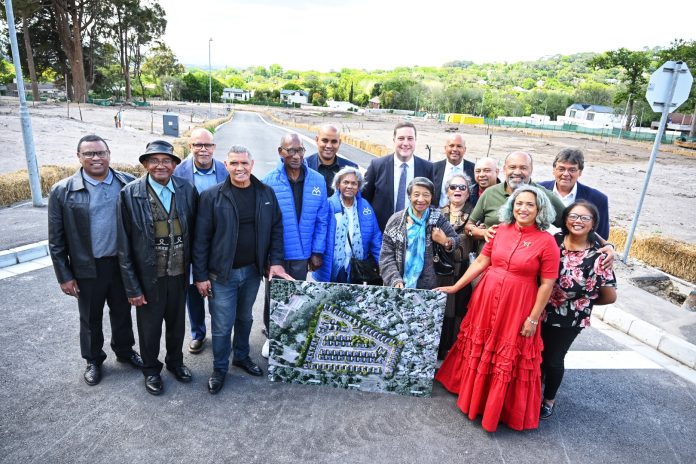
Amid criticism that the City of Cape Town has failed to adequately implement spatial redress, Mayor Geordin Hill-Lewis has welcomed progress on the Protea Village Restitution Project in Bishopscourt.
ALSO READ: ConCourt delivers blow to WC Govt and City in Tafelberg housing case – Smile 90.4FM
The project seeks to address the displacement of families under the apartheid regime’s Group Areas Act between 1959 and 1970.
The City is supporting the development through the release of R320 million in municipal land, as well as R83 million bulk and link infrastructure, planning assistance and regulatory support.
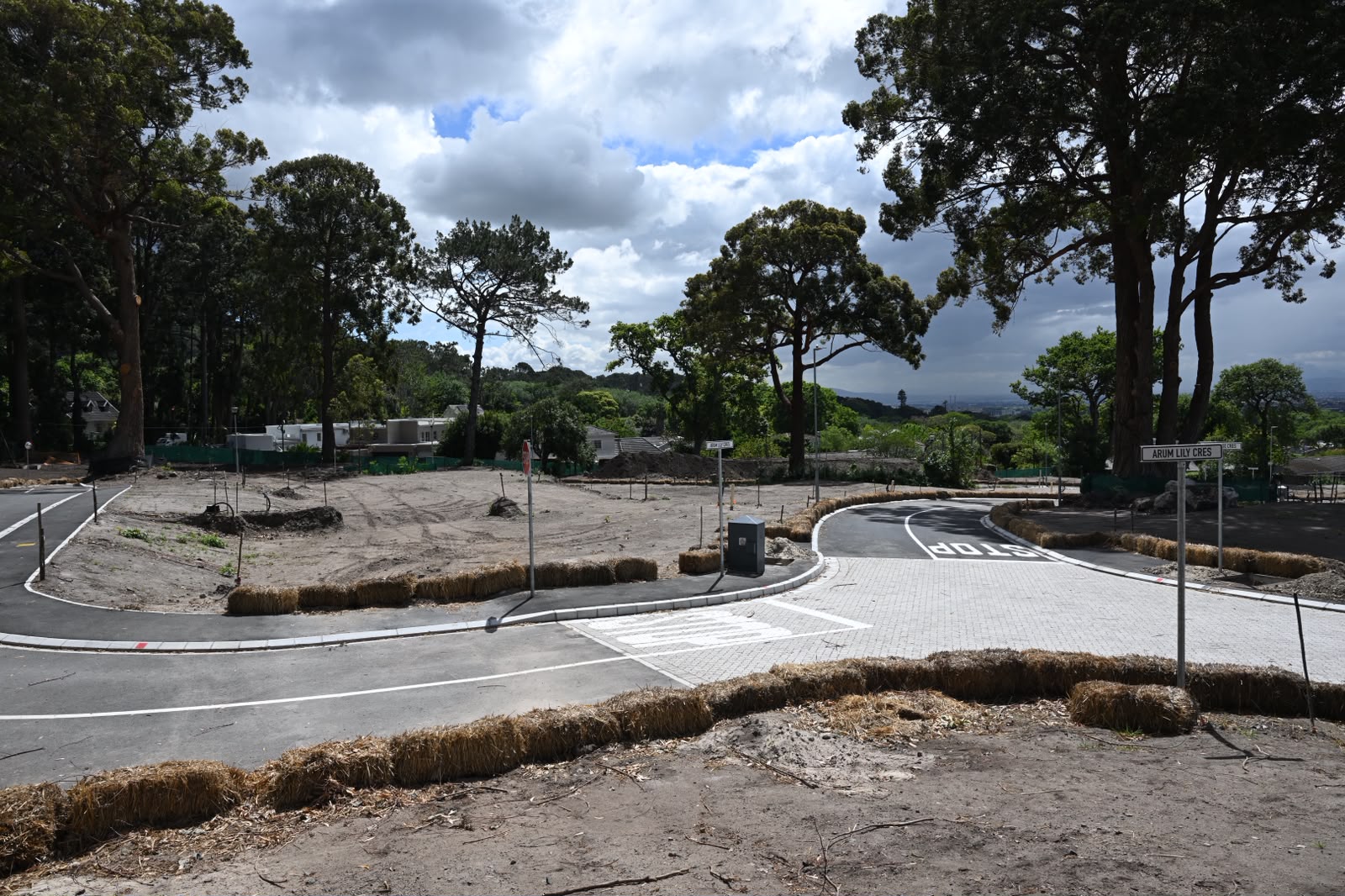
Onsite construction being in two years ago, with the start of construction of the 86 homes having begun on Monday. It’s expected to be completed in the latter part of 2027.
Hill-Lewis joined the affected families on the site on Monday.
“I cannot wait to see the families return to their land, move into their beautiful new homes, and begin a new chapter in this place they have long called home,” said Hill-Lewis.
Hill-Lewis said the project was an important example of how land restitution could help address the legacy of apartheid while restoring dignity to displaced communities.
“This project is a unique example nationally of what meaningful land restitution looks like. Not only does it restore dignity and redress apartheid’s spatial legacy, but it also presents a scalable restitution model that could help shape future restitution programmes across South Africa,” he said.
The City noted that the development uses a cross-subsidisation model, in which open-market plots will be sold to help fund the restitution homes and generate annuity income for the Protea Village Communal Property Association (CPA).
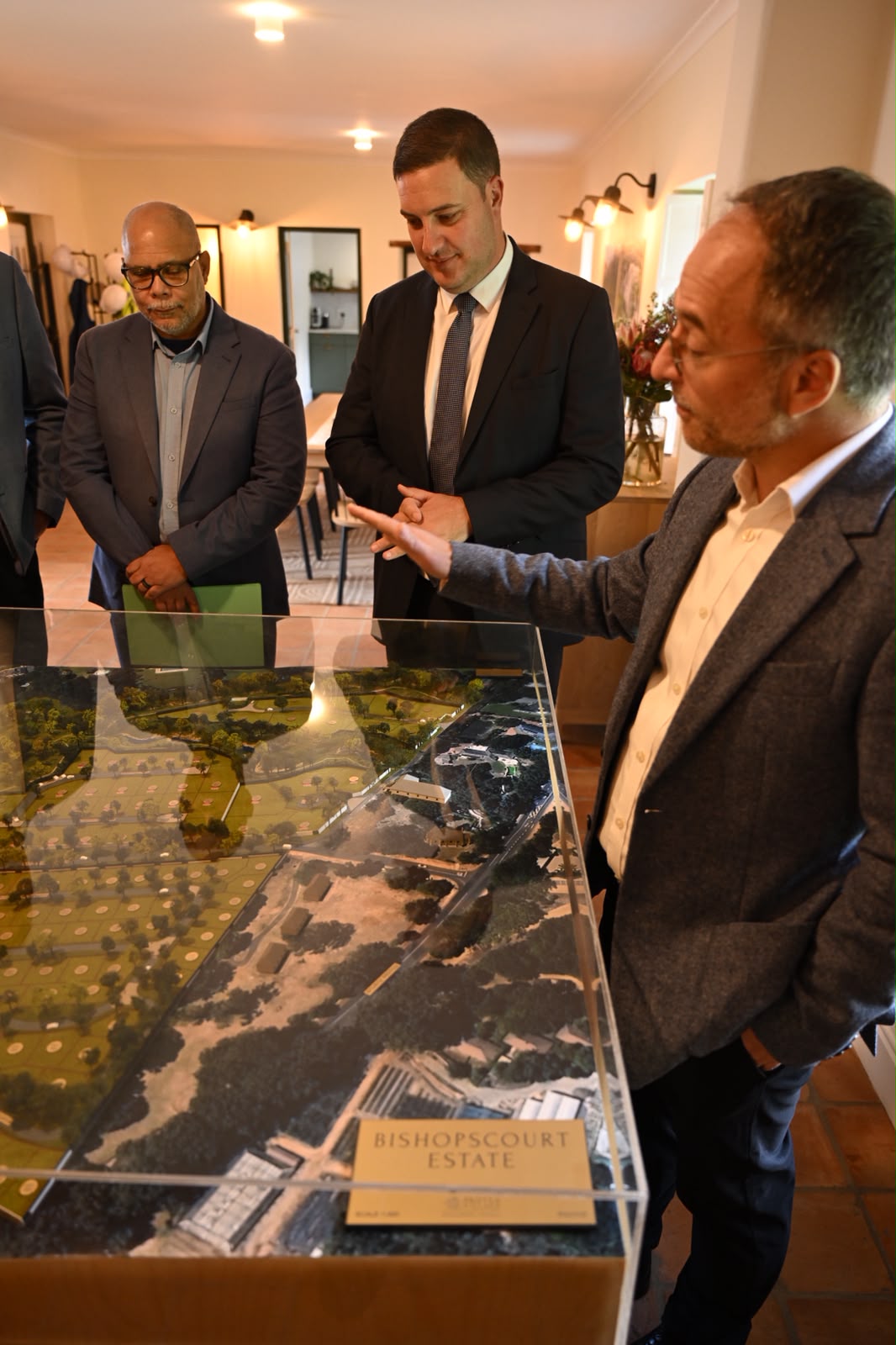
CPA chairperson Andre Maxwell said the progress represented a significant milestone for families who had waited decades to return.
“For a community that has waited decades for restitution, this progress means an enormous amount. We are now another step closer to rebuilding Protea Village and finally returning home. We have come a long way, but our work is not finished. Our focus now is on securing the remaining building approvals and getting construction underway so that the 86 families can finally return home,” Maxwell said.
The project also includes the preservation of four hectares of public greenbelt along the Liesbeek River, which the City will manage to enhance environmental and community benefits.
“This initiative restores land, dignity, and economic opportunity, integrating displaced families into this affluent suburb,” said Mayoral Committee Member for Human Settlements, Carl Pophaim.


