


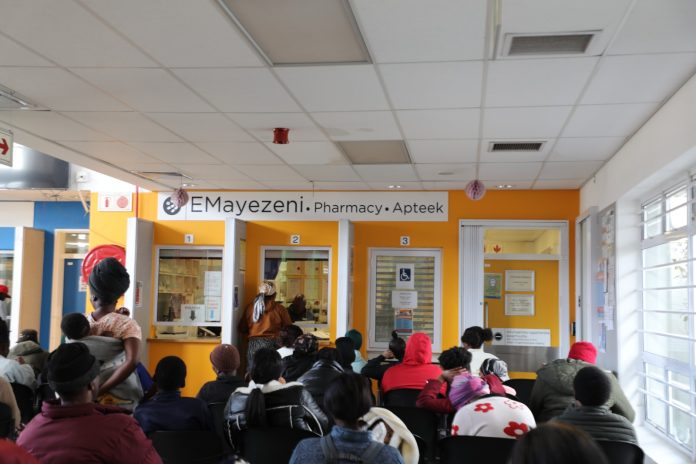
The Western Cape Department of Health and Wellness has called for national action amid concerns about ongoing medicine supply challenges in the province.
According to the department, medicine availability in the country is currently being affected by a combination of pressures across the national pharmaceutical supply chain. These include manufacturing and regulatory challenges, supplier constraints, import and customs delays, and delays in the testing and release of some medicines.
Western Cape Minister of Health and Wellness Mireille Wenger reportedly first raised concern about medication stock-outs on 2 June 2026, ahead of the National Health Council (NHC) meeting on 11 June, leading to the matter being tabled for discussion.
The Council reportedly recognised the seriousness of availability constraints and agreed that measures were needed to improve national coordination and monitoring of medicine availability. Wenger, however, says, more than four months later, supply constraints continue to affect patients and healthcare services.
The department says in September, Minister Wenger wrote to the national Health Minister, Dr Motsoaledi, to request national action and clear timelines for interventions to improve the situation.
“Medicine supply constraints are a country-wide challenge and requires a coordinated national response. Our patients deserve access to the medications that they need, and it is our responsibility to find and implement solutions to unblock and mitigate these challenges,” said Wenger
The minister added that coordinated monitoring across provinces will give all departments a clearer picture of medicine pressures.
“It can identify shortages earlier, improve planning and support redistribution of available stock where appropriate. The purpose is to ensure that national government coordinates the information and actions needed to support every province and protect patients wherever they live,”
The department says it is working to protect patients through weekly monitoring at the Cape Medical Depot, reporting stock levels and supplier performance to national government, redistributing stock between facilities, and sourcing alternatives where possible.
Wenger added that when a prescribed medicine is unavailable, pharmacists and clinicians work together to provide a clinically appropriate alternative strength, pack size, formulation or therapeutic substitute. The Department also shares limited stock equitably, issuing it in smaller quantities while supplies are secured and supports temporary imports where necessary.
“Our healthcare workers and pharmacists are doing everything they can to protect continuity of care while these wider supply challenges are addressed. Patients are encouraged to ask questions if their medicine looks different, if their treatment has changed, or if their usual medicine is unavailable,”
The department has also urged patients to continue collecting their medication and not change how they take their medicine without first speaking to a healthcare professional. Healthcare teams will reportedly provide clinically appropriate alternatives where needed.
READ MORE: More M-pox cases in Western Cape imported from other countries


