


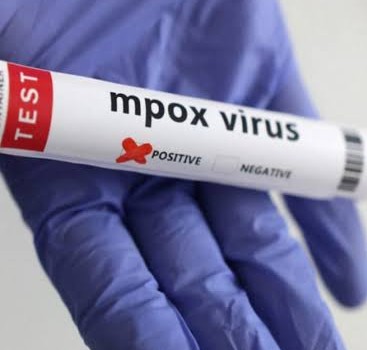
Four more Mpox cases have surfaced in other parts of the country, and the Department of Health is urging the public to watch for symptoms.
The national department confirmed two cases in the Free State and two in the Eastern Cape.
There is now a total of 26 cases since the start of this year, with most of the patients in the Western Cape, where 18 cases have been confirmed.
“Twenty-five of the 26 cases are male, with ages ranging from 23 to 50 years and a median age of 37 years. Clade and lineage information is currently available for 17 cases, of which 13 are associated with the Clade Ib mpox virus and four with Clade IIb,” said the department.
This is the latest news on the matter, since the National Health Department last noted an increase in Mpox cases to 22 confirmed cases nearly a month ago, on 22 September.
At that time, the department’s Foster Mohale noted that a previous probable case has been added to the tally, after laboratory results confirmed the case of a 47-year-old man from Cape Town who returned from Spain earlier this month.
“This individual was previously classified as a probable case pending laboratory results from Spanish health authorities. Following confirmation of a positive test, the case has been reclassified as laboratory-confirmed and included in the updated count,” said Mohale.
He added that the other three cases include “two imported infections involving a German and a Norwegian citizen”.
While majority of the cases, including the imported ones, are in the Western Cape, there are three cases in Gauteng and one in KwaZulu-Natal remain unchanged.
READ MORE: Uptick in Mpox cases, majority recorded in Cape Town – Smile 90.4FM
Mohale further noted that the National Institute for Communicable Diseases and the World Health Organisation are among those working with the Western Cape Health and Wellness Department to address the situation and its response, particularly with “contact tracing and enhanced surveillance”.
At the same time, Mohale has reminded the public that early detection and cooperation are necessary to prevent further spread.
“While most cases remain concentrated in the Western Cape, the identification of transmission clusters and cases across multiple provinces highlights the need for sustained public cooperation, early detection, and continued surveillance to prevent further spread,” said Mohale.
Mohale reiterated that anyone who has been in contact with a confirmed case within the past 21 days and develops symptoms, should immediately seek medical attention.
Symptoms include:
- fever,
- headache,
- muscle aches,
- back pain,
- fatigue,
- a rash/skin lesions on the face, hands, feet, genitals, or other areas of the body.
The department said it will continue to monitor the situation.
*This article has been updated to include the latest developments with Mpox cases in the country.


