


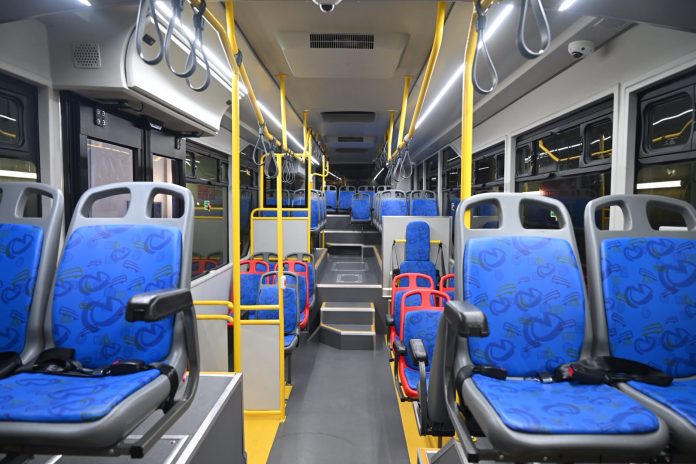
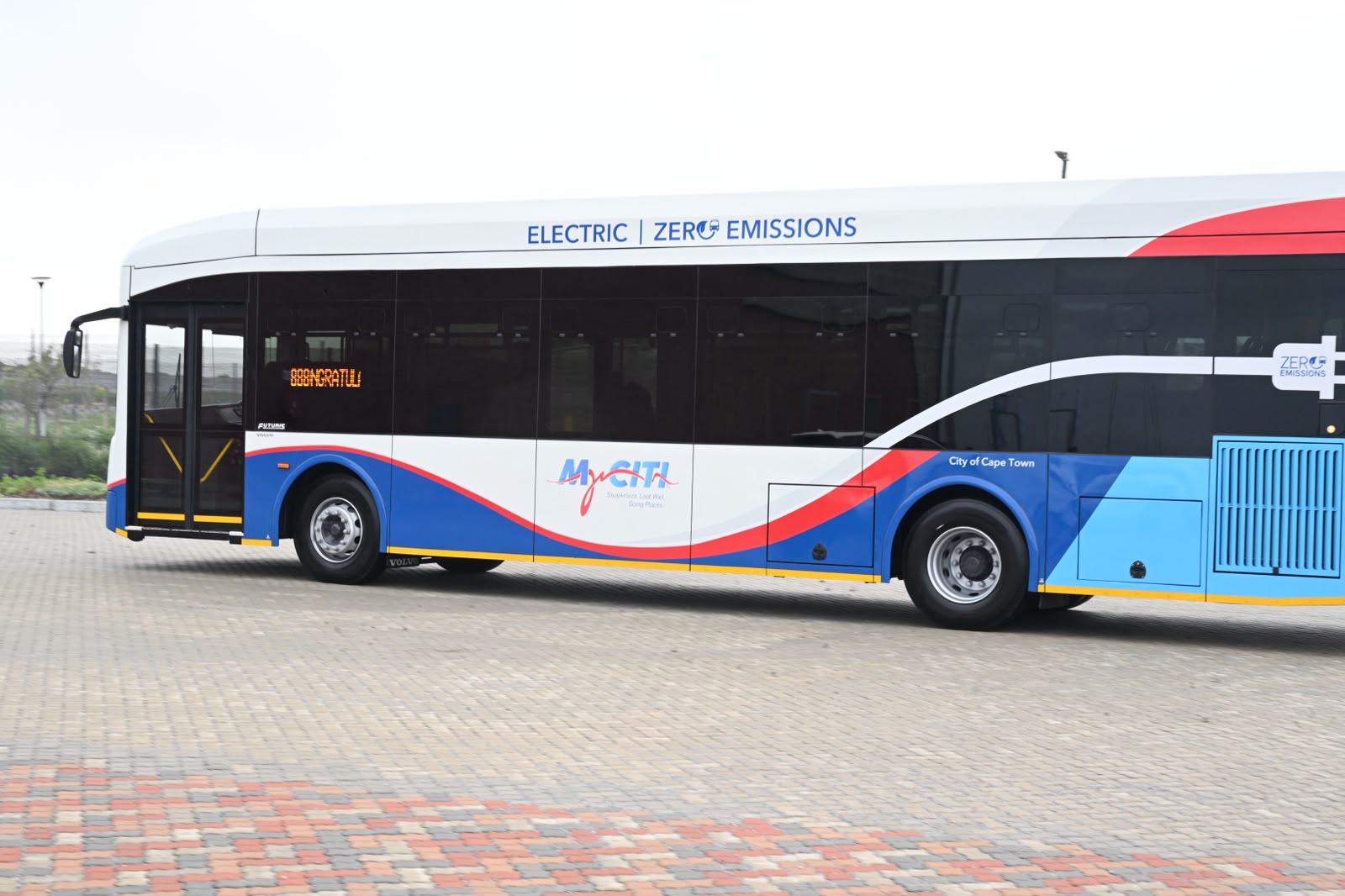
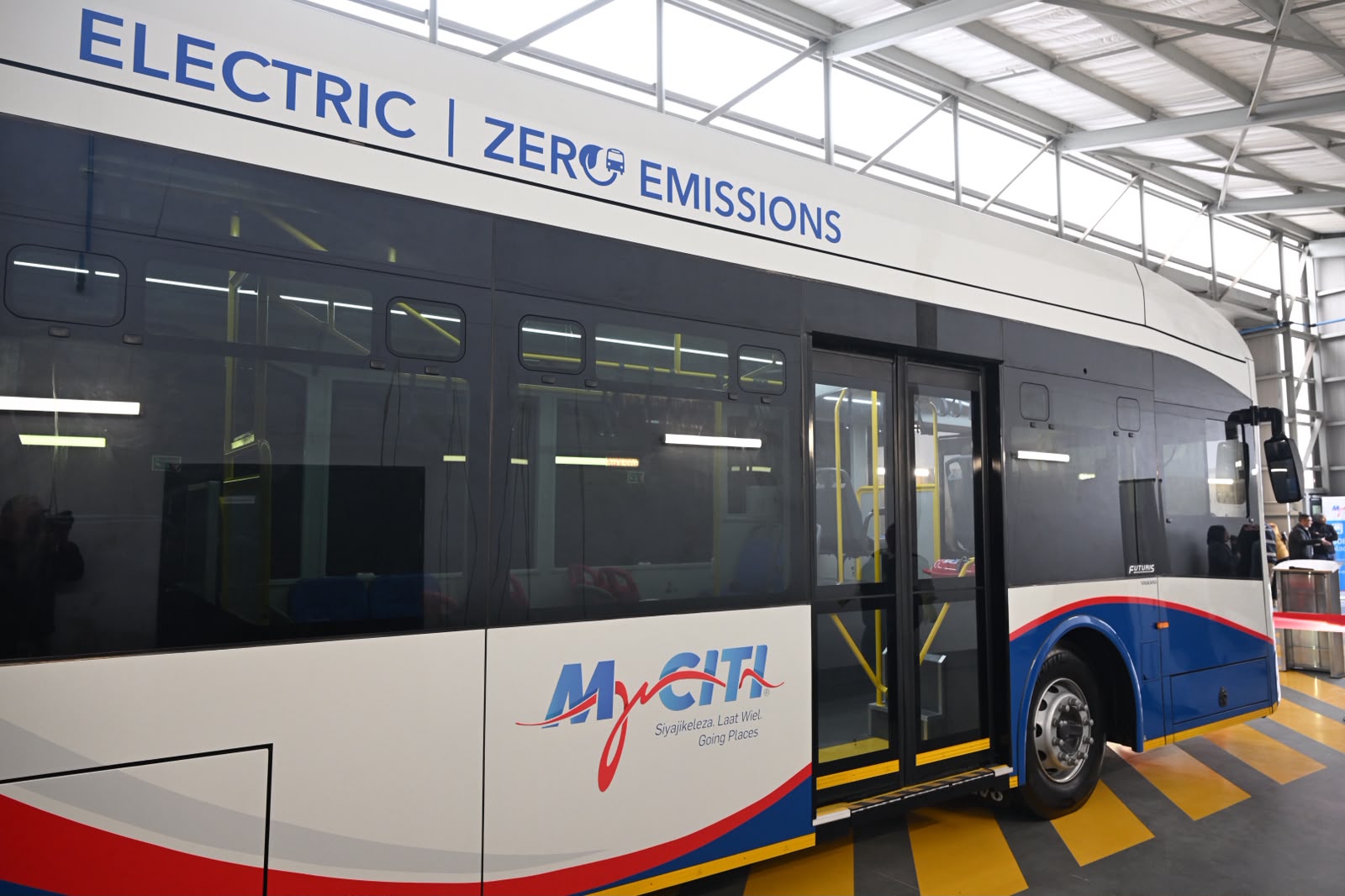
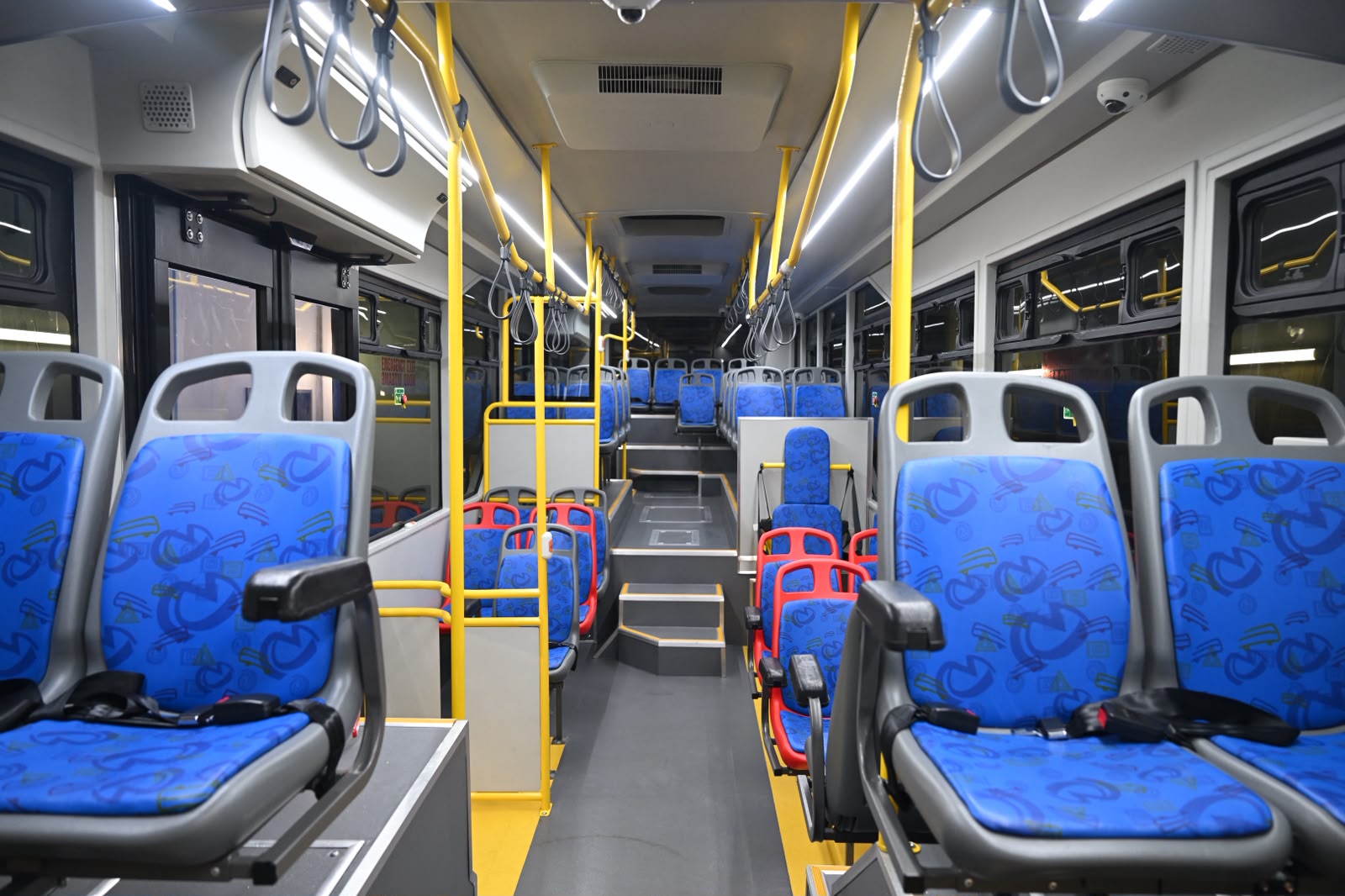
Cape Town Mayor Geordin Hill-Lewis has officially welcomed the arrival of ‘Evie’, the City’s first fully electric MyCiTi bus, after she passed rigorous performance testing on several routes.
‘Evie’ is one of an initial order of 38 battery-electric buses as part of Cape Town’s broader plans for the MyCiTi service, especially amidst diesel price fluctuations.
MyCiTi fare hikes came into effect on 1 July 2026, due to fuel price increases.
ALSO READ: Fuel prices and funding cuts force MyCiTi fare hike
The electric bus fleet will be deployed along the major new Cape Flats route expansion, set to benefit over 1,4 million residents across 30 neighbourhoods, from Mitchells Plain and Khayelitsha to Wynberg and Claremont.
Hill-Lewis says he took a spin on ‘Evie’ on Thursday morning to see her performance for himself, announcing that the City has now given the go-ahead for the rest of the order to be manufactured, with the first batch of these 12-metre Volvo BZRLE battery-electric buses expected to arrive before the end of the year.
The final delivery is expected to take place by the end of March 2027.
‘The key benefit of electric buses is affordability for customers. These electric buses will make our fleet less susceptible to diesel price changes, which means more stable and affordable fares for commuters. These are the first electric buses with locally manufactured bodies, and will be fully assembled in South Africa. In this way, we are glad to support jobs, and economic growth.’
The bus was tested on a variety of routes to determine its performance on steep inclines and downhill, in the city environment with many stop-and-go situations, in heavy traffic during peak periods, and when travelling longer distances.
The MMC for Urban Mobility Rob Quintas says Evie passed with flying colours.
‘I’ve been told that she reached perfect speeds on Hospital Bend that is known for its steep incline, and performed equally well on the N2 highway, in Camps Bay with many stop-goes at traffic signals, and along other routes such as Polkadraai Road and Jip de Jager Drive. Now, the rest of the 37 e-buses will go into production and be manufactured in accordance with this bus.’
Quintas says all other buses will also be tested on arrival, while bus drivers will have to be trained as well.
The City says the acquisition of more battery-electric buses remains a strategic priority, but will depend on the availability of future funding from the National Government.
In May, the Mayor wrote to the National Government to provide urgent funding certainty, amid reports that the Public Transport Network Grant (PTNG) would be phased out.
The Metro says MyCiTi ridership has grown by 68% since 2021 to 23 million passenger trips annually, and is set to reach 30 million once the Cape Flats extension begins operating.