13.1 C
Cape Town
Sunday, July 12, 2026
Home Blog Page 223

Local study finds hormone-disrupting chemicals in sanitary pads – what consumers should know

pads


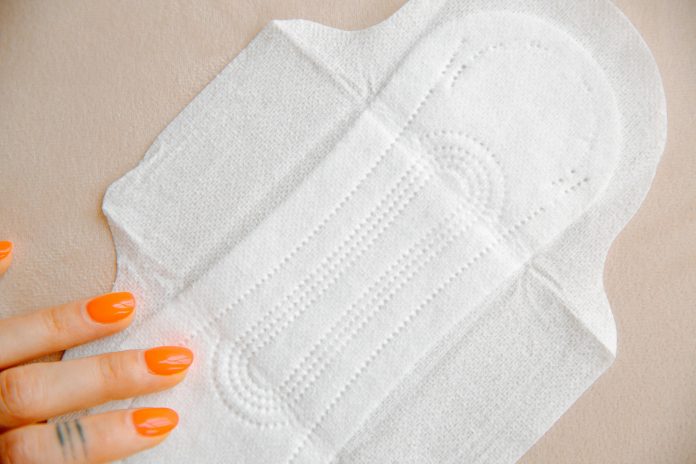
A new study by the University of the Free State has found that commonly used sanitary pads and panty liners may expose users to low levels of hormone-disrupting chemicals, raising fresh questions about menstrual product safety and long-term health risks.


The research, published in the journal Science of the Total Environment, is the first comprehensive analysis of endocrine-disrupting chemicals (EDCs) in locally sold menstrual products.


What the study found


Researchers tested 16 sanitary pad brands and seven panty liner products available in South Africa, analysing them for three groups of chemicals often used in plastics and personal care products:


  • Phthalates
  • Bisphenols (including BPA)
  • Parabens


All products tested contained at least two of the targeted chemicals.


According to the study:


  • Chemical detection ranged from 50% to 100% across products
  • Bisphenols were found in every sanitary pad tested
  • Phthalates were more common in panty liners
  • Parabens were detected in most products


Researchers estimated that daily exposure through skin contact could range between 2 and 20 nanograms per kilogram of body weight per day under normal absorption conditions, and higher under worst-case scenarios.


Why scientists are concerned


Endocrine-disrupting chemicals can mimic or interfere with hormones in the body. Previous international research has linked prolonged exposure to potential health effects, including:


  • Hormonal imbalance
  • Fertility problems
  • Early puberty onset
  • Endometriosis
  • Certain cancers


The study notes that menstrual products may represent an overlooked exposure source because they are used repeatedly over decades and come into contact with sensitive tissue that can absorb chemicals more readily than normal skin.


Although the exposure levels measured were relatively low, researchers warned that long-term cumulative exposure could pose risks.


How do these chemicals end up in pads?


Sanitary pads are made from multiple layers of synthetic materials, adhesives and absorbent plastics. The chemicals identified are commonly used to:


  • Increase the flexibility and durability of plastics
  • Act as preservatives or stabilisers
  • Improve texture or manufacturing performance


Scientists say these compounds are not permanently bound to materials and can migrate into surrounding layers, and potentially onto skin during use.


Are sanitary pads unsafe?


Importantly, the researchers did not conclude that menstrual products are immediately dangerous.


Instead, they emphasised that exposure levels appear small but warrant further investigation, particularly because users may already encounter the same chemicals through cosmetics, packaging and other everyday products.


The study highlights a lack of regulation and transparency around chemical ingredients in menstrual products in many countries, including South Africa.


What consumers should know


Health experts say the findings should encourage awareness rather than panic.


Key takeaways for consumers include:


  • Current evidence does not suggest an immediate health emergency
  • Exposure appears to be low, but repeated long-term contact is the main concern
  • People sensitive to chemicals may consider alternative menstrual products such as organic cotton pads, menstrual cups or reusable products
  • Ingredient disclosure and stronger product testing may become future regulatory priorities


A gap in local research


Researchers say the study fills a major knowledge gap, as most previous investigations were conducted in Europe, Asia and North America.


With sanitary pads remaining the most widely used menstrual hygiene product in South Africa, scientists argue that more local testing, including independent verification of “chemical-free” marketing claims, is needed.


They also call for further research into how much of these chemicals is actually absorbed by the body and what long-term exposure may mean for women’s health.
R2.6 Million Worth of Illegal Abalone Seized in Gqeberha


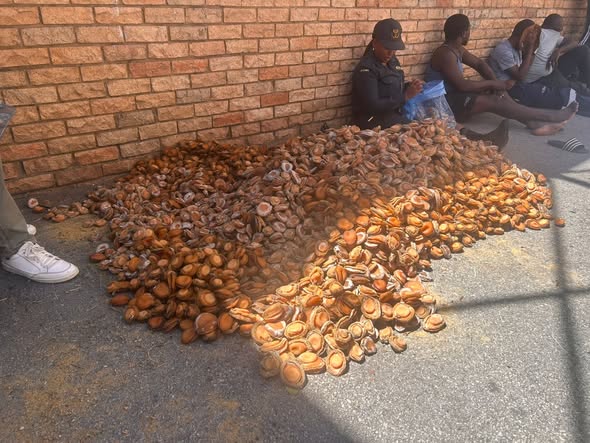
The South African Police Service (SAPS) says the arrest of three suspects in Gqeberha and the seizure of R2.6 million worth of dried abalone has dealt a serious blow to criminal networks threatening South Africa’s marine resources.


The operation, carried out earlier today, led to the confiscation of 1,170 units of dried abalone believed to be destined for the illegal market.


Police spokesperson Sandra Janse Van Rensburg, says SAPS Mount Road VISPOL members were conducting patrols in the Deal Party area, including the parking area at New Brighton Beach, which has previously been identified as problematic due to incidents of diesel theft from horse-and-trailer trucks.


“Members noticed a large liquor transport truck parked nearby. Upon further observation, they identified a one-ton Tata LDV vehicle where three suspects were busy loading 17 black plastic bags onto the truck. Members immediately conducted an inspection and discovered that all the bags were filled with dried abalone.”


The suspects are expected to appear in the Gqeberha Magistrate’s Court soon.


SAPS says the illegal abalone trade not only damages the environment but also threatens livelihoods and food security in coastal communities.


Police are urging residents to report suspicious activity linked to the harvesting and transport of marine resources, stressing that continued community cooperation is key to dismantling organised crime syndicates.


WCED: 1683 Grades R,1 and 8 learner placements still underway

school - wced - six
Western Cape Education MEC, David Maynier at Timour Primary School in Plumstead. IMAGE: Supplied


The Western Cape Education Department (WCED) says it has made significant inroads in reducing the number of learners on placement lists for the 2026 academic year.


The department says this is despite receiving an alarming number of extremely late school applications since the start of the year.


According to the department’s director of communications, Bronagh Hammond, the department has received over 26,000 extremely late applications in Grade R. 1 and 8 alone since 1 January.


Additionally, over 2500 applications were received between 2 February and 11 February 2026.


“This is nearly a year AFTER the application period first opened!” added Hammond


Hammond says, despite the volume of extremely late and new applications, the department has placed over 26,000 learners since the beginning of the year.


This has reduced the number of in progress of placement to 272 Grade 1s, 322 Grade 8s and 1,089 Grade Rs, as of 11 February.


This brings the total number of placements in progress for Grades R, 1 and 8 to 1,683.


The WCED says these numbers have already been reduced in the past 6 days, with updated figures being verified.


READ MORE: Manenberg CPF debunks school relocation rumours

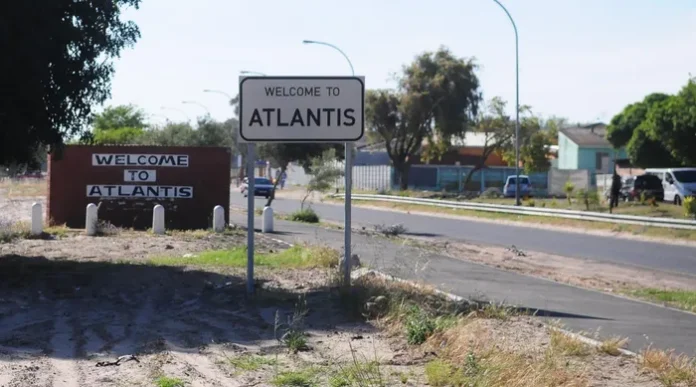
Child Fatality Sparks Safety Concerns in Atlantis

Atlantis


A tragic accident in Atlantis has left a five-year-old girl dead, with a 34-year-old man arrested and facing charges of culpable homicide.


According to police spokesperson FC Van Wyk, the incident occurred this morning on Hermus Lane. The young girl sustained fatal injuries following the accident.


“Circumstances surrounding this accident are under investigation. A 34-year-old male was arrested and will appear in court once charged.”


Public relations officer for the Atlantis Community Police Forum (CPF) Noel Cloete says the minor was supervised by her mother when the incident occurred.


Cloete expressed deep concern over the safety of children in the area, noting that the community is frustrated by the absence of speed humps on the road outside the school.


“The child was supervised by her mother, she was not walking around by herself. The community is upset because there is no speed humps in that road in front of the school where the accident took place.”


We all know that one person who claims they almost went pro

We all know at least one person who claims they almost went pro and would have been at the world cup for the Springboks or Proteas. If it wasn’t for that dreaded ankle injury, or family, or finances, or any other excuse they have after 1 or 2 drinks…

error: Content is protected !!