


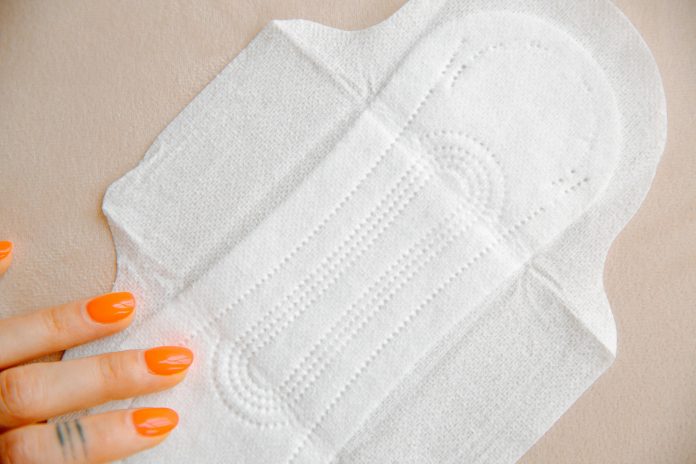
A new study by the University of the Free State has found that commonly used sanitary pads and panty liners may expose users to low levels of hormone-disrupting chemicals, raising fresh questions about menstrual product safety and long-term health risks.
The research, published in the journal Science of the Total Environment, is the first comprehensive analysis of endocrine-disrupting chemicals (EDCs) in locally sold menstrual products.
What the study found
Researchers tested 16 sanitary pad brands and seven panty liner products available in South Africa, analysing them for three groups of chemicals often used in plastics and personal care products:
- Phthalates
- Bisphenols (including BPA)
- Parabens
All products tested contained at least two of the targeted chemicals.
According to the study:
- Chemical detection ranged from 50% to 100% across products
- Bisphenols were found in every sanitary pad tested
- Phthalates were more common in panty liners
- Parabens were detected in most products
Researchers estimated that daily exposure through skin contact could range between 2 and 20 nanograms per kilogram of body weight per day under normal absorption conditions, and higher under worst-case scenarios.
Why scientists are concerned
Endocrine-disrupting chemicals can mimic or interfere with hormones in the body. Previous international research has linked prolonged exposure to potential health effects, including:
- Hormonal imbalance
- Fertility problems
- Early puberty onset
- Endometriosis
- Certain cancers
The study notes that menstrual products may represent an overlooked exposure source because they are used repeatedly over decades and come into contact with sensitive tissue that can absorb chemicals more readily than normal skin.
Although the exposure levels measured were relatively low, researchers warned that long-term cumulative exposure could pose risks.
How do these chemicals end up in pads?
Sanitary pads are made from multiple layers of synthetic materials, adhesives and absorbent plastics. The chemicals identified are commonly used to:
- Increase the flexibility and durability of plastics
- Act as preservatives or stabilisers
- Improve texture or manufacturing performance
Scientists say these compounds are not permanently bound to materials and can migrate into surrounding layers, and potentially onto skin during use.
Are sanitary pads unsafe?
Importantly, the researchers did not conclude that menstrual products are immediately dangerous.
Instead, they emphasised that exposure levels appear small but warrant further investigation, particularly because users may already encounter the same chemicals through cosmetics, packaging and other everyday products.
The study highlights a lack of regulation and transparency around chemical ingredients in menstrual products in many countries, including South Africa.
What consumers should know
Health experts say the findings should encourage awareness rather than panic.
Key takeaways for consumers include:
- Current evidence does not suggest an immediate health emergency
- Exposure appears to be low, but repeated long-term contact is the main concern
- People sensitive to chemicals may consider alternative menstrual products such as organic cotton pads, menstrual cups or reusable products
- Ingredient disclosure and stronger product testing may become future regulatory priorities
A gap in local research
Researchers say the study fills a major knowledge gap, as most previous investigations were conducted in Europe, Asia and North America.
With sanitary pads remaining the most widely used menstrual hygiene product in South Africa, scientists argue that more local testing, including independent verification of “chemical-free” marketing claims, is needed.
They also call for further research into how much of these chemicals is actually absorbed by the body and what long-term exposure may mean for women’s health.