13.7 C
Cape Town
Monday, June 29, 2026
Home Blog Page 17

Police come under fire during fatal Manenberg mass shooting

manenberg


Western Cape police have launched a manhunt for gunmen following a shooting incident on Wednesday evening in Manenberg that left one person dead and several injured, including a police official.


A 22-year-old man was shot and killed, and four men, aged 24, 35, 36 and 48, as well as a woman, aged 56, were injured.


Police who were already deployed in the area responded to gunshots but also came under fire. One officer sustained injuries. The injured victims were transported to nearby hospitals for medical treatment.

The chaos ensued after a silver grey car drove down Rio Grande Walk, abruptly stopped and started firing random shots at people standing in front of the premises.

Police officers patrolling the area responded to the sound of the gunshots, and upon their arrival on the scene, the suspects fired several shots at them.


A 42-year-old SAPS officer was injured by shrapnel to his head. The suspects fled the scene and have yet to be arrested.


Manenberg police registered a murder and six counts of attempted murder for investigation. The incident is believed to be gang-related.


Operational forces have been deployed in the area to stabilise the situation and to ensure increased police visibility within the affected community.


Young stem cell donors urgently needed

stem cell
The South African Bone Marrow Registry (SABMR) is calling on young people specifically between the ages of 16 and 35 who are relatively healthy to consider signing up as a stem cell donor this Youth Month.


The South African Bone Marrow Registry (SABMR) has expressed concern over its ageing database of stem cell donors, which could pose a serious challenge for future patients in need of life-saving transplants.


The Registry reports that nearly half of active stem cell donors (46.3%) are currently over the age of 46, while only 4.2% fall within the critical 16-25 age category.


The Deputy Director for the SABMR, Jane Ward, explains that transplant centres prefer younger donors as younger stem cells generally lead to better transplant outcomes for patients.


“Stem cells, just like other organs age over time. If we do not significantly increase recruitment among younger South Africans now, we risk creating a future shortage of suitable donors when patients need them the most.”


Ward warns that this challenge of an ageing donor database can have far-reaching consequences beyond South Africa’s borders.


Over the next decade, thousands of donors are expected to age out of the system, potentially leaving a critical gap in donor availability for patients battling blood cancers and other life-threatening blood disorders.


While the registry currently has more than 78 000 active donors, there is therefore an urgent need for younger recruits to replenish the database and prevent stagnation in the years ahead.

“To address the issue, we are implementing a long-term strategy focused on dramatically increasing recruitment among South African youth. We also aim to diversify the registry database as it currently does not reflect the demographic make-up of the country’s population. We’ve set a target to recruit a minimum of 4000 eligible new donors annually over the next five to ten years, with more resources we’d be able to exceed this.”


Donor Recruitment supervisor Gaelan Naidoo says a big emphasis is being placed on recruiting quality donors and not just quantity.


“Recruitment trends indicate that only 59% of donors who register end up being eligible, meaning they do not have any medical conditions that may exclude them from being able to donate in the future. We also need to ensure that donors are committed, contactable and traceable should we need to get hold of them.”


He says teams are actively ramping up sign-up efforts at high schools and university campuses across the country.


Donor recruitment is, however, a huge expense for the organisation. It can cost up to R850 for a swab kit and testing to recruit a single donor.


“While signing up as a donor is completely free, the SABMR covers the cost of the kit and testing. We would like to appeal to corporates and the public for financial support to help us reach our goal. As an NPO the SABMR is not funded by government and relies on fundraising, corporates and the public for donations.”


In addition, the SABMR is now moving away from purely educational messaging towards regular storytelling and digital-first engagement aimed at younger audiences on its platforms.


“The age group we are targeting are digitally led and are very active on social media. By sharing stories of hope and testimonials from donors, we aim to personalise the reality that many patients only have a 1 in 100 000 chance of finding a matching donor. Behind every statistic is a real person awaiting a second chance at life. We need a new generation of donors to step forward not someday, but now.”


The Registry is calling on young people, specifically between the ages of 16 and 35, who are relatively healthy, to consider signing up as a donor this Youth Month.


For more information and to sign up, visit SABMR.co.za 


Financial donations can also be made via the website.


Accused in drug trafficking case, killed in Kensington, after turning state witness

accused in drug trafficking case
Raed Cupido (ledand Christopher Carelse in court. IMAGE: eNCA


An accused in a multi-million Rand drug trafficking case in Cape Town, has reportedly been shot and killed just weeks after turning state witness.  


Western Cape police spokesperson FC Van Wyk said Kensington police responded to a shooting at a property in 1ste Street at about 15:50 on Wednesday.  


A 37-year-old man was gunned down outside his home.  


“According to reports the victim was outside the mentioned address, when a gold in colour vehicle drove pass. The same vehicle later returned to the mentioned address, and two unidentified males alighted the vehicle positively armed with firearms. The victim ran into the premises and the suspects followed him, while shooting at him. He was shot multiple times and was later declared deceased on the scene by medical personnel,” said Van Wyk.  


Media houses later identified the victim as Christopher Carelse, who was previously implicated in a drug trafficking case involving former bank manager Raed Cupido.  


Cupido and Caresle were arrested in June and July last year, respectively, after police uncovered cocaine with an estimated street value of R18 million at a storage facility in Roeland Street in the Cape Town CBD. 


It is understood that Carelse had recently agreed to cooperate with authorities and was released about two weeks ago, before he was killed.  


This operation on 10 June 2025, was led by the Anti-Gang Unit Crime Intelligence and Provincial Organised Crime Detectives, who discovered the drugs, and firearms such as AK-47 rifle, an Uzi, five 9mm pistols and ammunition in the storage facility.  The matter is said to be linked to an internation drug cartel. 


Cupido is still on trial at the Cape Town Regional Court for this.


READ MORE:  Cocaine worth an estimated R18 million seized in Cape Town CBD


Meanwhile, police are trying to establish the motive for Wednesday’s fatal shooting. No arrests have been confirmed yet in connection with Carelse’s murder. Police have appealed to anyone with information to come forward. 

Ramaphosa: Migration Not the Cause of South Africa’s Problems

ramaphosa


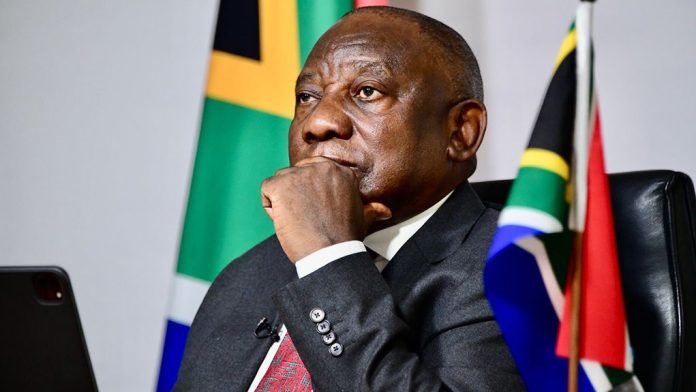
President Cyril Ramaphosa has called on faith-based organisations to play a central role in calming rising tensions over migration and strengthening South Africa’s National Dialogue process.


Addressing religious leaders at a special meeting at the Union Buildings on Wednesday, President Ramaphosa said South Africa is facing real and pressing concerns about migration and illegal immigration. He cautioned against blaming foreign nationals for the country’s broader economic and social challenges.


The President warned that frustration over economic hardship must not be allowed to fuel xenophobia or social division.


“These concerns are real. They need to be heard and to be addressed. These concerns arise in conditions of persistently high unemployment, poverty and hardship. They arise in communities that are plagued by crime, violence and corruption and where there is increasing pressure on public services,” the President said.


The President emphasised that illegal immigration was not the cause of the country’s structural problems.


To tackle the challenges faced by the country, the President said there is a need for faster and more inclusive growth, investment and the creation of jobs.


“We need to strengthen our efforts to tackle poverty and hunger,” he said.


The meeting brought together Ministers and faith leaders from across the country, with President Ramaphosa framing religious institutions as key moral anchors in a society under strain.


“The faith community in our country has always been more than a place of worship. It has provided moral guidance and spiritual sustenance.”


President Ramaphosa’s remarks come days after he outlined a Comprehensive Approach to Migration Management, which includes stricter enforcement of immigration and labour laws, tighter border controls, anti-corruption measures in the immigration system, legal reforms, and increased cooperation with Southern African Development Community (SADC) and African Union partners.


He emphasised that while South Africa must enforce its laws and ensure that “every person within our borders must be here lawfully,” this must be done in a manner consistent with constitutional values and human dignity.


“I said that responsibility for enforcing our laws rests with the state, and that no individual may stop another to demand documentation or proof of nationality. I said that no matter how frustrated people may be, there is no place for racism, sexism, xenophobia, Afrophobia or any other form of intolerance.”


President Ramaphosa urged faith leaders to help prevent community anger from turning into violence or discrimination.


“When fear and anger rise, it is so often the voice of the pulpit, the mosque, the temple and the synagogue that can call our people back to compassion,” he said.


National Dialogue


Beyond migration, the President also used the platform to advance the upcoming National Dialogue initiative, describing it as a “people-led process” designed to unite South Africans in defining a shared vision for the country’s future.


He said the process would begin at local level before moving to national gatherings and stressed that its credibility depended on broad participation and inclusion.


“It must be a place where every voice is heard and real solutions are found. Faith communities are vital to this endeavour, for you reach into every village, township and suburb,” he said.


The President invited religious leaders to become “partners, participants and guarantors” of the process, saying they would play a key role in helping to heal national divisions.


He concluded by urging collective action to build a secure, lawful, compassionate and prosperous South Africa, saying the country’s challenges could only be resolved through unity.


“There are many challenges facing our nation. But we can address them together. Together, we can build a South Africa that is secure, lawful, compassionate and prosperous, one that upholds the dignity of every person and fulfils the promise of our democracy,” he said.


SANews.gov.za

Expired Food and Suspected Stolen Cables Seized in Johannesburg CBD Raid

Johannesburg raid


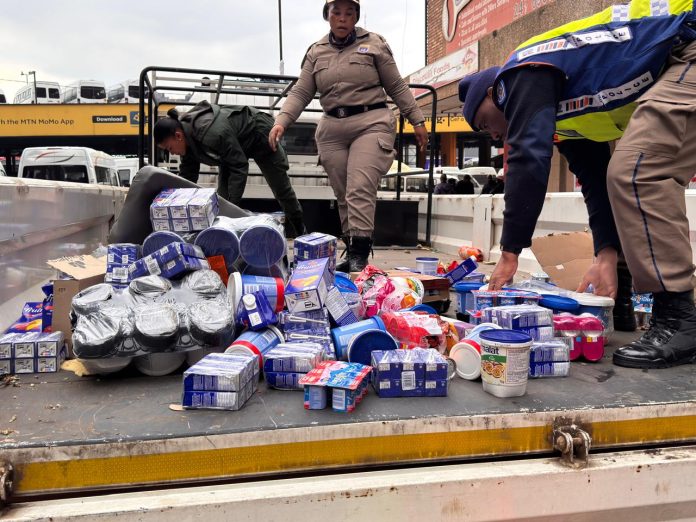
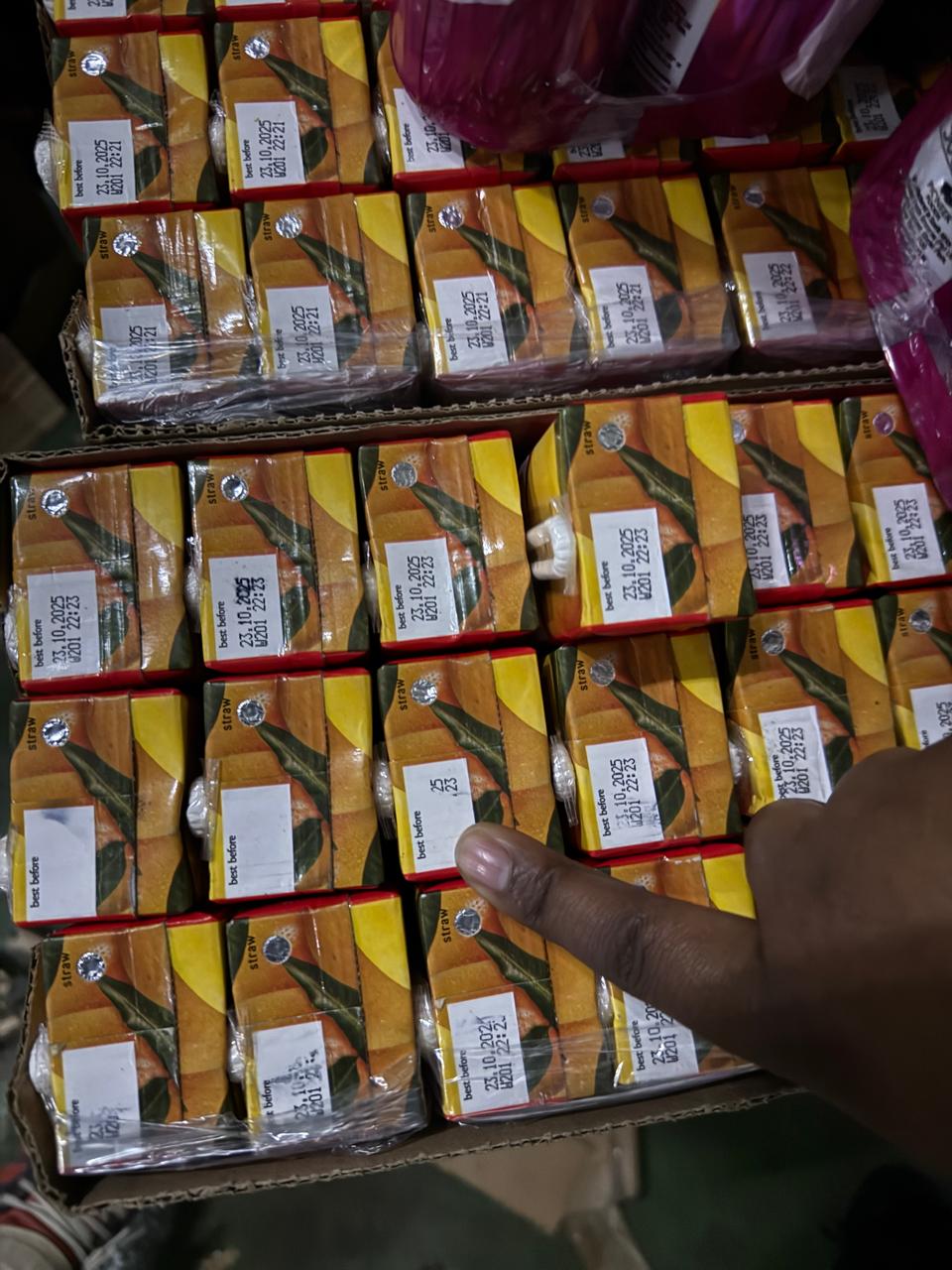
Johannesburg Metropolitan Police Department (JMPD) officers have uncovered an alleged operation involving the relabelling of expired food products and the storage of suspected stolen municipal infrastructure during a high-impact service delivery operation in the Johannesburg Central Business District (CBD).


The discovery was made while JMPD officers were conducting operations in the inner City and observed individuals selling goods from informal trolleys. When officers approached the vendors to check compliance with municipal bylaws and verify their immigration status, the suspects allegedly abandoned their goods and fled on foot.


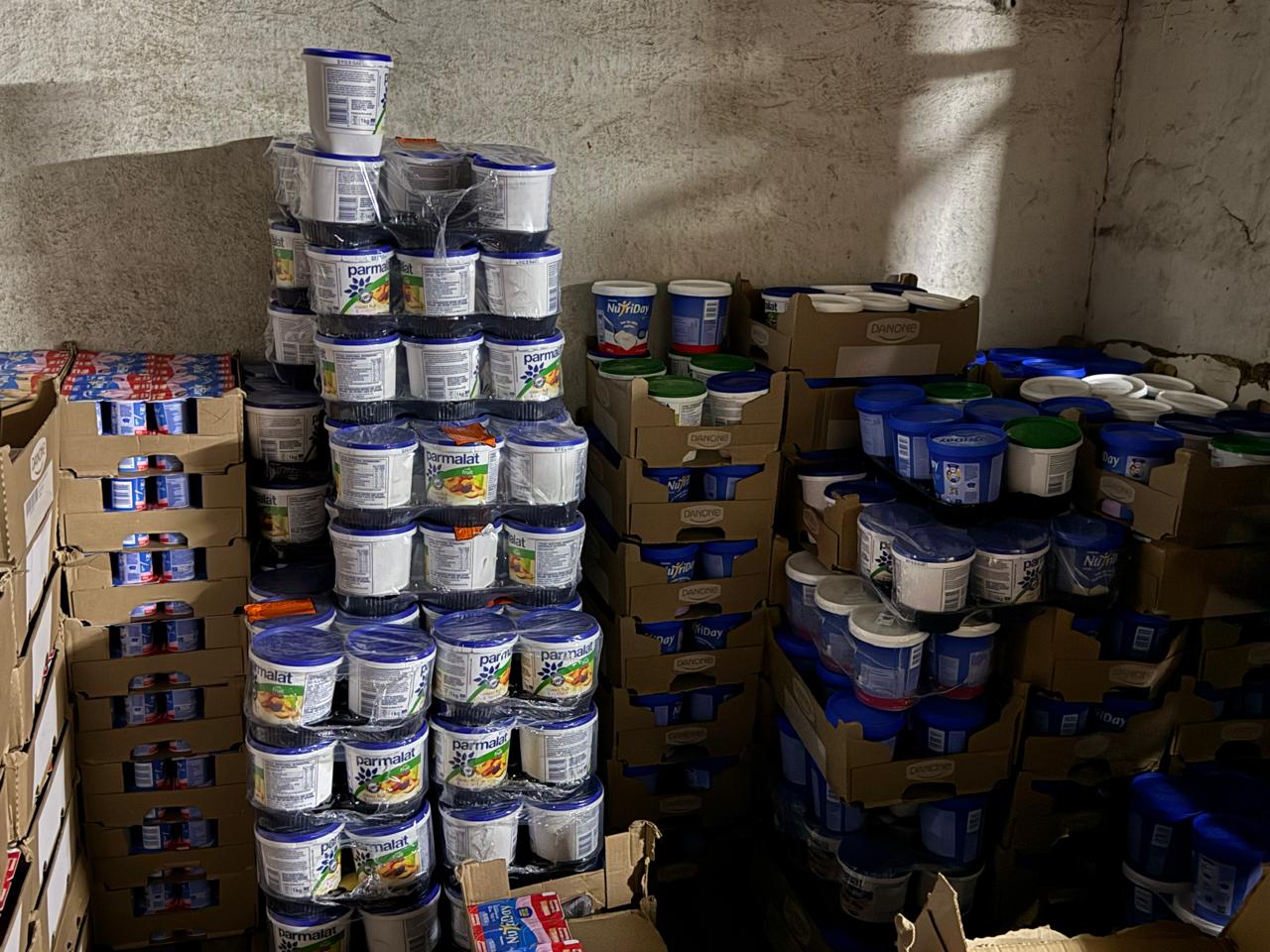
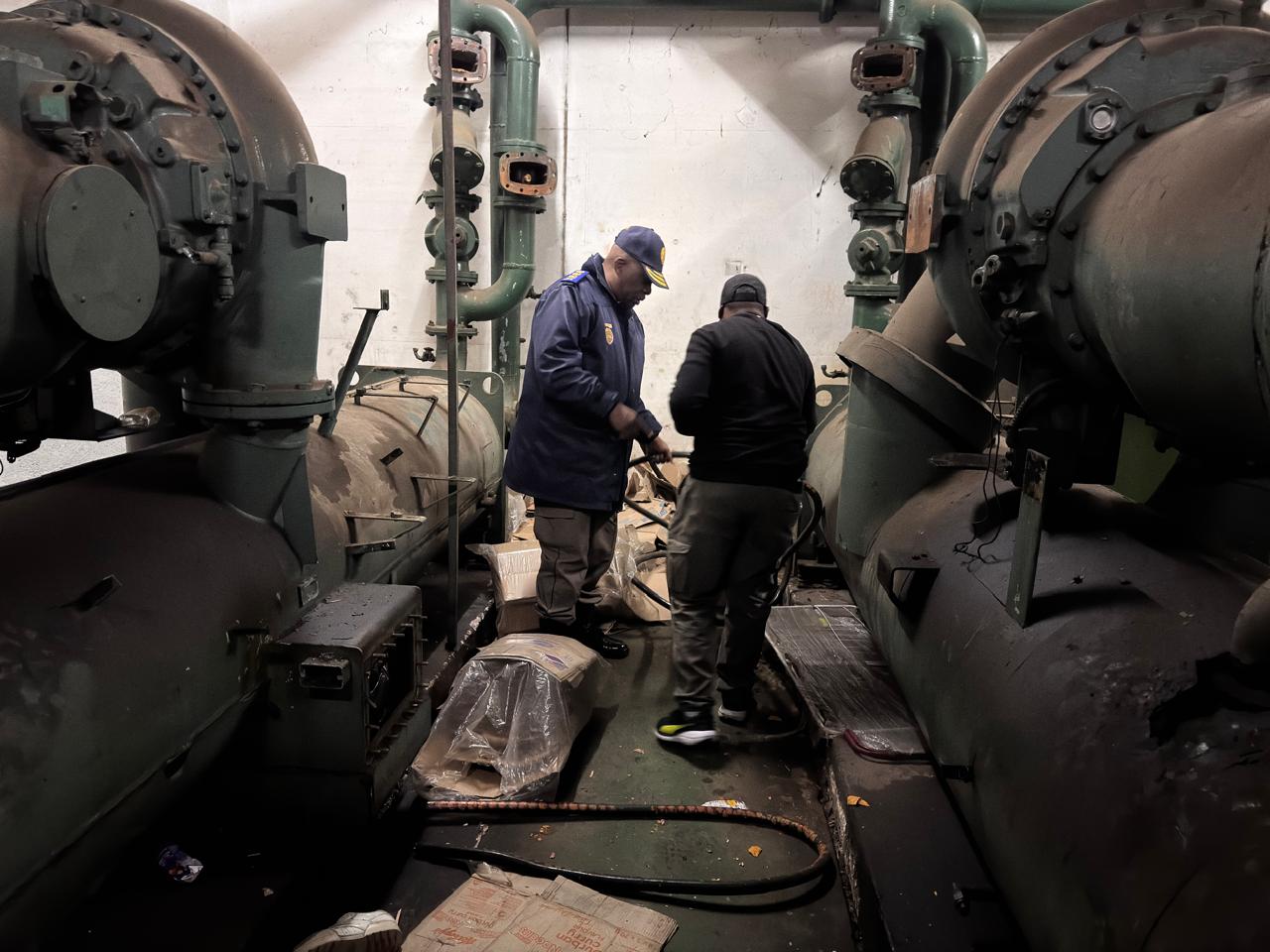
Police pursued the individuals to a building at the corner of Edith Cavell and Plein Streets, where a search of the premises revealed what authorities described as a large-scale counterfeit packaging operation.


Inside the building, officers found large quantities of expired perishable products, including juices and yoghurts. Preliminary investigations indicate that individuals on the premises were allegedly using chemical thinners to remove original expiry dates from product packaging before replacing them with fraudulent labels showing extended expiry dates.


Officers also discovered cut electrical cables believed to be stolen municipal infrastructure. Authorities say the seizure highlights the ongoing challenge of infrastructure theft, which continues to contribute to power disruptions and service delivery challenges across the City.


The expired food products and suspected stolen cables were confiscated, and an investigation is underway to identify and locate those responsible. No arrests had been made at the time of publication.


JMPD Chief of Police, Commissioner Patrick Jaca, visited the scene following the discovery and condemned the alleged activities.

“What we uncovered today is not just a violation of municipal bylaws, but a direct and dangerous assault on the health and safety of our residents,” said Jaca.


He said the alleged practice of altering expiry dates on food products demonstrated a disregard for consumer safety.

“Selling expired food by maliciously altering dates shows a complete disregard for human life. Furthermore, finding suspected stolen electrical cables on the same premises underscores how these illicit networks damage our city’s infrastructure.”

Jaca said the JMPD would intensify its high-impact operations and continue targeting criminal activity in the inner City.

“We are intensifying our high-impact operations, and we will not hesitate to clamp down on those who exploit our inner City for criminal gains.”

error: Content is protected !!