
12.1 C
Cape Town
Tuesday, June 30, 2026
Home Blog Page 40

Two alleged extortionists nabbed in Cape Town

Two alleged extortionists nabbed in Cape Town


Two alleged extortionists have been nabbed in Cape Town in separate incidents. Western Cape SAPS says the suspects were taken into custody in the early hours of this morning (Thursday) and late last night (Wednesday). The arrests were carried out in Browns Farm and Marikana informal settlement.
Two alleged extortionists nabbed in Cape Town

Two alleged extortionists nabbed in Cape Town


Constable Ndakhe Gwala says members of Operation Lockdown III had followed up on information they had received about an alleged extortionist who has an unlicensed shotgun in Browns Farm. She says officers at about 1 am this morning went to the suspect’s home on Kamela Street and found him there.
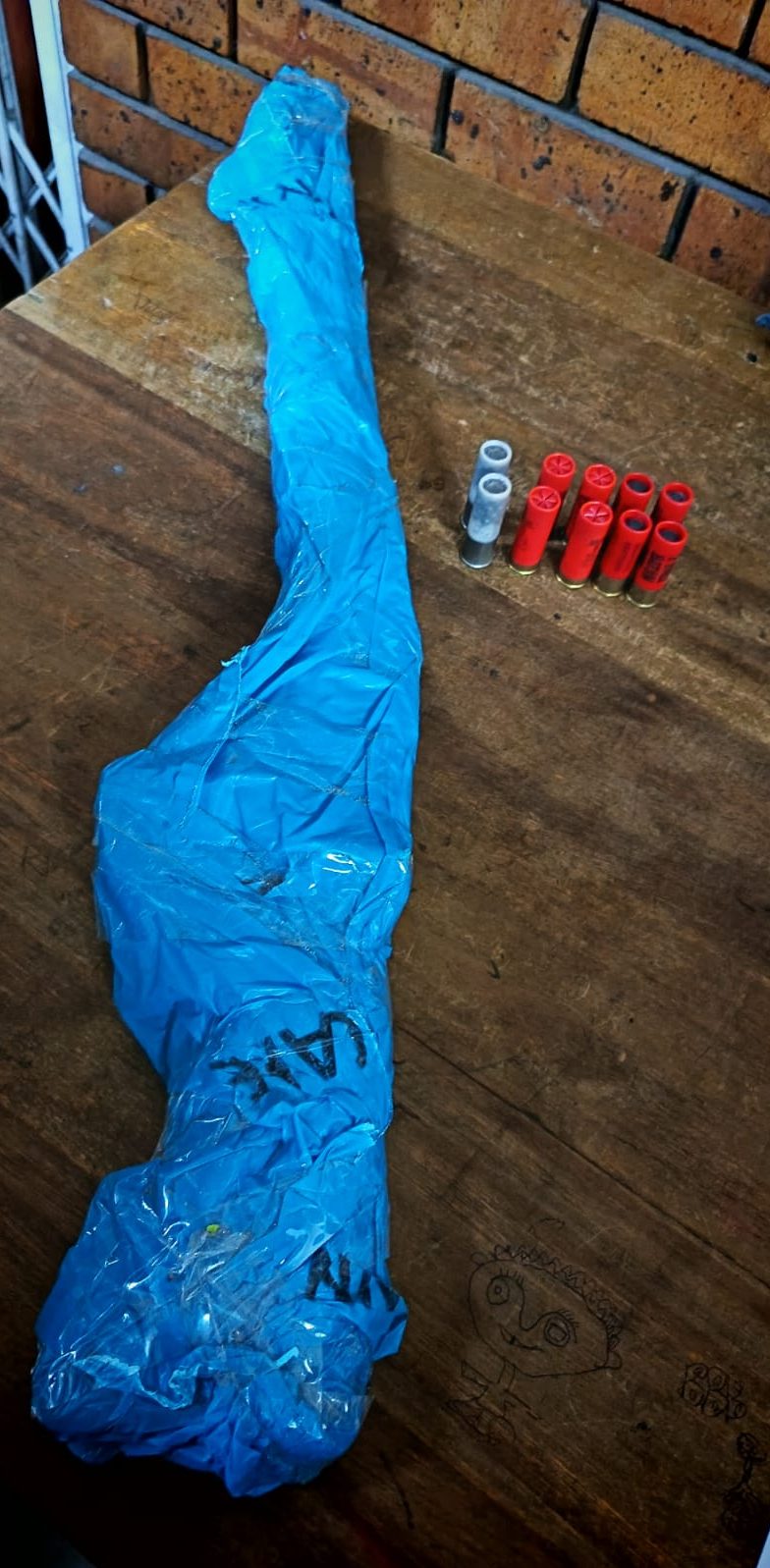
 

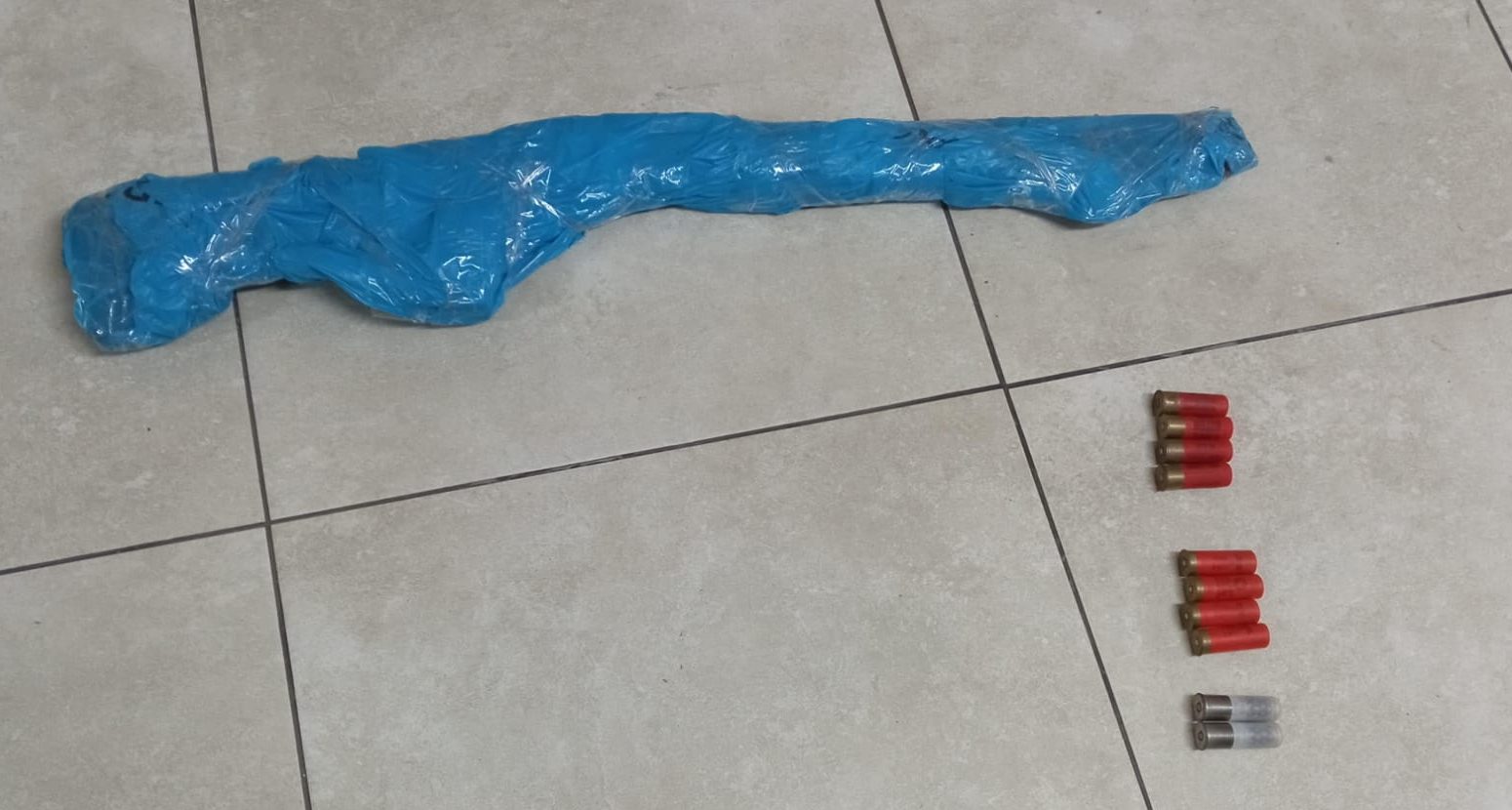
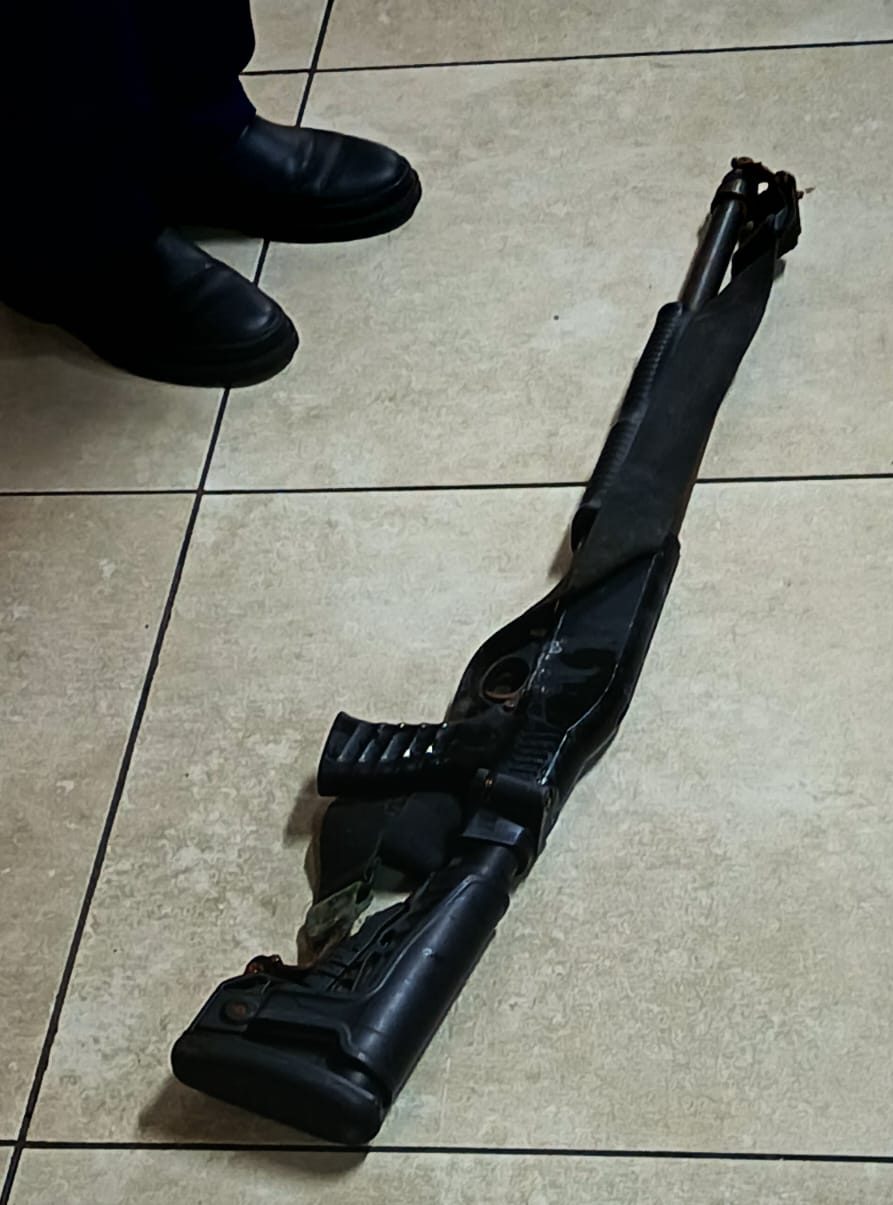
Two alleged extortionists nabbed in Cape TownGwala says that, while a search was being conducted, a shotgun was discovered under the suspect’s bed. It was wrapped in plastic. She says the 41-year-old man was arrested. He will face charges relating to the possession of an unlicensed firearm and ammunition. She added that he will appear in the Athlone Magistrate’s court.


Operation Lockdown III: Alleged extortionists


Just a few hours before, another alleged extortionist was taken away from his home in handcuffs. Gwala says a 35-year-old male suspect was identified by Crime Intelligence officers in connection with a case of extortion. She says he was arrested at his home in Marikana informal settlement on Wednesday, 03 June 2026.
Two alleged extortionists nabbed in Cape Town

Officers had descended on the scene about 23:00 and commenced with a search. Gwala says the search resulted in the recovery of a 9mm pistol and 9 rounds of ammunition. According to a Western Cape SAPS media statement, the suspect will appear at the Athlone Magistrate’s court once charged.


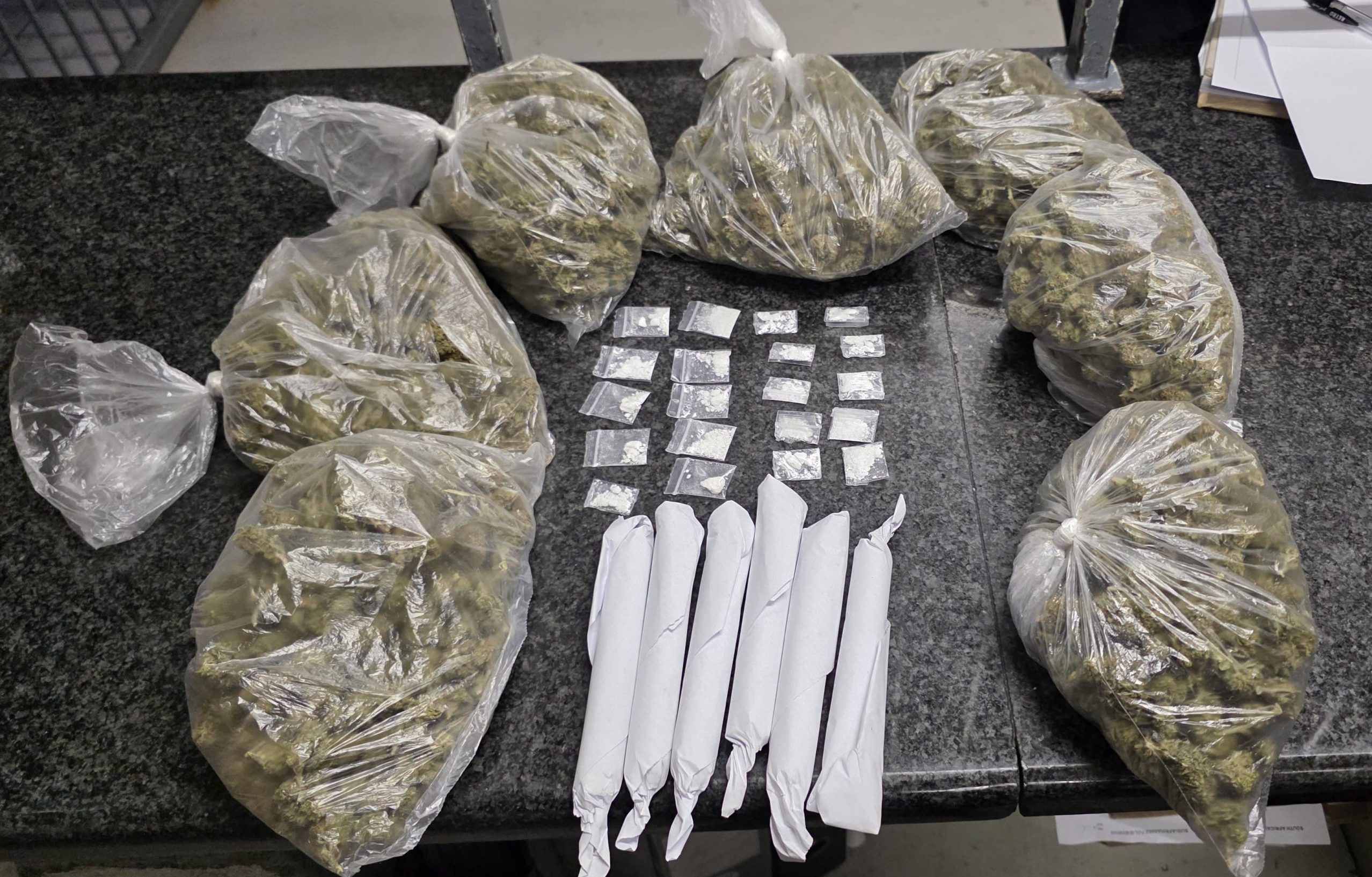
Drugs confiscated by the Police
 

Two alleged extortionists nabbed in Cape Town


There was also another arrest in Tafelsig last night (Wednesday, 03 June 2026). Gwala says members of the Public Order Police Unit had arrested a 35-year-old male suspect in connection with a charge of possession of drugs. The arrest was carried out in Tierkloof Street. She says the team was on patrol and received a tip-off about suspected drugs at a house in the neighbourhood. Gwala says they went to the mentioned address and, after a search, seized 20 sachets of cocaine, 7 plastic bags and 6 rolls of dagga. She says the suspect will appear later in the Mitchells Plain Magistrate’s Court. Gwala also added that the third incident is unrelated to the other two mentioned above.

World Cup Weekend — brought to you by Boston City Campus


Few events bring the world together quite like the FIFA World Cup. The anticipation before kick-off, the roar of the crowd, the unforgettable goals, and the songs that become the soundtrack to football history.


This weekend, Smile FM celebrates the music, memories and moments that have made the World Cup more than just a tournament. From iconic anthems that unite nations, to songs from around the world waving their flag – we’re reliving the magic that captures the world’s attention every four years.


Join us Saturday and Sunday, 6 & 7 June, from 9am, for World Cup Weekend — a celebration of football’s biggest stage and the music that helps make it unforgettable.


World Cup Weekend is brought to you by Boston City Campus — Serious About Education, Serious About You.


Only on Smile FM.

A local plant is opening new paths for cancer treatment research

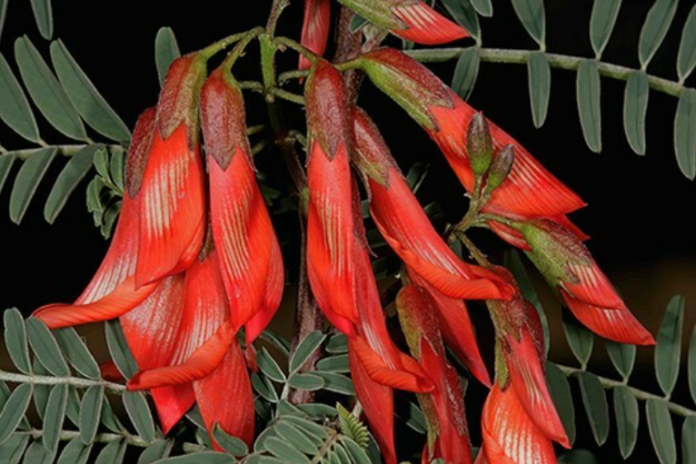
cancer bush


A plant that grows wild only in Southern Africa and has long been used in traditional medicine is opening new pathways for cancer treatment research in South Africa and around the world.


Researchers at North-West University are investigating the anti-cancer potential of Lessertia frutescens, commonly known as cancer bush, or kankerbos, after laboratory studies showed activity against several forms of cancer, including drug-resistant small cell lung cancer and colorectal cancer.


According to Prof. Chrisna Gouws, a research professor in the Centre of Excellence for Pharmaceutical Sciences in the Faculty of Health Sciences, the research team tested extracts from the indigenous plant on cultured human cancer cells and more advanced laboratory-grown “mini-tumours” known as spheroids.


It showed significant anticancer activity against several different cancer types.


Gouws says the findings became more important when the team observed activity in cancers that no longer respond to conventional treatment.


“What is very interesting and exciting is the apparent activity in drug-resistant cancers such as resistant small-cell lung cancer where known chemotherapies have limited to no activity.”


She says this provides researchers with new avenues to investigate treatment options for cancers currently considered incurable.


The research team said another factor attracting attention is the plant’s longstanding use in traditional medicine and its safety profile.


“An important consideration is that this plant has a long history of use and is considered non-toxic and safe for use. Its anticancer activity comes without the significant side-effects known to occur with most standard chemotherapies.”


Researchers also found that the plant may support other systems in the body during treatment.


“Lessertia has known boosting effects for the digestive and immune systems, and it can have mood-enhancing activities as well. It may therefore not only target the cancer but positively impact the patient as a whole at the same time.”


The team is now studying the plant’s phytochemicals to identify the molecules responsible for the anticancer activity and understand how they work.

The next phase of the study will include animal model testing later this year to confirm safety and efficacy before future clinical trials can be considered.


Gouws says in the interim, they aim to develop a complementary medicine product that may be available in pharmacies by 2027.

Gouws says this could, in turn, also create economic opportunities.


“Chemotherapy can be very expensive and inaccessible in rural areas. A new plant-based treatment will be much more cost-effective and may be more accessible because it can be manufactured locally. An increase in demand for the plant material will also create economic opportunities through farming.”


Safe Sleeping Zone opened to shelter more of the City’s homeless from the cold

Safe sleeping zone
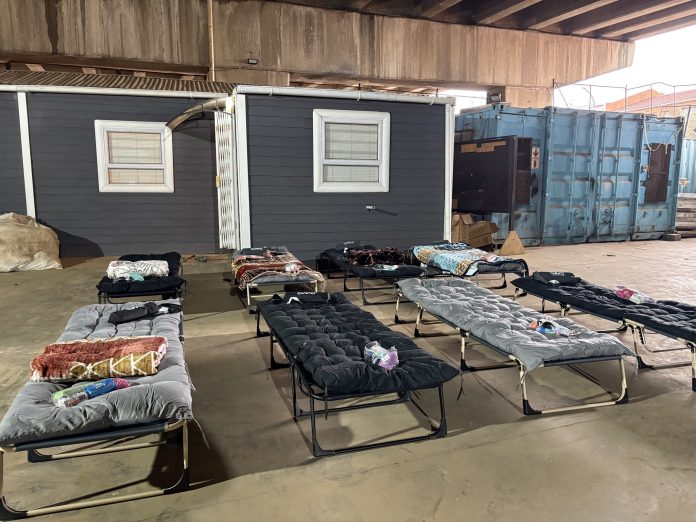
A total of 60 homeless clients will be accommodated at the temporary emergency shelter every night.


The Cape Town Central City Improvement District (CCID), in collaboration with the Haven Night Shelter, has opened a new Safe Sleeping Zone in District Six, in support of the chronically homeless community in the CBD.


The Safe Sleeping Zone is a four-month pilot project that forms part of the CCID’s Winter Readiness Programme. It will provide temporary shelter, as well as practical support, for chronically homeless individuals who are often excluded from existing facilities due to eligibility criteria.


Tara Gerardy-Bissolati, CCID Social Development manager, says the Safe Sleeping Zone will support vulnerable individuals with dignity and care.


“Winter is very harsh for people living on the streets as they are exposed to freezing temperatures, wet and unsafe conditions. They often have limited access to suitable shelter. Our aim with this project is to improve quality of life and foster a more inclusive CBD.”


The temporary facility is located in District Six under the Selkirk Street carriageway, adjacent to The Haven Night Shelter.


It will operate until September 2026, offering overnight accommodation for between 60 and 80 people per night.


Haven CEO Shaddie Valayadum says that at the heart of the initiative is the idea that no one should sleep exposed to the cold.


“It has been designed as low-threshold sleeping space, or overnight emergency accommodation rather than long-term housing, providing vulnerable individuals with protection during winter.”


CCID CEO Tasso Evangelinos says the temporary nature of the project does not mean it doesn’t have growth potential.

“While it is a targeted response to immediate winter needs, our hope is that its success will pave the way for expansion into other parts of the CBD and beyond.”


CCID Social Development sponsors 43 beds at shelters throughout the year; during winter, it increases this by 45 more beds. The emergency shelter will increase the total bed space sponsored by the CCID during winter to 168.


Controlled referral system


  • Access to the site will be managed through a controlled referral and ticket-based system, with individuals referred directly by the CCID from within its 1.6 km² footprint.
  • The shelter will open nightly at 19h00, with final entry at 21h30, and residents exiting the site at 06h30 the following morning.
  • The facility will be equipped with a maximum of 80 fold-up stretchers, emergency blankets and pillows. Basic nourishment, including a hot drink, will be provided.
  • Residents will also receive off-site meal tokens for NGO The Service Dining Rooms.
  • Ablution facilities and secure container storage will be available on-site, while the area will be enclosed by perimeter fencing, well-lit, and monitored through CCTV cameras to ensure safety and security.
  • Dedicated security guards and overnight supervisors will also be present.
  • Couples will be accommodated.
  • The shelter will operate under clear rules to support the safety and well-being of all occupants. In addition, six CCID peer field workers will be on duty at the site, all of whom have received training in First Aid, mental health de-escalation, harm reduction and induction processes.


According to the Haven, an estimated 14 000 people are living on the streets in the city, but only around 3 800 shelter beds are available. At its District Six facility, it has 90 beds available.


“Winter places significant strain on shelters as demand for warm beds and basic care increases, particularly during storms and periods of severe weather,” says Valayadum.


“By mid-June, which is only the beginning of winter, we often see our capacity already exceeding 80 %. The Safe Sleeping Zone will provide significant and much-needed relief by helping to ease capacity constraints.”


584 Mozambicans leave Mossel Bay, nearly 1,000 cross border

IMAGE: TheBMA_SA/X


The Border Management Authority (BMA) has confirmed that nearly 1,000 Mozambican nationals have left South Africa.  


The BMA Commissioner, Dr Michael Masiapato, said it has processed the departure of 933 Mozambicans at the Lemobobo Port of Entry on Wednesday, 3 June.


More than 580 of them are from Mossel Bay.


“The remaining 584 individuals travelled from Mossel Bay through arrangements facilitated by the Mozambican High Commission,” read the BMA statement on social media.


349 nationals are being deported as part of a Home Affairs deportation programme.


The departure of Mozambicans from Mossel Bay follows recent unrest in Garden Route town and the weekend deaths of two Mozambican nationals


At the same time, Malawian nationals have been given the opportunity to return to their home country, amid demonstrations against foreign nationals in South Africa.


“The Ministry would further like to inform the public that the Government is making the necessary arrangements and undertaking the request processes to provide consular support to Malawians affected by the attacks in some parts of South Africa,” read the Malawian government’s statement on social media.


Malawi’s Foreign Affairs Ministry advised that it would soon begin a voluntary repatriation process for those who express an interest in returning to the country.


It added that it has been in communication with nationals in South Africa, as well as national government agencies with which it says talks have been positive.


“The Ministry also commend the Government of the Republic of South Africa for taking decisive steps to address concerns raised by the Republic of Malawi.”


Malawian nationals are urged to contact the High Commission in Pretoria or the Consulate in Johannesburg for more details.

error: Content is protected !!