


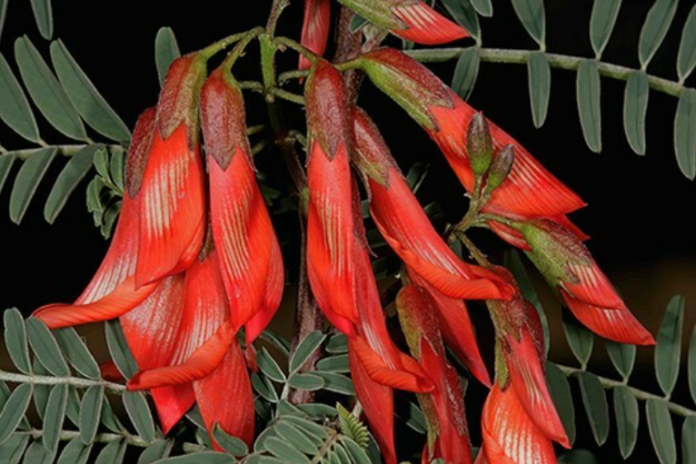
A plant that grows wild only in Southern Africa and has long been used in traditional medicine is opening new pathways for cancer treatment research in South Africa and around the world.
Researchers at North-West University are investigating the anti-cancer potential of Lessertia frutescens, commonly known as cancer bush, or kankerbos, after laboratory studies showed activity against several forms of cancer, including drug-resistant small cell lung cancer and colorectal cancer.
According to Prof. Chrisna Gouws, a research professor in the Centre of Excellence for Pharmaceutical Sciences in the Faculty of Health Sciences, the research team tested extracts from the indigenous plant on cultured human cancer cells and more advanced laboratory-grown “mini-tumours” known as spheroids.
It showed significant anticancer activity against several different cancer types.
Gouws says the findings became more important when the team observed activity in cancers that no longer respond to conventional treatment.
“What is very interesting and exciting is the apparent activity in drug-resistant cancers such as resistant small-cell lung cancer where known chemotherapies have limited to no activity.”
She says this provides researchers with new avenues to investigate treatment options for cancers currently considered incurable.
The research team said another factor attracting attention is the plant’s longstanding use in traditional medicine and its safety profile.
“An important consideration is that this plant has a long history of use and is considered non-toxic and safe for use. Its anticancer activity comes without the significant side-effects known to occur with most standard chemotherapies.”
Researchers also found that the plant may support other systems in the body during treatment.
“Lessertia has known boosting effects for the digestive and immune systems, and it can have mood-enhancing activities as well. It may therefore not only target the cancer but positively impact the patient as a whole at the same time.”
The team is now studying the plant’s phytochemicals to identify the molecules responsible for the anticancer activity and understand how they work.
The next phase of the study will include animal model testing later this year to confirm safety and efficacy before future clinical trials can be considered.
Gouws says in the interim, they aim to develop a complementary medicine product that may be available in pharmacies by 2027.
Gouws says this could, in turn, also create economic opportunities.
“Chemotherapy can be very expensive and inaccessible in rural areas. A new plant-based treatment will be much more cost-effective and may be more accessible because it can be manufactured locally. An increase in demand for the plant material will also create economic opportunities through farming.”