
14.8 C
Cape Town
Thursday, July 9, 2026
Home Blog Page 172

Inflation cools to 3%, but Middle East tensions threaten to reverse gains

inflation
Photo: Marcus Winkler/Pexels


South Africa’s inflation slowed to its lowest level in years in February, but economists warn that escalating tensions in the Middle East could derail hopes for imminent interest rate relief.


Headline consumer inflation eased to 3% year-on-year, down from 3.5% in January, in line with the South African Reserve Bank’s target.


Core inflation, which strips out volatile items, also softened to 3%, while inflation expectations dropped to a historic low of 3.6%.


Momentum Investments has noted that this signals “progress toward the new inflation target of 3%,” but cautioned that the outlook has become increasingly uncertain.


Conflict-driven risks emerge


In a statement, Momentum Investments Economists, Sanisha Packirisamy and Tshiamo Masike, have warned that the ongoing conflict in the Middle East is already feeding into global prices.


“The conflict has driven a surge in international oil prices, shipping costs and fertiliser prices,” they said, adding that risks remain “tilted to further upside pressure.”


Oil prices have surged sharply in recent weeks, with disruptions to key supply routes like the Strait of Hormuz amplifying concerns about sustained cost pressures.


They caution that higher oil prices pose an “imminent threat to fuel and transport inflation,” while rising fertiliser costs could translate into broader food price increases over time.


Fuel shock looms


Early estimates point to a significant fuel price shock in April, with petrol expected to rise by more than R4.50 per litre and diesel by over R7 per litre, potentially the largest monthly increases on record.


This is expected to reverse recent transport deflation and push inflation higher in the coming months.


Rate cut hopes fade


Despite February’s encouraging inflation print, Packirisamy and Masike say the case for a rate cut has weakened.


“Had it not been for the ongoing Middle Eastern conflict, February’s softer inflation outcome and historically low inflation expectations… would have strengthened the case for a March interest rate cut.”


However, they stressed that monetary policy is forward-looking, and rising risks now “cloud the inflation trajectory.”


Momentum’s baseline view is that the South African Reserve Bank will hold the repo rate at 6.75% in the near term, with rate cuts only likely to resume in late 2026 or early 2027 if oil prices ease.


Risk of hikes returns


In a more severe scenario, prolonged geopolitical tensions could force policymakers to tighten instead.


“Prolonged tensions could even trigger interest rate hikes should inflation expectations rise significantly,” the economists warned.


Ultimately, the group said the duration of the conflict will be key in determining whether inflation pressures are temporary or more persistent, and how aggressively the Reserve Bank will need to respond.

Fuel Price Spike Could Affect Daily Commutes

Fuel Price increase
Image by Erik Mclean/PEXELS


Commuters across the Cape Flats are bracing for uncertainty as fears grow over a steep fuel price hike expected at the start of April.


The increase follows escalating tensions in the Middle East, which have sent global fuel markets into turmoil and added pressure on local transport operators.


Also read: Mantashe: SA must act decisively to fast track oil and gas as fuel price pressures mount


The South African National Taxi Council (SANTACO) says the situation continues to be monitored, to assess how tensions abroad may impact fuel costs locally.


SANTACO Western Cape Chairperson, Mandla Hermanus, says public transport commuters will be notified immediately should any increases be implemented.


 “For now, we are doing everything possible to keep fares unchanged, but we will have to go back to the drawing board if increases become unavoidable.”


Meanwhile, Golden Arrow Bus Service (GABS) has also reassured commuters that fare increases are not on the immediate horizon. Spokesperson Bronwen Dyke-Beyer says that while adjustments may become necessary if fuel prices fail to stabilise, commuters will be given sufficient notice to prepare.


“We are extremely concerned about forward-looking diesel price projections. We will make every effort to absorb cost increases without raising fares at this time, but the situation will need to be reassessed in the coming months if conditions worsen.”


Smuggling Attempt Foiled at Oshoek Border Crossing

Drugs seized at Oshoek border
Image supplied by BMA


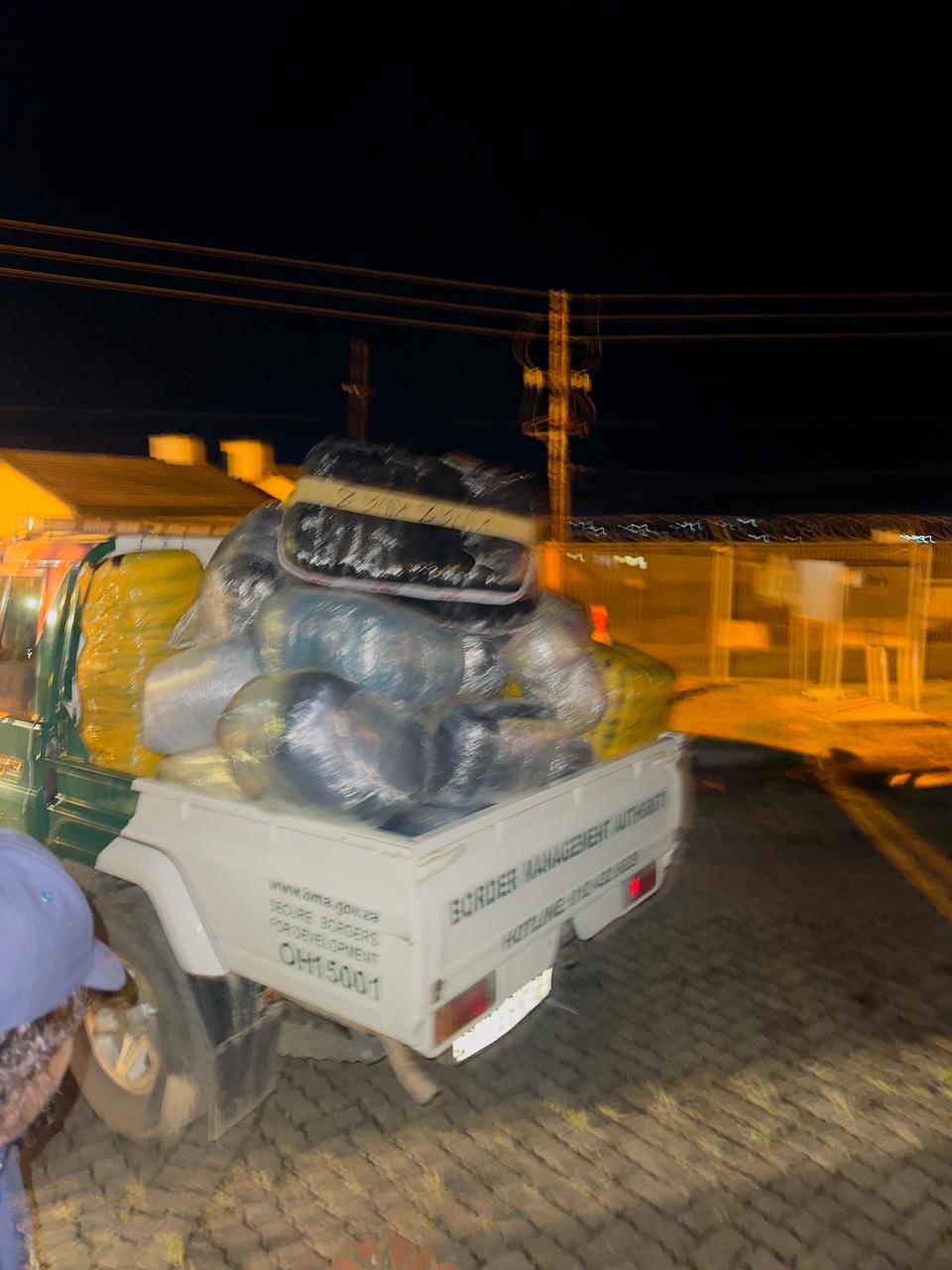
In a dramatic display of vigilance and inter-agency cooperation, South African authorities have intercepted a massive consignment of illegal drugs and goods at the Oshoek Port of Entry, sending a strong message to criminal networks attempting to exploit the country’s borders.


During a joint operation on Monday, officials from the Border Management Authority (BMA) worked in unison with several other authorities to stop a truck crossing into South Africa from Eswatini.


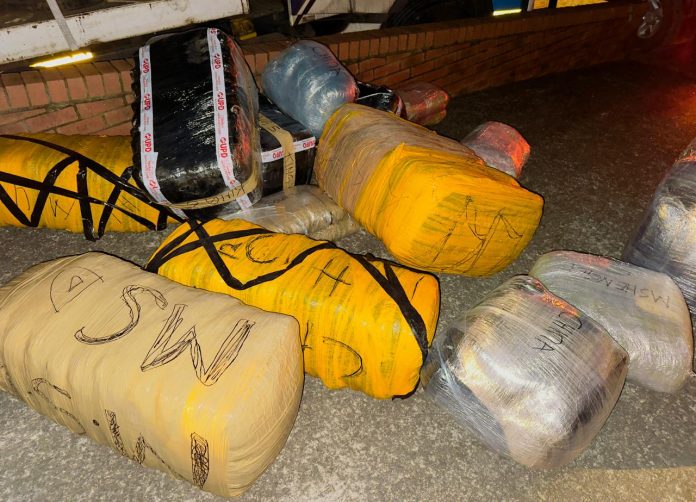
BMA Commissioner Michael Masiapato says the discovery of the drugs was made following a search of the vehicle, where 50 bags of dagga, weighing a staggering 671.5 kilograms, with an estimated street value of R2.8 million were seized. Officials also discovered 916 illicit tyres hidden within the consignment.


“The coordination between our agencies demonstrates what we can achieve when we work together. This operation is a clear example of our commitment to strengthening border security and preventing the illegal movement of goods into our country.”


drugs seized at border
Pictures supplied by BMA

A manhunt has since been launched to track down the truck driver, who managed to flee the scene before authorities could detain him.


“All confiscated items, including the dagga and illicit tyres, were registered with the police for evidentiary purposes, while the South African Revenue Service seized the truck as part of ongoing investigations. A criminal case has been formally opened.”


SANDF boots on the ground in the Western Cape from 1 April

SANDF
IMAGE: Ashraf Hendricks/GroundUP


The Western Cape MEC of Police Oversight and Community Safety, Anroux Marais, says the South African Police Service (SAPS) in the Western Cape has indicated that SANDF members could be deployed in the province by 1 April 2026.


She says this development brings much-needed clarity on the deployment timelines.


Marais has emphasised that while increased visibility of law enforcement is important in stabilising communities, this deployment must go far beyond a show of force.


“This intervention must be collaborative, intelligence-led, data-driven, and operationally focused. We need coordinated plans that will actively dismantle criminal networks, gangs, and extortion groups that continue to terrorise our communities. Equally as important is the need to include all local law enforcement structures to ensure a fully coordinated approach to break the back of organised crime and gangs.”


Marais has further called on SAPS to fully utilise this opportunity to ensure that operations lead not only to arrests but also to successful prosecutions.


“We must ensure that those responsible for violence, extortion, and organised crime are removed from our communities permanently through effective investigation and prosecution,” she added.


Minister Marais also urged residents across the Western Cape to play an active role in supporting law enforcement efforts.


“Our communities are critical partners in the fight against crime. We urge residents to come forward with information. To report where illegal firearms are being hidden, identify those responsible for shootings, and point out drug and gang houses, and other criminal activities. This information is vital in ensuring that operations target the root of criminal networks.”


During a Western Cape Cabinet meeting last Wednesday, 11 March, Premier Alan Winde
received a briefing from senior SAPS management on the plans to deploy the SANDF.


Winde says they were informed that the deployment will be focused on numerous high-crime policing precincts across the Western Cape, which together account for approximately 55% of violent crime in the province.


He says the SANDF will act as a force multiplier in support of SAPS operations and stressed that this intervention must be implemented through strong coordination with all relevant role players.


Winde says the Western Cape Government stands ready to support the operation wherever possible, including providing resources in the form of LEAP officers, K9 units, technology-enabled policing tools, and the deployment of provincial traffic services to assist with stabilisation efforts.


Cape Town Mayor Geordin Hill-Lewis says the Metro Police also stand ready to help SAPS and the SANDF.

Plans to tighten short-term rental rules as housing pressure mounts

rental


The City of Cape Town and national government are moving on parallel tracks to bring greater oversight to the booming short-term rental sector, amid growing concerns about housing affordability and fairness in the accommodation market.


The City has confirmed it will soon release a draft Short-Term Letting By-law for public participation, aimed at improving compliance with its existing Rates Policy.


Under current rules, properties primarily used as commercial accommodation, including full-time short-term rentals, are already required to pay commercial property rates.


However, the City says some operators are effectively running “mini-hotels” while still paying lower residential rates.


“The proposed by-law is not a new tax or a rate increase,” the City said in a media release.


“It is a compliance measure to ensure that those operating commercial short-term letting enterprises pay the correct rates category.”


Importantly, the City clarified that:


  • Primary residences that are occasionally let short-term will continue to pay residential rates
  • Long-term rentals remain classified as residential use
  • Only properties primarily used for short-term letting as a business may face higher charges if they are not already compliant


The municipality is also exploring the use of occupancy and platform data from companies like Airbnb to identify properties that should be classified as commercial.


The move comes as Cape Town grapples with a tightening rental market, with estimates suggesting tens of thousands of properties are currently listed on short-term rental platforms, reducing the supply of long-term housing.


At a national level, Tourism Minister Patricia de Lille has published a draft Code of Good Practice for short-term rentals, now open for public comment.


De Lille said the rapid growth of the sector has exposed regulatory gaps, as the current Tourism Act of 2014 does not give the minister powers to directly regulate short-term rentals.


Instead, the draft code sets out guidelines for responsible conduct, including:


  • Compliance with municipal bylaws, zoning and tax obligations
  • Clear communication of rules between hosts and guests
  • Fair and ethical business practices


While acknowledging concerns that short-term rentals may be contributing to rising rents and housing shortages in major cities, De Lille cautioned against heavy-handed regulation.


“This is a very important sector within tourism,” she said, noting that it expands accommodation options and supports travel in areas without traditional hotels.


She emphasised that municipalities, not the national government, hold the primary authority over zoning, land use and rates, placing responsibility on cities to manage the housing impact.


At the same time, De Lille argued that the housing crisis cannot be attributed to short-term rentals alone, pointing to longstanding spatial inequality and a lack of affordable housing in well-located urban areas.


“The solution is for cities to use available land to build more affordable housing in city centres,” she said.


The draft national code is open for public comment for 60 days and is expected to inform future amendments to tourism legislation, which could eventually introduce more formal regulation of the sector.


Both the City and national government have stressed the need to strike a balance:  supporting tourism growth while ensuring fair competition and protecting access to housing.


error: Content is protected !!