



Keep water safety top of mind, asks NSRI. The organisation says it has noticed an increase in rescue activity along parts of the country’s coastline. Add to this, warmer weather and the school holidays. It has urged members of the public to take water safety precautions when visiting beaches, swimming pools, rivers and dams.
The NSRI’S andrew Ingram, “Water safety starts before you leave home.”

Keep water safety top of mind, asks NSRI
The Head of Communications at the NSRI, Andrew Ingram, says the term three school holiday is starting this week. Temperatures are also rising, and more people are expected to spend time in and around the water. The NSRI is reminding families, swimmers, boaters and anglers this week that a few key precautions can prevent an emergency.
“Check where lifeguards will be on duty, make sure everyone knows what to do in an emergency and save the relevant emergency numbers on your phone, ” added Ingram.

NSRI urges public to prioritise water safety as water activity increases
“Summer should be a time to enjoy the water safely, but increased activity along the coastline, dams and rivers can also result in more people getting into difficulty,” he said. Ingram added that many water-related emergencies can be prevented by planning, choosing safer places to swim and supervising children closely.
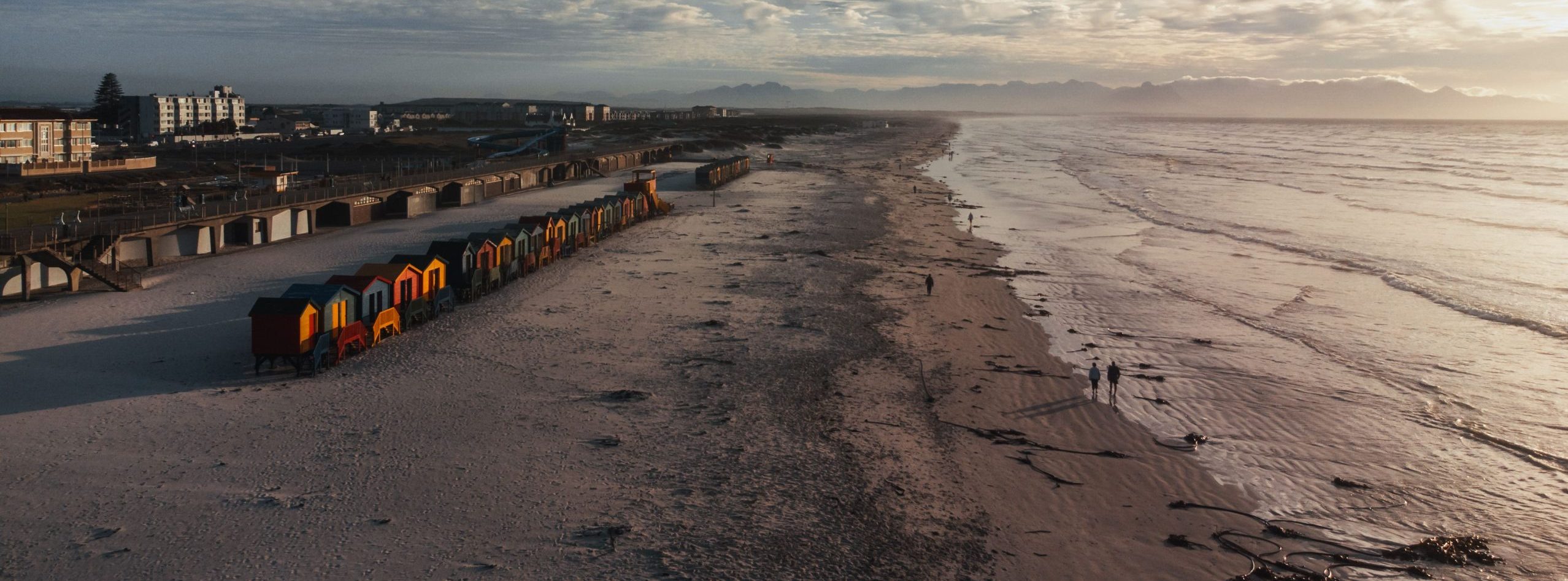
Key water safety tips from the NSRI
Avoid alcohol before or during swimming and boating. Alcohol impairs judgement and physical ability and can also compromise your ability to supervise children and those in your care. Swim where lifeguards are on duty, and stay between the designated flags. Lifeguards are trained to identify dangerous currents and respond when someone gets into difficulty. Learn about rip currents. If you are caught in one, do not panic or try to swim directly against the current. Float, raise an arm to attract attention and, when possible, swim parallel to the beach until you are clear of the current. Then use the incoming waves to help you return to shore.

Learn the emergency numbers
Never turn your back on the sea, particularly when standing on rocks or fishing from the shoreline. Wear a correctly fitted lifejacket when boating, paddling or fishing from rocks. Know your emergency numbers. Save 112, the national emergency number, and the NSRI Emergency Operations Centre number, 087 094 9774, on your phone before you need them. If you see someone in difficulty, call a lifeguard or the NSRI for help. Do not enter the water without flotation. Throw the person something that floats, such as a Pink Rescue Buoy. Learn basic bystander CPR. It can help save a life while emergency services are on their way.
“Most importantly, please actively supervise children whenever they are near water” added Ingram.
NSRI message: A reminder to parents and caregivers
Drowning is often silent. A child in difficulty may be unable to splash, wave or call for help. Parents and caregivers should:
• actively supervise children whenever they are in or near water;
• keep young children within arm’s reach while they are in the water, including in a bath, paddling pool or swimming pool;
• don’t leave a child unattended near water, even for a moment;
• put mobile phones away and avoid other distractions while supervising children; and
• agree on a meeting point before arriving at a beach or other busy location, in case a child becomes separated from the group.