


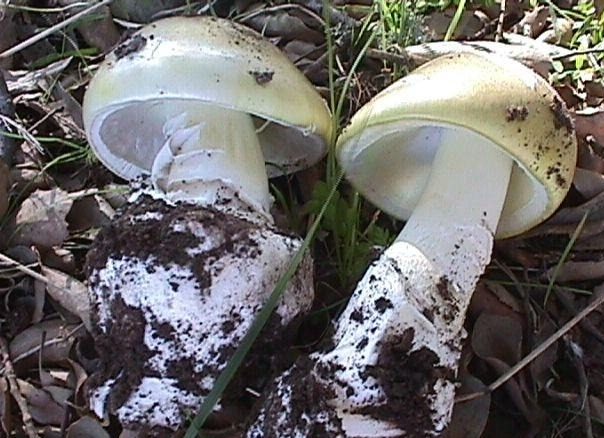
Beware, wild mushrooms can be deadly. That’s the warning from the Western Cape Department of Health and Wellness. The warning comes as there’s been a concerning spike in confirmed cases of Death Cap mushroom poisoning in the province.
The Director of the Red Cross Hospital Poisons Information Centre, Dr Bradley Browne said children are especially vulnerable because of their natural curiosity.
Beware, wild mushrooms can be deadly
The Director of the Tygerberg Poisons Information Centre, Carine Marks says one bite can be fatal. She says wild mushrooms are now commonly appearing in gardens, parks, vineyards, and forests. Marks added that although some may look harmless or resemble edible varieties, experts warn that it is impossible to determine whether a mushroom is safe to eat based on appearance alone.
Marks added, “Do not wait for symptoms to develop. If someone has eaten a wild mushroom, seek immediate medical attention, even if they appear well. Early treatment can save lives.”
One bite can be fatal
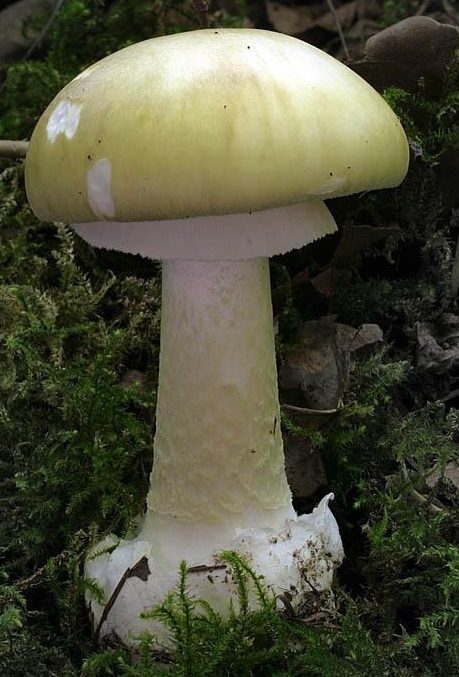
According to a media statement, one of the most dangerous species is the Death Cap mushroom (Amanita phalloides) which is one of the world’s most poisonous mushrooms. Marks says that eating even a small amount can lead to severe liver failure and death. She says its toxins remain deadly even after the mushroom has been cooked, dried or frozen.
Department urges the public to avoid wild mushrooms
She said, “Historically, the National Poison Information Helpline has received only one or two confirmed Death Cap poisoning cases each year from across South Africa. Alarmingly, five confirmed cases have already been reported in the past two weeks, all from the Western Cape.”
The Department of Health and Wellness reminds members of the public and healthcare professionals that the National Poison Information Helpline is available to provide urgent advice in cases of suspected poisoning.
Marks added that symptoms usually develop between six and 24 hours after consumption. These include severe vomiting, diarrhoea, and abdominal pain. She says many people appear to recover after the initial illness, but this can be misleading. Marks noted that without urgent medical treatment, poisoning can rapidly progress to liver failure, kidney injury, and death.
The Death Cap mushroom is typically identified by:
• A smooth olive-green to yellowish cap, although the colour may range from pale green to almost white.
• White gills beneath the cap.
• A white stem with a skirt-like ring.
• A cup-like sac (volva) at the base of the stem, often hidden beneath soil or leaf litter.
In case of accidental ingestion or exposure, seek medical care at your nearest clinic immediately, or contact the Poison Information Helpline of the Western Cape (PIHWC) at 086 155 5777.