


The spotlight is on Diabetes this week as the country’s first-ever Diabetes Summit takes place. With World Diabetes Day taking place on the 14th of November, it is shocking that Diabetes is the number one killer of women in South Africa, and the second leading cause of death in men, according to a Stats SA report.
At the same time, the International Diabetes Federation (IDF, 2019) says one in two people with diabetes are also undiagnosed.
Another shocking fact from the SA Demographic and Health Survey is that two in three people in the country are at risk of prediabetes.
SA’s inaugural Diabetes Summit set to tackle diabetes challenges
The Diabetes Alliance has partnered with the University of Pretoria’s Diabetes Research Centre, to present South Africa’s first-ever Diabetes Summit.
The Summit is especially relevant at this time having seen the devastating impact that covid-19 has had on those with Diabetes.
Additional information: Diabetes is a condition that occurs when blood glucose, also called blood sugar, is too high. Blood glucose is the main source of energy and comes from the food a person eats. Insulin, a hormone made by the pancreas, helps glucose from food get into your cells to be used for energy. Sometimes the body doesn’t make enough—or any—insulin or doesn’t use insulin well. Glucose then stays in the blood and doesn’t reach the cells. The most common types of diabetes are Type 1, Type 2, and gestational diabetes.
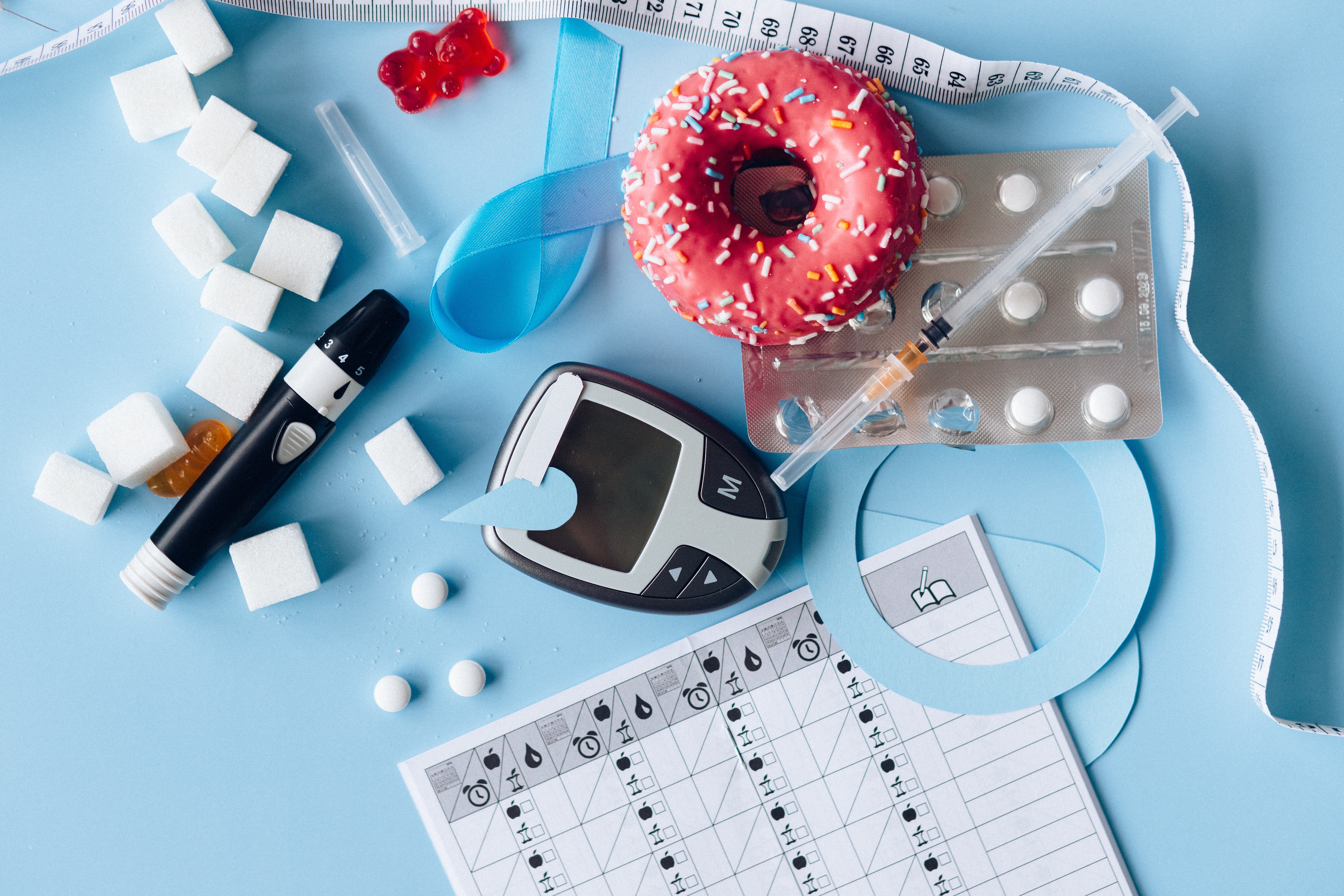
Over time, high blood glucose leads to problems such as:
- heart disease
- stroke
- kidney disease
- eye problems
- dental disease
- nerve damage
- foot problems
Symptoms of diabetes include:
- increased thirst and urination
- increased hunger
- fatigue
- blurred vision
- numbness or tingling in the feet or hands
- sores that do not heal
- unexplained weight loss
Symptoms of Type 1 diabetes can start quickly, in a matter of weeks. Symptoms of Type 2 diabetes often develop slowly—over the course of several years—and can be so mild that you might not even notice them. Many people with Type 2 diabetes have no symptoms. Some people do not find out they have the condition until they have diabetes-related health problems, such as blurred vision or heart trouble.
Find information about the summit here: www.diabetesalliance.org.za/diabetes-summit
#DiabetesSummitSA
#IfNotNowWhen