


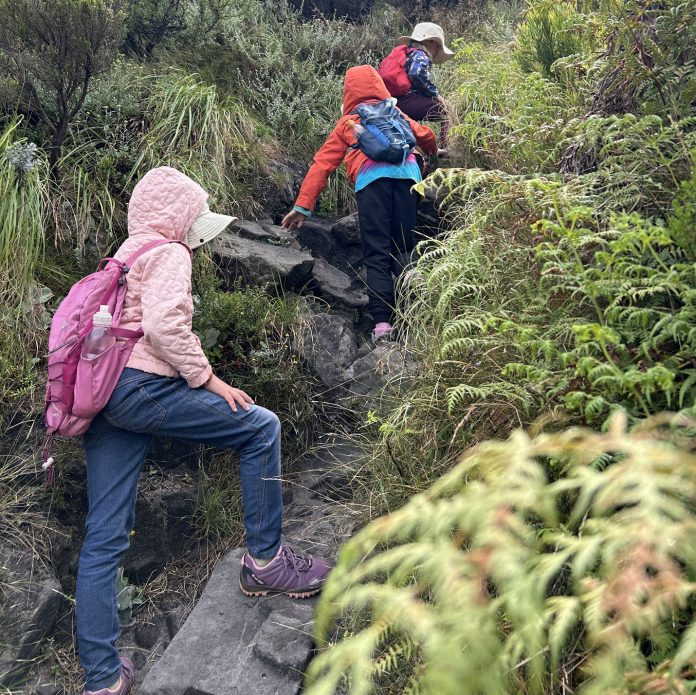
Physical activity can boost your health and wellbeing. According to the World Health Organisation (WHO) and South Africa’s National Department of Health (NDoH), regular physical activity can reduce the risk of heart disease and stroke by 30%. It can also cut the risk of type 2 diabetes by 40%. At the same time, it can significantly lower the chances of certain cancers, depression, and anxiety. The consensus of the two bodies is that physical activity is one of the most powerful tools we have for better health and longevity.
Physical activity can boost your health and wellbeing
According to a media statement from the Western Cape Department of Health and Wellness, non-communicable diseases such as diabetes, cancer, and heart conditions remain the leading causes of death in South Africa. It reads that daily movement – from walking to gardening – can prevent illness, support recovery, and improve quality of life.

Movement is Medicine
The Director: West Coast District, Warren Caesar, says every step counts. “From children at play to adults managing stress and older persons building strength, movement improves wellbeing and helps us age with dignity. He says movement, combined with healthy food choices and the correct use of medication, forms the foundation for a longer, healthier life.
Benefits Across All Life Stages
There are benefits across all life stages.
Children and Youth: Physical activity builds strong bodies, sharp minds, and lifelong healthy habits. It boosts learning, improves focus, and lowers the risk of obesity.
Adults: Regular exercise lowers stress, prevents chronic illnesses like diabetes, and strengthens the heart. Movement supports independence and productivity, even after illness or injury.
Older Persons: Staying active prevents frailty, reduces falls, and supports social and mental wellbeing. Active ageing allows people to remain connected, purposeful, and independent for longer.
Small Steps, Big Impact
People are advised that 150 minutes of moderate activity a week can dramatically reduce the risk of disease. At the same time, movement doesn’t always mean structured exercise. It’s about small everyday choices that help to strengthen resilience and independence.