


South Africans could soon feel the economic impact of the escalating conflict involving Iran, the United States and Israel, with economists warning that higher fuel costs, rising inflation and disrupted trade routes may follow if the war drags on.
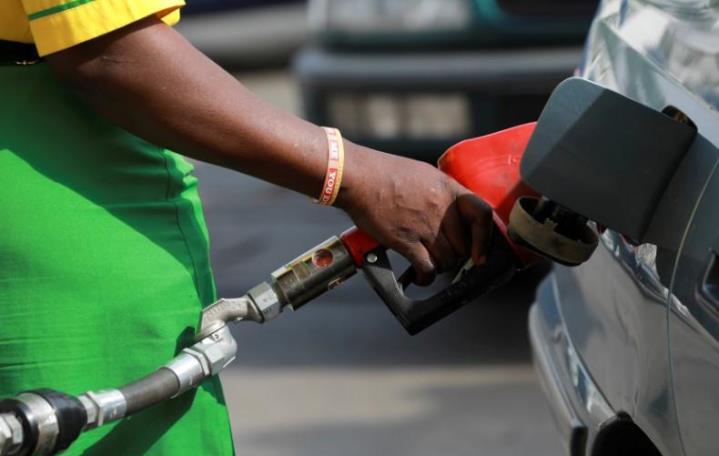
StanLib Chief Economist Kevin Lings says the early impact is already visible in fuel price pressures.
According to Lings, the daily under-recovery on diesel on 3 March 2026 climbed to about 500 cents per litre, while petrol is about 266 cents per litre.
An under-recovery means fuel prices will increase.
“If those are the type of fuel price increases South Africa is going to experience in April, then inflation will move sharply higher, undermining the chance of further interest rate cuts,” he warned.
The Road Freight Association says rising diesel prices are already putting pressure on the transport industry, which relies heavily on the fuel to move goods across the country.
CEO Gavin Kelly says higher fuel costs will inevitably be passed on to consumers.
“Diesel is the primary source of fuel for most medium and heavy commercial transporters,” Kelly said, warning that freight companies will have to factor the increases into their pricing.
This could result in higher prices for everyday goods, including food and household products, as transport costs ripple through the supply chain.
The conflict is also creating uncertainty for exporters, particularly in the Western Cape.
Industry body Exporters Western Cape says shipping lines are beginning to review services to the Middle East amid rising tensions.
Chairperson Terry Gale says rising fuel prices and potential shipping disruptions are worrying exporters who supply fresh produce to markets in the Gulf.
The situation is complicated by the strategic importance of the Strait of Hormuz, which handles roughly 20% of global oil supply and is a key trade route for the region.
If shipping routes are disrupted, exporters could face delays or financial losses, especially when agricultural products cannot easily be redirected to other markets due to strict import regulations.
Experts also warn that South Africa could face broader geopolitical and economic pressure depending on how the conflict unfolds.
According to Barend Prinsloo from North-West University, the most immediate effects will likely be felt through fuel prices and supply disruptions.
He says over time, the country could also face political and financial exposure, particularly if global powers scrutinise South Africa’s diplomatic relationships in the region.
Experts agree that a prolonged war could trigger sustained increases in oil prices, pushing up inflation and placing further pressure on South African consumers.