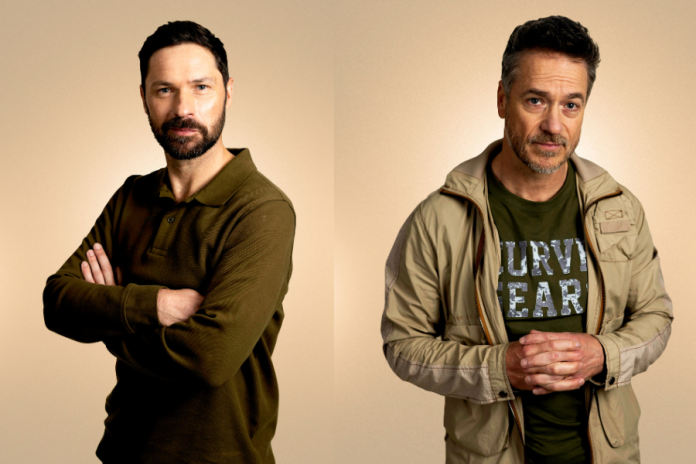
Frank Rautenbach and Neels van Jaarsveld star in kykNET’s new drama ‘Beter as gister’
WCED: holiday security subsidised at 430 schools

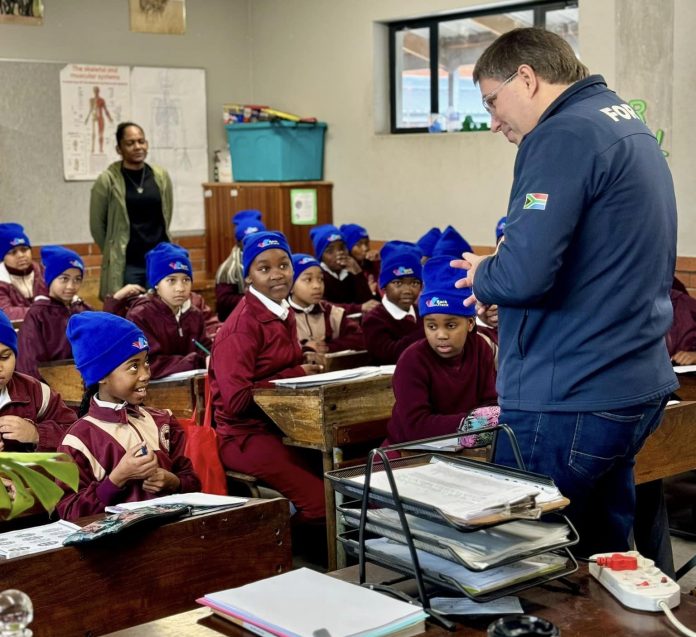
As term two comes to an end, the Western Cape Education Department (WCED) has again subsidised its school holiday security support. This is because provincial schools have increasingly become hotspots for vandalism and burglaries.
The department has reportedly subsidised school holiday security at 430 schools at risk during the holiday period.
These interventions come as 25 schools reported 28 incidents of burglary and vandalism during the recent term break, causing nearly R400 000 in damages. Stolen and damaged items included computers, electrical wiring, plumbing fixtures and security infrastructure.
This has reportedly yielded positive results, with incidents of burglary and vandalism declining over the 2025/26 summer holidays. The number of incidents dropped from 47 incidents affecting 34 schools during the previous holiday period to 36 incidents affecting 32 schools.
According to DA Western Cape spokesperson on Education, Peter Johnson, schools identified through district risk assessments receive support for 12-hour or 24-hour guarding, as well as cluster patrols.
Western Cape Education MEC, David Maynier, says that while holiday security has been subsidised, the department is appealing to the public for help in protecting school properties.
“Please keep a close eye on your local school during the holidays, and report anything suspicious to SAPS immediately!” added Maynier
READ MORE: Have patience says WCED with release of 2027 admissions outcomes
Researchers warn anti-migrant sentiment could hurt South Africa’s economy and global standing

Researchers from the African Centre for Migration & Society (ACMS) have warned that growing anti-migrant sentiment in South Africa could damage the country’s economy, international reputation and constitutional democracy.
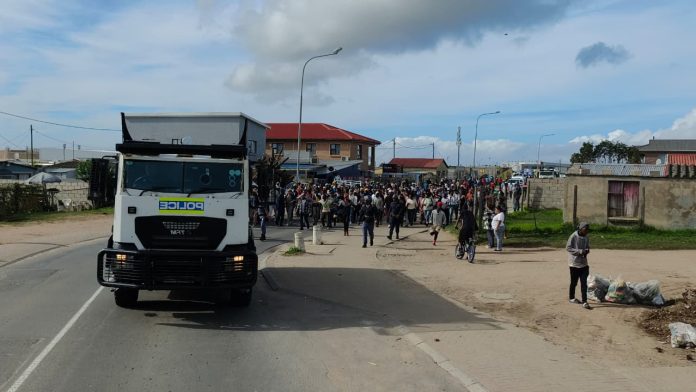
The warning comes amid renewed anti-immigration protests and growing concerns over planned demonstrations on 30 June.
In a recent ACMS video discussion, senior researcher Associate Professor Jo Vearey said migrants are increasingly being used as political scapegoats for broader social and economic problems.
“We then have political parties using this as part of their campaigning; it resonates with people,” Vearey said.
“People aren’t saying: ‘Well, what next? If we get rid of these foreign nationals, what’s actually going to change? Are you going to suddenly be improving service delivery?’ Obviously not.”
Professor Loren Landau said efforts to exclude migrants could also have serious economic consequences.
“We think in Johannesburg, the informal trade in clothing and goods is probably worth something like a billion dollars a year,” he said.
“If you shut that down, if you stop trade within the region, you’re losing that money. And that’s money that goes straight into people’s hands. It’s spent within the economy.”
The researchers also warned that recent anti-migrant mobilisation is harming South Africa’s standing abroad.
“The ways in which we are seeing things manifest currently is harming South Africa’s reputation, both within the southern African region, continentally and globally,” Vearey said.
She added that government efforts to challenge anti-migrant narratives have been insufficient.
In a separate opinion piece, Landau and ACMS researcher Dr Pierre Misago argued that xenophobic mobilisation has become entrenched in South Africa’s political landscape and is often enabled by failures of the state to act against vigilante groups.
According to data collected by Xenowatch, 406 verified xenophobic incidents were recorded between 2022 and 2025, resulting in 75 deaths. In 2025 alone, 151 incidents were documented, while 22 incidents were recorded during the first five months of 2026.
The researchers argue that tackling the problem requires stronger law enforcement against both illegal migration and vigilante violence, as well as greater political accountability for leaders whose rhetoric may fuel hostility toward migrants.
They warn that unless decisive action is taken, South Africa risks further economic losses, reputational damage and growing social divisions.

Five to Appear in Court Over R1.5m Illegal Abalone Bust in Gqeberha
Five suspects are due to appear in the Gqeberha Magistrate’s Court tomorrow, 26 June 2026, after being arrested in connection with an illegal abalone operation involving more than R1.5 million worth of the highly sought-after marine resource.
The suspects, aged between 20 and 36, were arrested yesterday during a high-profile joint operation involving the Hawks’ Economic Protected Resources (EPR) unit in Bellville, the Department of Forestry, Fisheries and the Environment (DFFE), Crime Intelligence in Motherwell, and SAPS Mount Road.
Authorities seized 4,513 units of abalone, valued at approximately R1.56 million, after acting on information about a suspected illegal processing site at a house along Marcon Road in Gqeberha.
Provincial Head of the Hawks in the Western Cape, Major General Mathipa Makgato, welcomed the arrests, saying abalone is strictly regulated under South Africa’s Marine Living Resources Act.
“Operating an abalone drying or processing facility without a permit constitutes a serious offence, often leading to charges of illegal possession, processing, and dealing in protected marine resources.”
Also read: Two Operations, Hundreds of Illegal Marine Products Seized
Newly discovered fish parasite named after South African ecologist
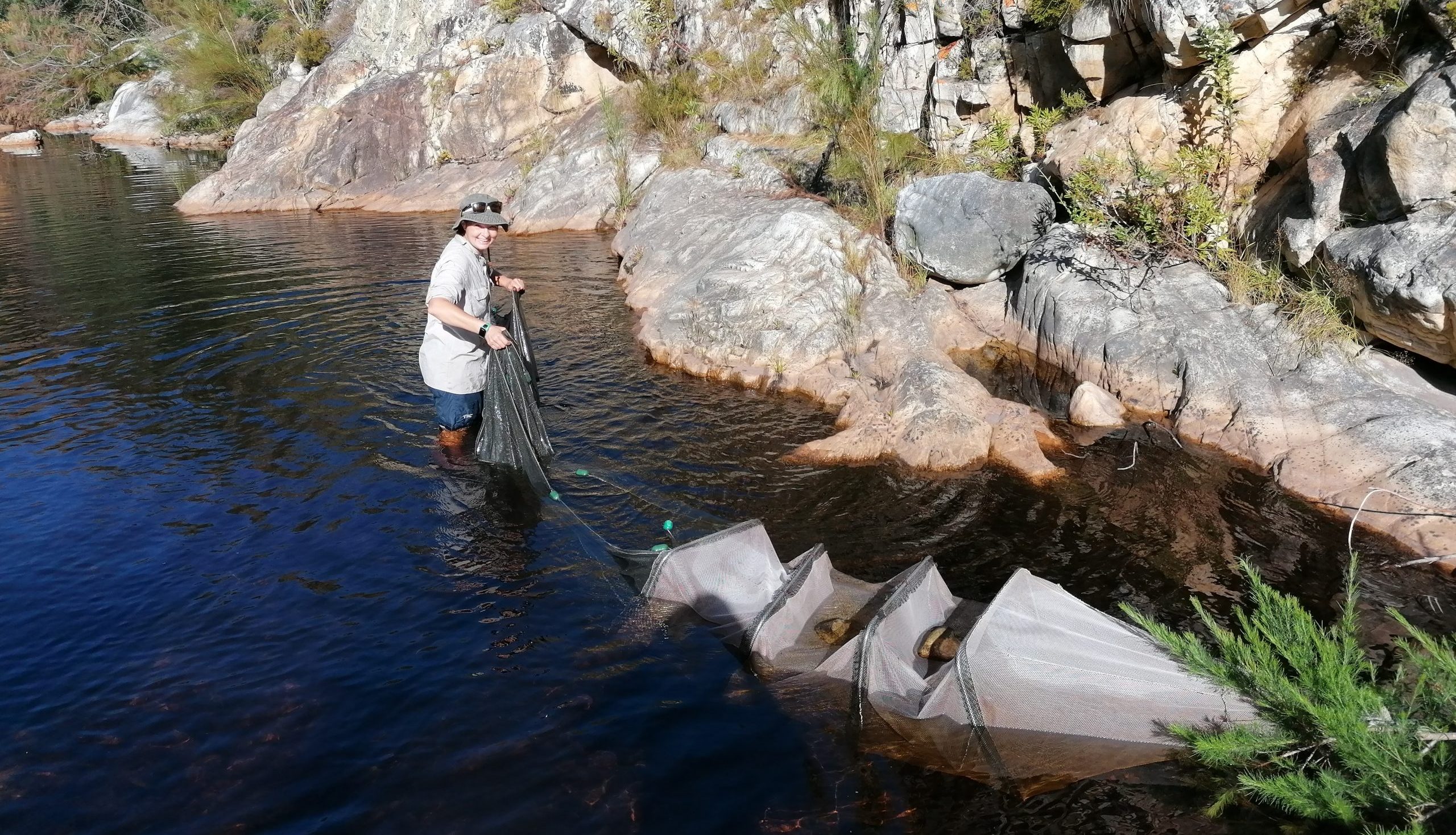
A newly discovered species has been named after a South African ecologist. Dr Martine Jordaan is also a Fauna Ecologist at CapeNature. A newly described Paradiplozoon species (which is a type of ectoparasitic flatworm) now bears her name. This was done in recognition of her knowledge and passion for the aquatic life of the Cape Fold Ecoregion.
“CapeNature is proud to see Dr Jordaan’s contribution recognised in this way,” added Naidoo
CapeNature CEO Dr Ashley Naidoo says she’s also very enthusiastic to study the region’s fish as well as understand their parasitofauna.
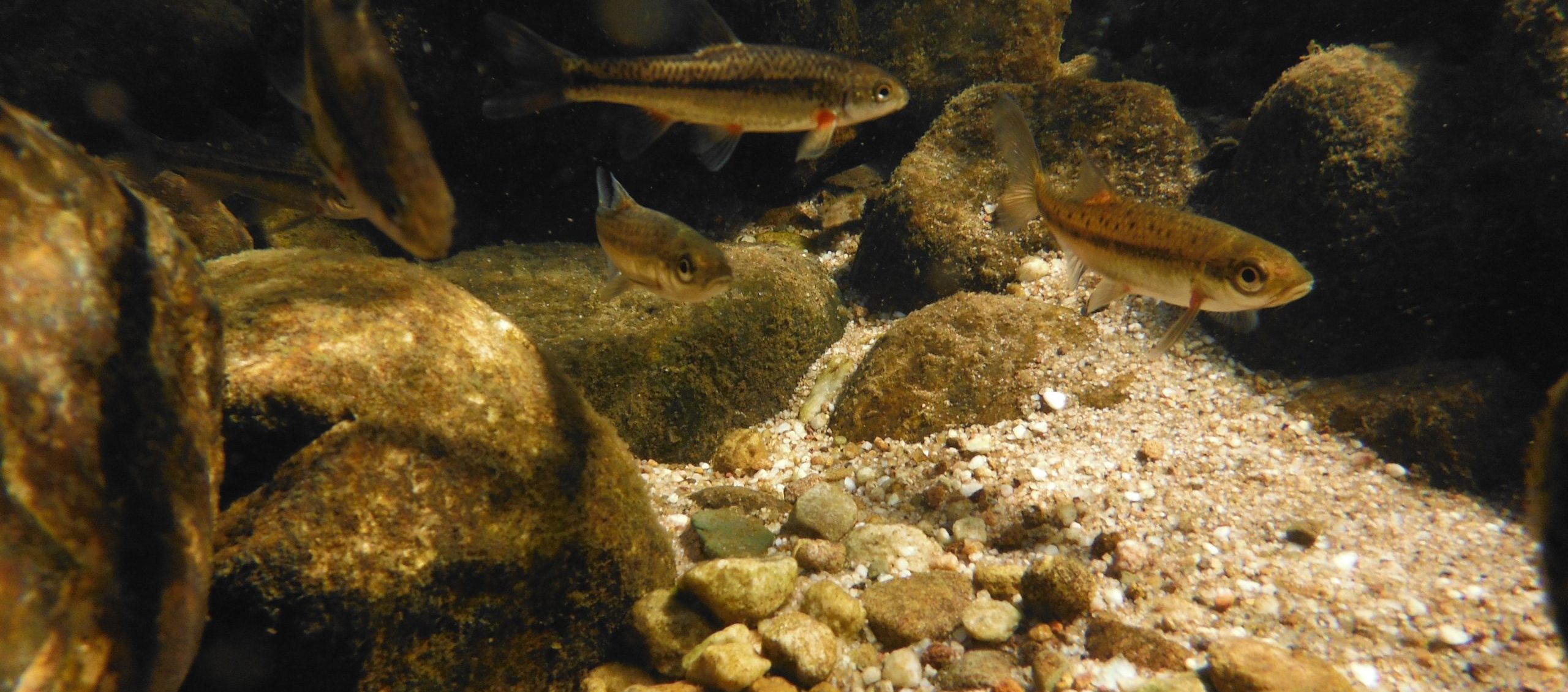
Naidoo says the newly identified species – Paradiplozoon jordaanae – is named after Dr Jordaan and was described through studies of parasites found on the gills of two near-threatened endemic freshwater fish species.
“For me, the specialness of it is seeing how your little bit feeds into something bigger. It really shows the value of collaboration and what can be achieved when people with different expertise work towards the same goal,” said Dr Jordaan.

These freshwater fish species, Clanwilliam sawfin (Cheilobarbus serra) and the Clanwilliam redfin (Sedercypris calidus) are from the Matjies and Rondegat rivers in the Cape Fold Ecoregion. He says the recognition highlights the importance of collaboration in advancing conservation science in the Western Cape.

“In the case of fish parasites, there is this whole undiscovered world that you can basically only access under a microscope. And as conservation is such an applied and practical field, we do not always have time to investigate these specialist disciplines,” she said.
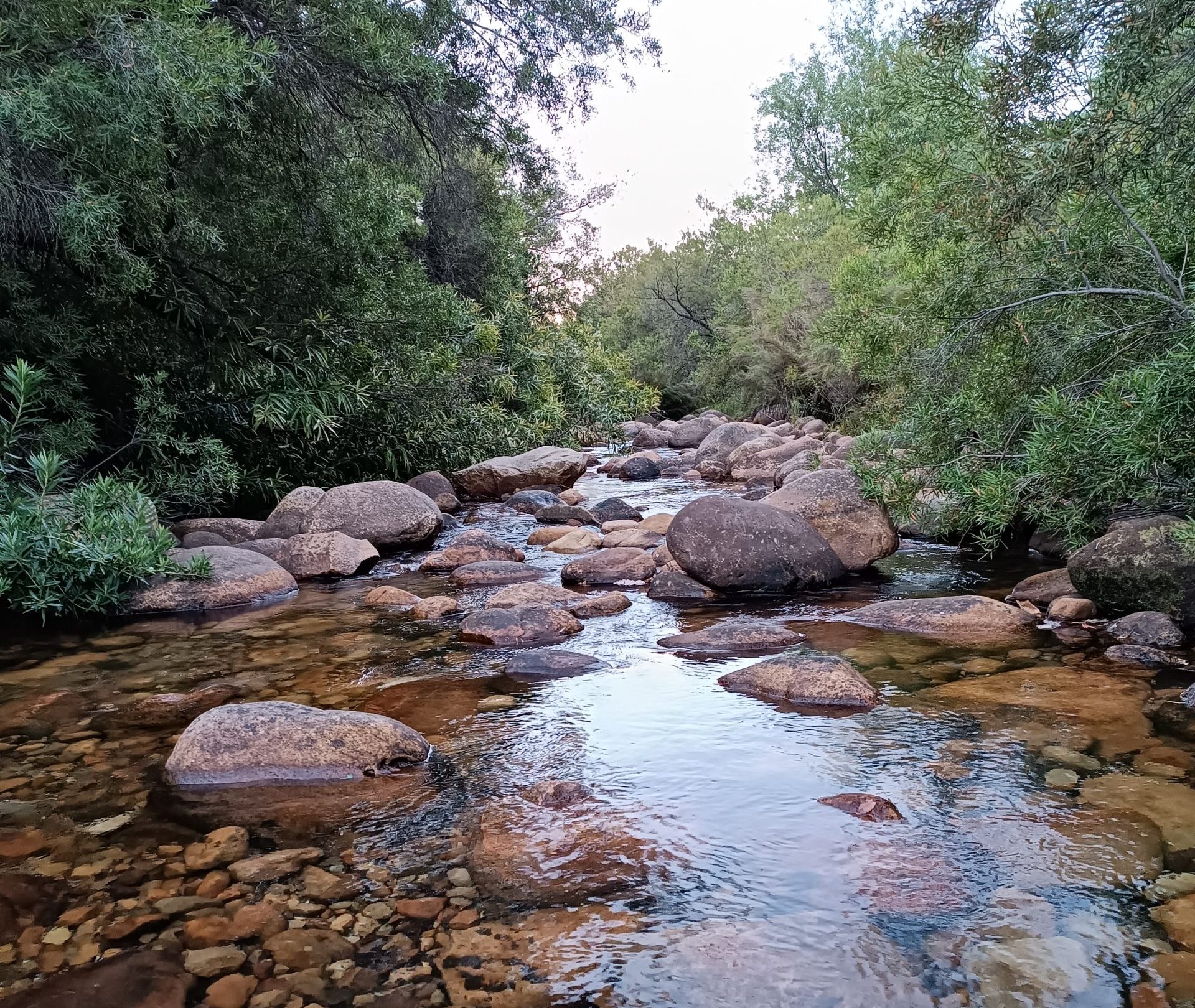
The Cape Fold Ecoregion
Naidoo says that having a species named after Dr Jordaan is significant recognition, not only for her personally, but also for the freshwater biodiversity work being undertaken within the Cape Fold Ecoregion. He added that this collaboration demonstrates how partnerships, both formal and informal, between conservationists and academic researchers can deepen scientific understanding and strengthen conservation outcomes.

Naidoo elaborated that the species was identified by researchers from the Water Research Group at North-West University (NWU). This followed a collaboration that began nearly six years ago, when Dr Jordaan encountered an unusual fish parasite during fieldwork on redfin fish. He says the parasite in this case was a fish ectoparasitic flatworm, not seen in the rivers of the Cape ecoregion for many years.
“Dr Jordaan said conservation science often depends on partnerships that allow specialists from different fields to contribute towards a common conservation objective.”