16.6 C
Cape Town
Monday, July 13, 2026
Home Blog Page 253

WCgov warns of diarrhoea and pneumonia in children this surge season

wcgov professor buys
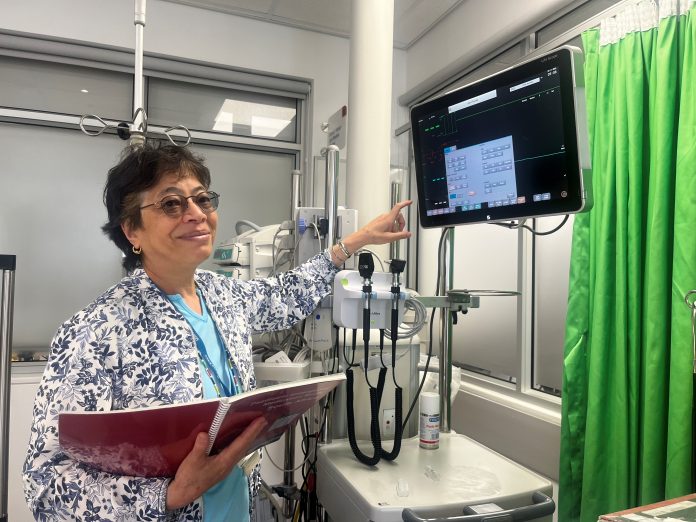
Professor Heloise Buys, Head of Ambulatory and Emergency Services at Red Cross War Memorial Children’s Hospital.


As we move through the annual paediatric surge season, the Western Cape Health and Wellness Department has urged parents and caregivers to take extra care during this time as more young children become ill with diarrhoea and pneumonia.


These illnesses are reportedly common in young children every year from November to May. During periods of very hot weather, health facilities across the province also see an increase in children who arrive with gastro-related symptoms.


According to the department, during the surge season, Red Cross War Memorial Children’s Hospital, the province’s specialist children’s facility, recorded a noticeable rise in these cases.


The hospital has advised parents and caregivers that early recognition of symptoms and timely treatment can prevent severe dehydration and other complications.


Professor Heloise Buys, Head of Ambulatory and Emergency Services at Red Cross War Memorial Children’s Hospital, says Gastroenteritis is one of the most common reasons for hospital admissions during this time of year.


“While many children can be treated at home, young children are especially vulnerable to dehydration, which can become life-threatening if not managed early.” added Buys


While the World Health Organisation estimates that nearly 1.7 billion cases of childhood diarrhoeal disease occur every year, Professor Buys says good hygiene, safe drinking water and proper sanitation can prevent many of these.


“If your child is unable to keep fluids down or shows signs of dehydration, please seek medical help immediately. Oral rehydration solutions are the first line of defence and should be given as soon as symptoms appear.”

 

wcgov paediatric surge season

Professor Buys also reminds families that water can become contaminated more easily than we may realise. Open containers allow germs, dirt and pests to enter and increase the risk of illness in young children.


Contaminated water can carry diarrhoeal germs such as E. coli, Shigella, Salmonella and rotavirus, all of which can be especially harmful to babies and young children.


Diarrhoea can become dangerous very quickly in babies and young children. Because their bodies are small, they lose fluids faster and are at higher risk of dehydration. Parents and caregivers are encouraged to seek medical attention immediately if their child develops diarrhoea.

 

wcgov paediatric surge season

Professor Buys added that breastfeeding remains very important and should continue during illness, and Antibiotics are not recommended for viral gastroenteritis.


The Western Cape Department of Health and Wellness has encouraged parents and caregivers to make full use of their local clinics and the information in the Road to Health Booklet.


READ MORE: Parents urged to give consent ahead of HPV school immunisation drive

Parents urged to give consent ahead of HPV school immunisation drive
HPV


The Western Cape Department of Health and Wellness has encouraged parents to support the upcoming HPV school immunisation drive, which commences on 2 February 2026.


School health nurses will visit schools until 27 March to offer a single-dose HPV vaccine at no cost to Grade 5 girls aged 9 years and older.


The Department says by supporting this programme, parents and caregivers can ensure that their daughters are better protected in adulthood against one of the most preventable cancers affecting women – cervical cancer.


Cervical cancer remains one of the most common cancers in South Africa, and most cases are caused by the human papillomavirus (HPV).


The HPV vaccine, given in early adolescence, helps stop these infections long before they can cause harm.


Immunising at this age is recommended worldwide because children have a strong immune response, making the vaccine most effective when given at this age.


This immunisation programme has been in effect in South Africa since 2014, with over 400, 000 girls receiving the vaccine in public, independent/private and special schools across the Western Cape since then.


Crucially, school health nurses can only immunise young people with completed consent forms.


Cristal Solomons, who oversees the rollout of the campaign in the Western Cape, says parents and caregivers are important partners in this.


“The HPV vaccine is one of our strongest tools to prevent cervical cancer. Giving it to girls at this age offers long-lasting protection that can save lives later on.”

“Our school nurses are adequately trained to provide the vaccination and will only provide it with your permission, through a signed consent form.”


What parents can do


  • Look out for the HPV consent form from school
  • Review and sign it
  • Return it to your child’s school
  • Contact your clinic or school health team with any questions


More information on immunisation is available HERE.

Top Matric Stars Shine as Class of 2026 Is Urged to Aim Higher

WCED pays tribute to matric class of 2025 top performers


The Western Cape’s historic matric achievements have set a powerful benchmark, and now the spotlight shifts to the Class of 2026. As the province celebrates yet another record-breaking year, Western Cape Education MEC David Maynier says the challenge has been firmly laid before the next cohort of matric learners.


Speaking at a special awards ceremony hosting the country’s top achievers, Maynier paid tribute to two extraordinary young women who stood at the centre of the Western Cape’s matric celebrations. Their achievements, he said, are a reminder that excellence knows no limits, whether of circumstance, background or ability.


For the fifth consecutive year, the province produced the top matric candidate in the country.


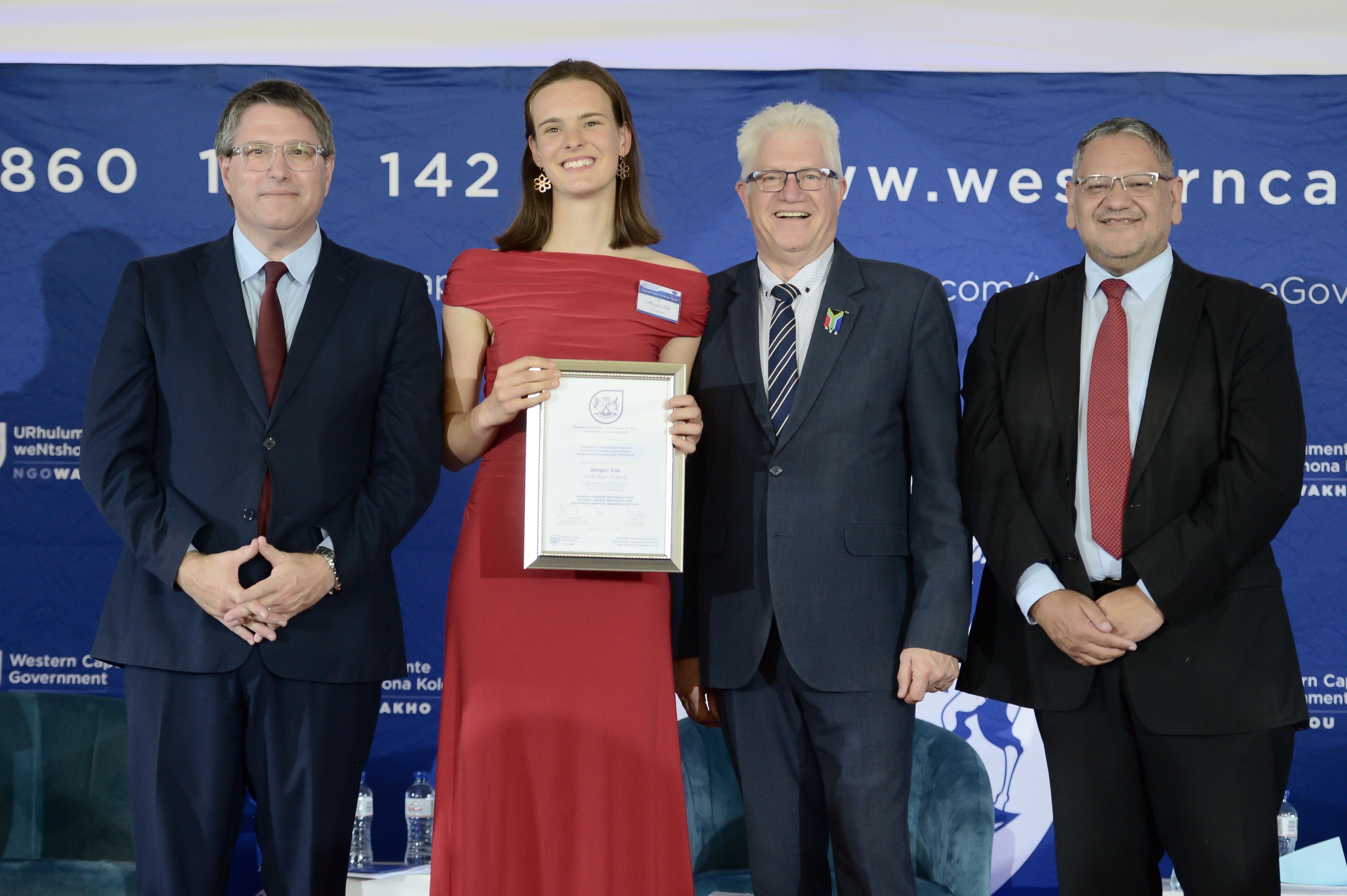
Abigail Kok, a learner from York High School in George, was named South Africa’s top achiever, outperforming more than 746 000 matric candidates nationwide.


Top candidate in SA, Abigail Kok

“Not only is she the top candidate in the Western Cape, she is the top candidate in the entire country. This is an outstanding achievement,” Maynier said.


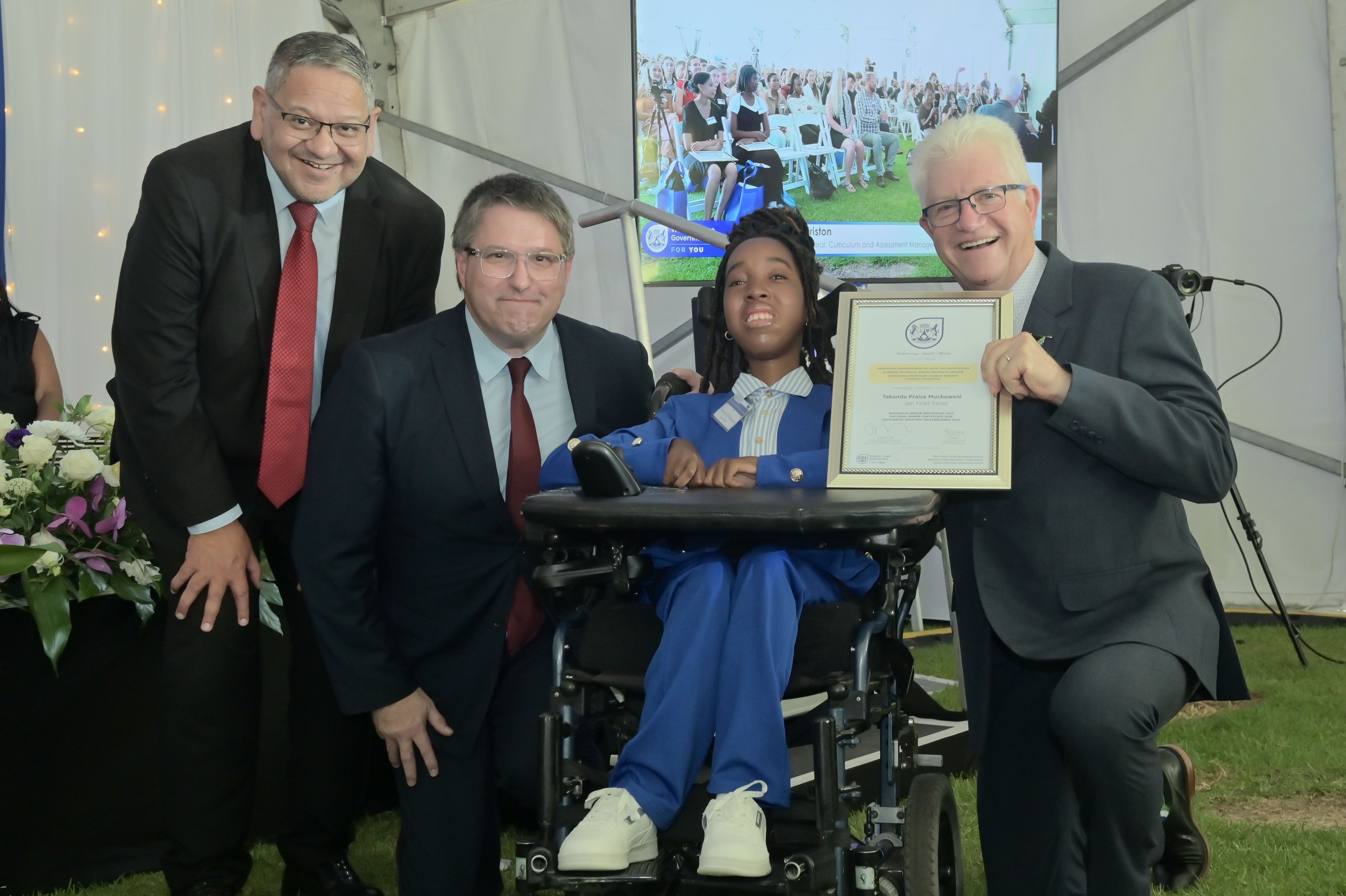
Sharing the spotlight was Takunda Muchuweni from Jan Kriel School in Kuils River, who was recognised as the country’s top candidate with special needs. Her achievement drew a standing ovation from guests, educators and fellow learners.


Top LSEN (Learners with Special Education Needs) candidate in South Africa, Takunda Muchuweni

“Takunda’s results show what is possible when talent is matched with determination and the right support,” Maynier added.


The achievements of these learners formed part of a historic year for the province, with the Class of 2025 delivering the highest matric pass rate and bachelor’s pass rate ever recorded in the Western Cape, continuing the momentum started by the Class of 2024.


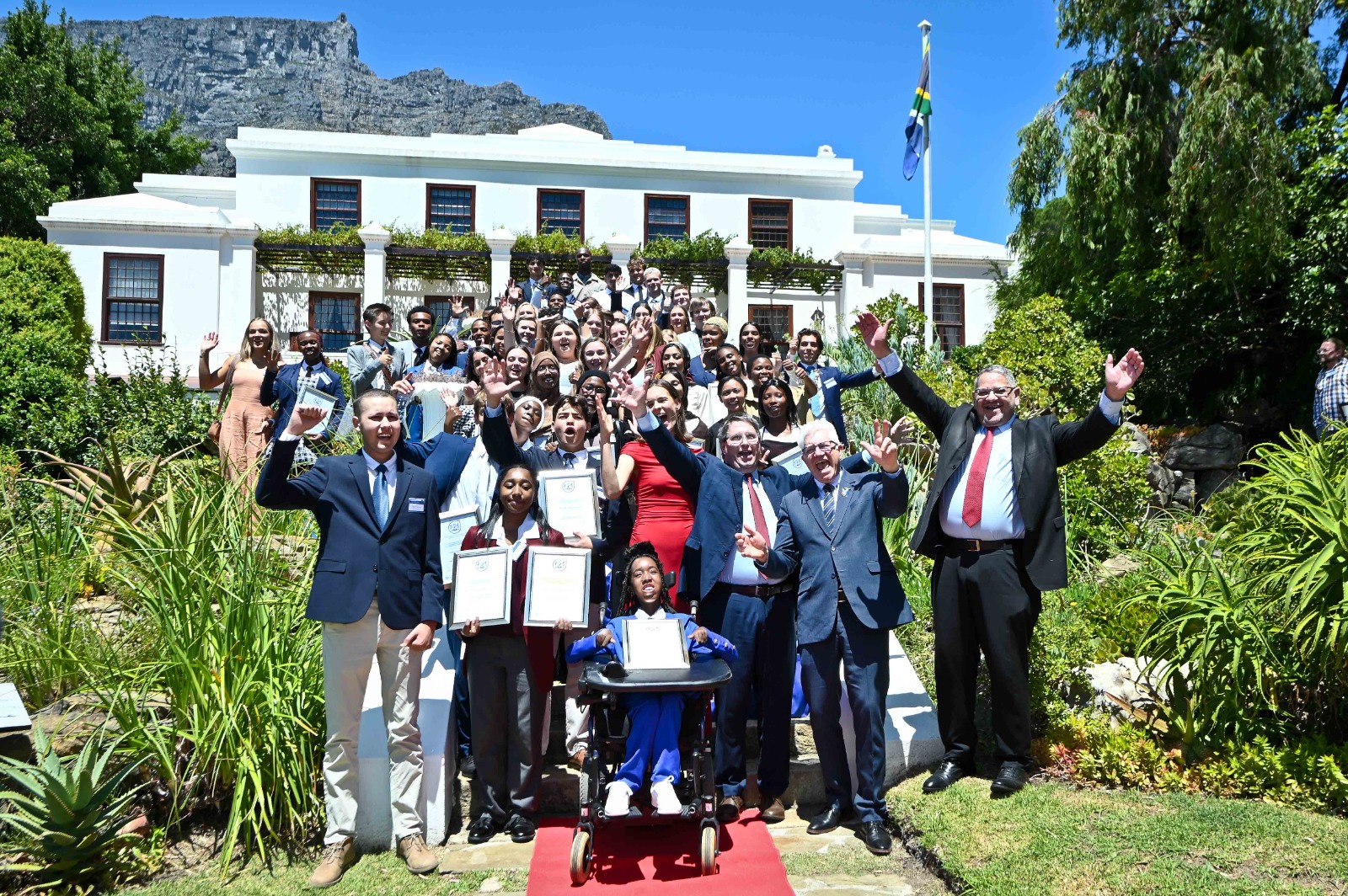
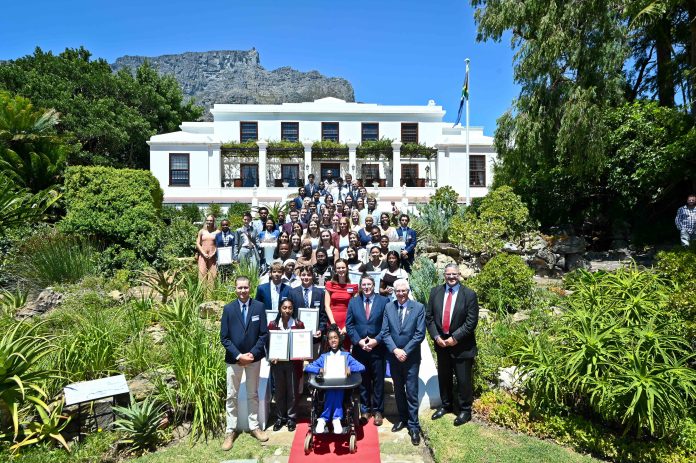
Top 2025 matric students at NSC awards ceremony

“Once again, records have been broken. This class proved that last year was not an outlier and that excellence can be sustained,” Maynier said.


But it was the message to the Matric Class of 2026 that resonated most strongly.


“The challenge has been laid before you. We believe you can achieve even greater heights than the classes that have gone before you if you keep your head down, focus, and dedicate yourself throughout the year.”


Doomsday Clock ticks closer to catastrophe

doomsday clock
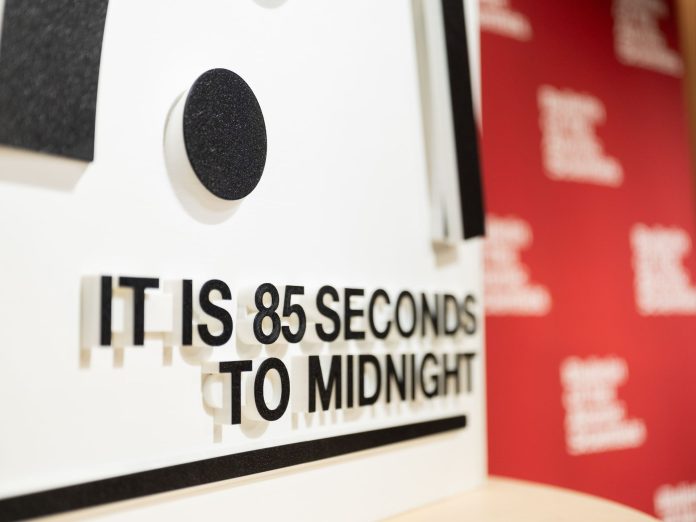
IMAGE: Bulletin of the Atomic Scientists/Facebook


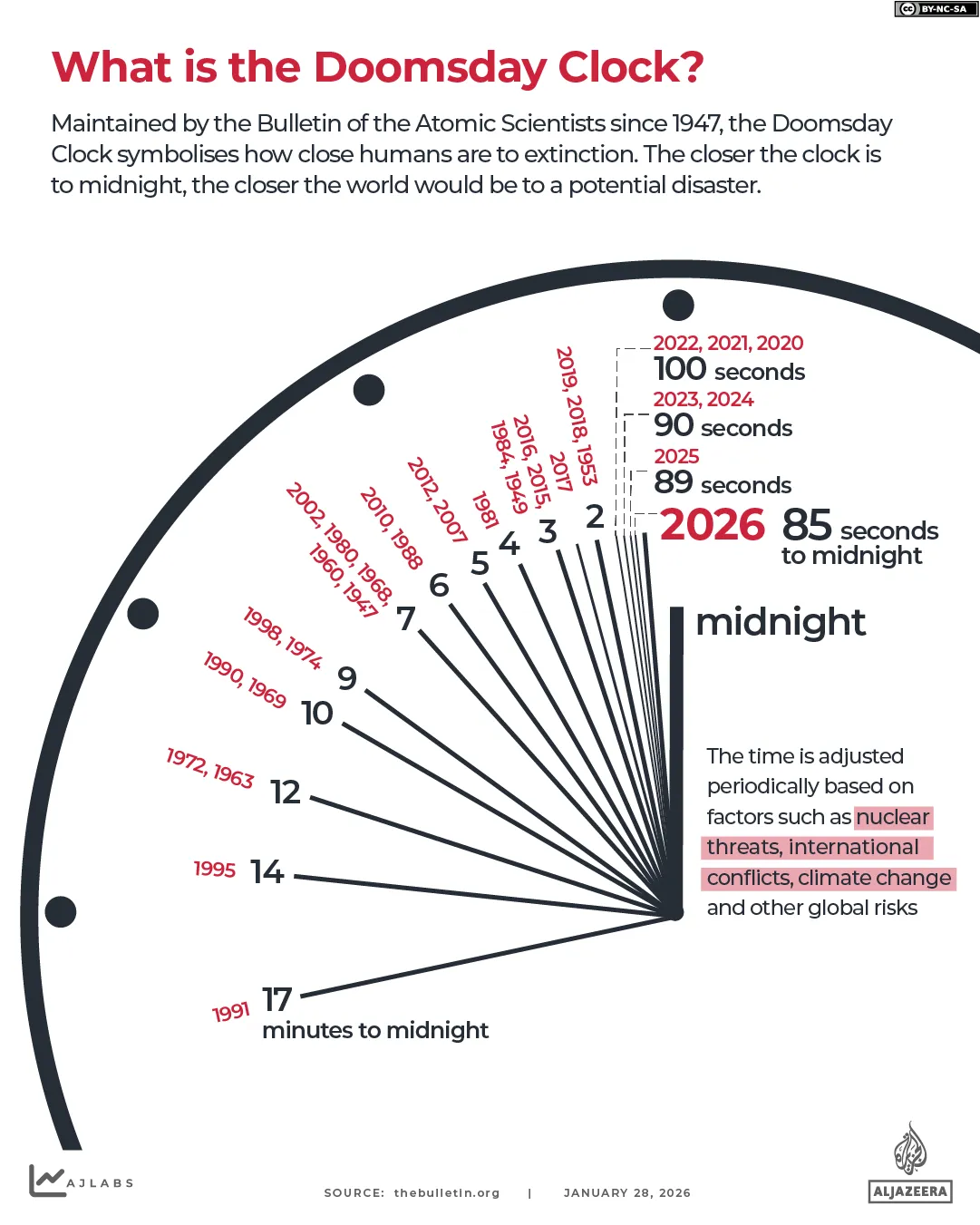
The world is four seconds closer to catastrophe, with the Doomsday Clock now 85 seconds to midnight.  


The clock was reset by the Bulletin of the Atomic Scientists’ Science and Security Board (SASB) on 27 January 2026 to reflect what it described as “the closest the Clock has ever been to midnight”. 


As such, the President and CEO of the Bulletin of the Atomic Scientists, Alexandra Bell, called for immediate action. 


“The risks we face from nuclear weapons, climate change and disruptive technologies are all growing. Every second counts, and we are running out of time,” said Bell.  


The clock was created in 1947 and is symbolic of the current state of humanity and to warn of the threats to it.  


According to the board, humanity is facing escalating, with threats driven mostly by human activity and political decision-making. 


The board said the world was already “perilously close to global disaster” a year ago but add that global leaders failed to change course. Instead, major powers have become “increasingly aggressive, adversarial, and nationalistic”. The clock was on 89 seconds last year.  


“Hard-won global understandings are collapsing, accelerating a winner-takes-all great power competition and undermining the international cooperation critical to reducing the risks of nuclear war, climate change, the misuse of biotechnology, the potential threat of artificial intelligence, and other apocalyptic dangers,” the SASB statement read.  


The statement highlighted rising nuclear dangers, pointing to ongoing conflicts involving nuclear-armed states and the breakdown of arms control agreements. It noted that the failure of leadership has increased the likelihood of catastrophe, prompting the decision to move the clock forward. 


Climate change was also cited as a major accelerant of global risk.  


Record global temperatures, rising sea levels, deadly heatwaves and widespread droughts and floods were presented as evidence that current responses are not enough.  


Emerging technologies, particularly artificial intelligence and advances in biotechnology, were flagged as additional dangers. The board called for “urgent action” to limit nuclear arsenals, establish international rules for AI, and strengthen cooperation to address biological threats. 


Graphic: Al Jazeera


READ MORE: It is now 85 seconds to midnight 

Interest Rate Hold Provides Stability For Property Market

municipal


The South African Reserve Bank’s decision to keep the repo rate unchanged has been welcomed by property market experts, who say the move provides stability and supports growing confidence among homebuyers.


With the repo rate holding at 6.75% and the prime lending rate at 10.25%, experts say the steady rate environment provides much-needed certainty for both homeowners and prospective buyers at the start of 2026.


Toni Anderson, Head of Home Services at Standard Bank, says the decision strengthens an already improving residential property market.


“While interest rates remain unchanged, the cumulative effect of earlier rate cuts has already begun to improve affordability and buyer sentiment. Since the easing cycle started towards the end of 2024, we’ve seen increased engagement from prospective homeowners, with steady home loan application activity reflecting renewed confidence in the market.”


Anderson notes that a stable rate environment allows buyers to plan more effectively and make balanced decisions. For sellers, it supports realistic pricing, which remains key to successful transactions.


She adds that holding rates steady gives households time to adjust to previous relief, while creating a supportive backdrop for a gradual recovery in housing demand across select regions. For buyers who have been waiting on the sidelines, this period of stability may offer a good opportunity to enter the market while affordability remains improved and competition is measured.


Gavin Lomberg, CEO of ooba Home Loans, agrees that the pause in rate changes supports positive momentum in the property sector.


“A steady interest rate environment, improved consumer affordability and competitive bank lending will continue to drive the acceleration of South Africa’s property industry throughout 2026.”


He points out that the market is still benefiting from the impact of six rate cuts since the easing cycle began, leaving lending rates significantly lower than they were just over a year ago.


According to Lomberg, improved affordability is already visible. He says that in the third quarter of 2024, before the first cut in the cycle, the average effective home loan rate for ooba customers was around 11.2%. By late 2025, improved bank concessions and lower rates had brought that down to about 9.6%.


This has translated into meaningful monthly savings. On an average bond of about R1.37 million, monthly repayments have dropped by roughly R1,500 compared to pre-cut levels, easing pressure on household budgets.


Lomberg says that while the Reserve Bank has struck a cautious tone due to global uncertainty, local conditions remain supportive.


“If inflation remains contained, the rand stays resilient, and fuel prices remain favourable, there is scope for further easing later in the year,” he says, adding that additional cuts could further stimulate demand from first-time buyers and existing homeowners.


error: Content is protected !!