14.4 C
Cape Town
Sunday, July 12, 2026
Home Blog Page 219

City Strengthens Mental Health Services Amid Teen Suicide Concerns

City Suicide Prevention


Concern over rising suicide attempts among teenagers has led the City of Cape Town to bolster its mental health and suicide prevention response.


The City reports that 24 children under the age of 18 were treated for suicide attempts in the 2024/2025 financial year, compared to 18 in the previous year.


Mayoral Committee Member for Community Safety and Health, Franchine Higham, says mental health screening for under-18s increased significantly, from 417 in 2023/2024 to 2048 in 2024/2025.


“Mental health visits for children and adolescents increased from 391 to 520 over the same period. Among adults, suicide attempts increased significantly from 50 to 139 cases, reinforcing the link between caregiver wellbeing and child mental health.”


Higham emphasised the importance of awareness programmes, stressing that they help reduce the stigma around mental health challenges and encourage young people to seek help timeously.


“Protecting our children’s mental health requires everyone to work together. When we care early, we prevent crisis later. Behind every number is a young person who is struggling and a family that is hurting. Teen suicide is not just a health issue, it is a societal issue that demands compassion, vigilance, and collective action.”


Strengthening prevention through school-based awareness


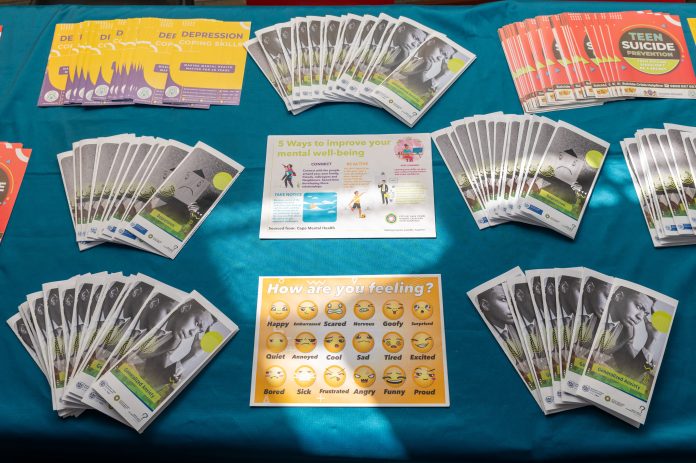
The City has embarked on a school awareness drive to promote teen mental health and suicide prevention. Higham says the programme focuses on not only providing support to those affected, but also addressing underlying challenges.
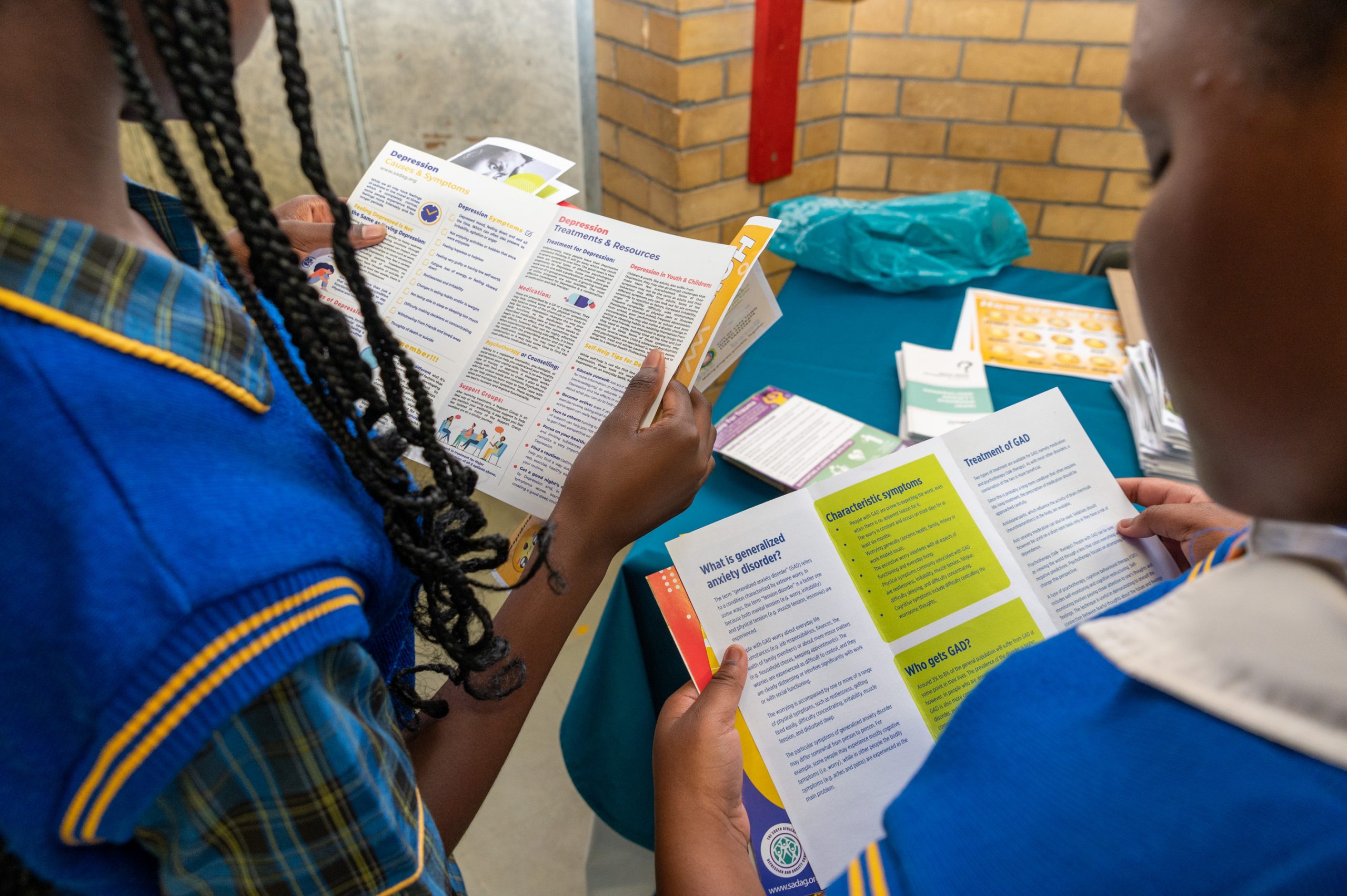
 

City Health hosted an event at Steenberg High School in Retreat

Help is available

Anyone experiencing emotional distress, or who knows someone in need of support, is encouraged to visit their nearest City Health facility or seek urgent assistance through emergency services.


 

Gang violence erupts in Muizenberg, ahead of SANDF deployment

muizenberg
credit: SAPS


Residents in parts of Muizenberg are living in fear as gang-related shootings continue to plague neighbourhoods, including Village Heights in Hillview and Vrygrond. 


The latest violence comes as Cape Town awaits the imminent deployment of the South African military to assist in stabilising gang-affected communities. 


ALSO READ: Mixed reactions as SANDF to be deployed to gang-plagued areas – Smile 90.4FM


On Tuesday afternoon, two people were shot and wounded in Village Heights, Hillview.  


“The SAPS Muizenberg Station Commander, Lieutenant Colonel Nokwanda Harmans, confirms that an attempted murder incident occurred on Tuesday, 17 February 2026, at approximately 14:14 in Village Heights, Hillview,” said the Muizenberg Community Policing Forum (CPF) in a statement. 


According to the Muizenberg CPF, reports suggest that four suspects opened fire on individuals believed to be affiliated with a local gang. Two victims sustained multiple gunshot wounds.  


“One victim was shot in the right hand, while another sustained gunshot wounds to the legs.”  


Police said the suspects were travelling in a silver Honda, which was later abandoned at the scene before they fled on foot.  


“The motive for the attack is believed to be gang-related. The incident is currently under investigation by SAPS Muizenberg,” the CPF said, noting that no arrests have been made. 


Just hours prior, a 15-year-old boy was shot and killed on Harmony Road in Vrygrond.  


The CPF confirmed that the incident occurred on 16 February at approximately 22:00. 


Officers found the teenager with multiple gunshot wounds, who was declared dead on the scene.  


Police investigations into both incidents are ongoing, with authorities urging residents to come forward with information as efforts intensify to curb escalating gang violence in the area.

South Africa’s sugar industry facing collapse – SA Canegrowers

sugar


SA Canegrowers has called for urgent, high-level government intervention to stabilise South Africa’s struggling sugar industry, warning that thousands of jobs and rural economies are at risk if immediate action is not taken.


In a statement released on Friday, the industry body, which represents about 27,000 small-scale and 1,100 large-scale sugarcane growers, confirmed it has formally written to President Cyril Ramaphosa and several Cabinet ministers requesting coordinated support to address what it describes as a growing crisis.


The call comes ahead of a provisional liquidation hearing involving sugar producer Tongaat Hulett scheduled for 27 February, which growers say could have far-reaching consequences for the entire sugar value chain.


SA Canegrowers said the sector is under severe strain due to multiple challenges, including uncertainty around Tongaat Hulett’s milling operations, rising sugar imports and the continued impact of the Health Promotion Levy.


According to the organisation, Tongaat Hulett’s mills are critical infrastructure, serving about 18,000 growers who have no viable alternative facilities to process their sugarcane.


The group warned that a collapse of the company’s operations could result in an estimated 40,000 direct job losses and widespread economic disruption in rural communities, particularly in KwaZulu-Natal and Mpumalanga.


SA Canegrowers chairperson Higgins Mdluli says the cost of stabilising and preserving these operations is materially lower than the long-term social, fiscal and industrial cost of rebuilding a collapsed value chain.


He added that the issue extends beyond a single company.


“For this reason, Tongaat Hulett’s operational continuity has become a matter of systemic economic stability. Urgent, coordinated government intervention is required to prevent a failure whose consequences would extend far beyond a single company.”


Among its proposals, SA Canegrowers has urged government departments to review sugar import pricing measures, ensure the continued operation of Tongaat Hulett’s mills, scrap the Health Promotion Levy, and recommit to the Sugarcane Value Chain Master Plan 2030.


PHOTOS: A rare Antarctic visitor to the Cape’s shores

seal


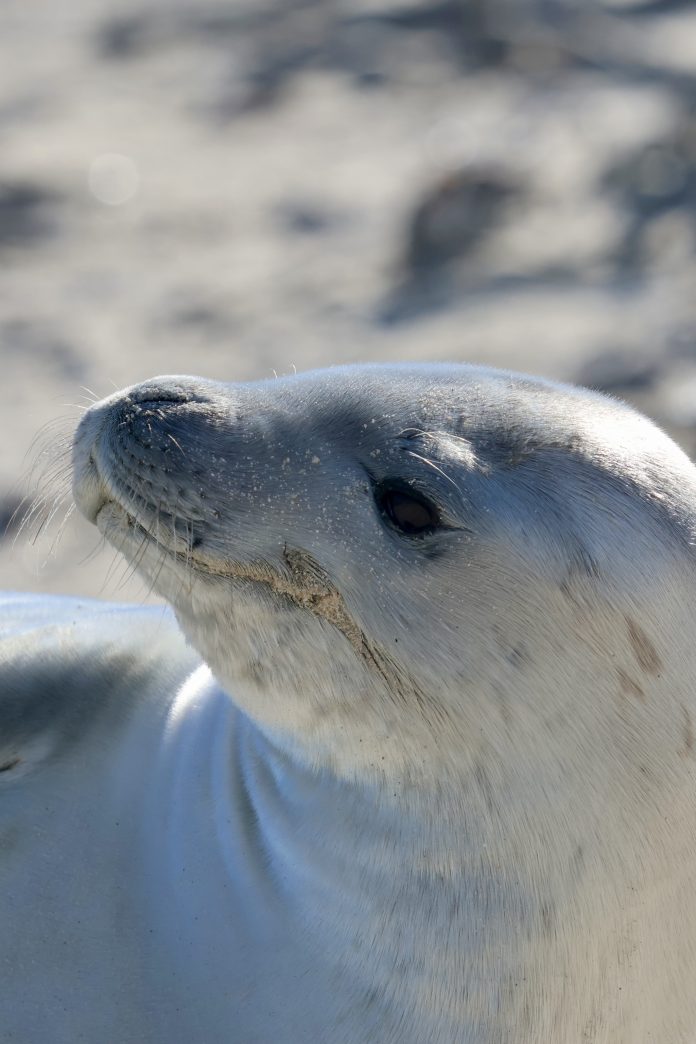
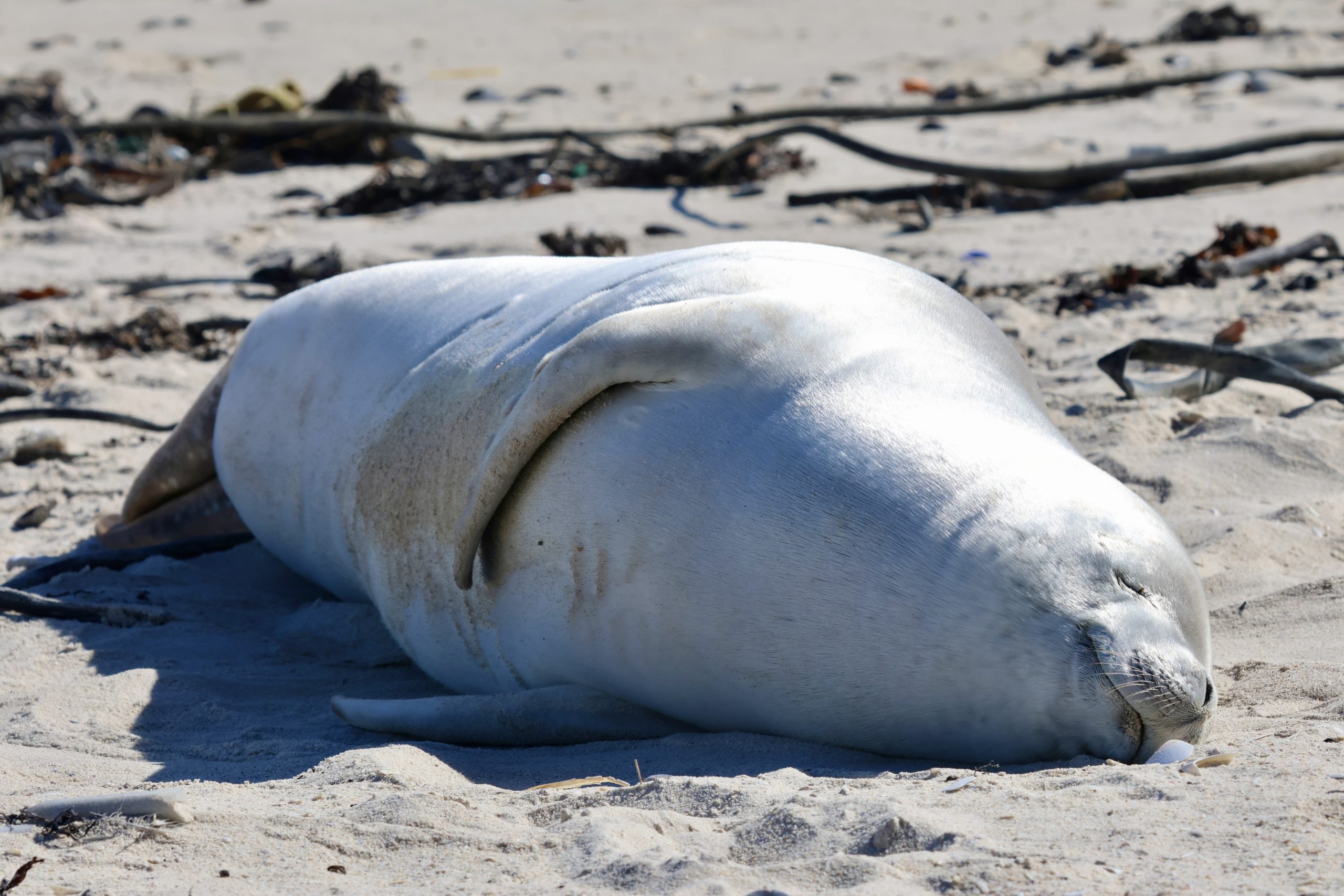
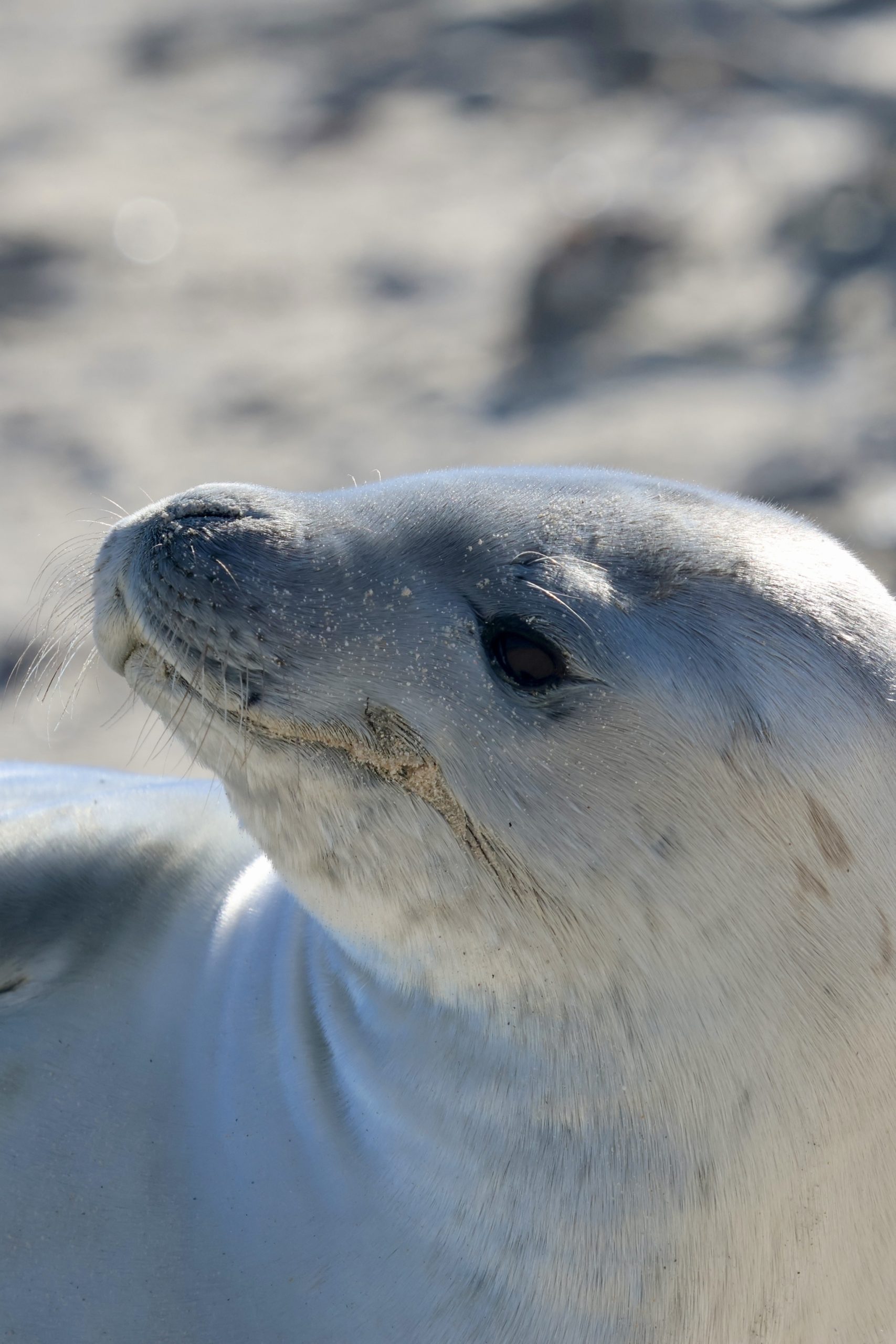
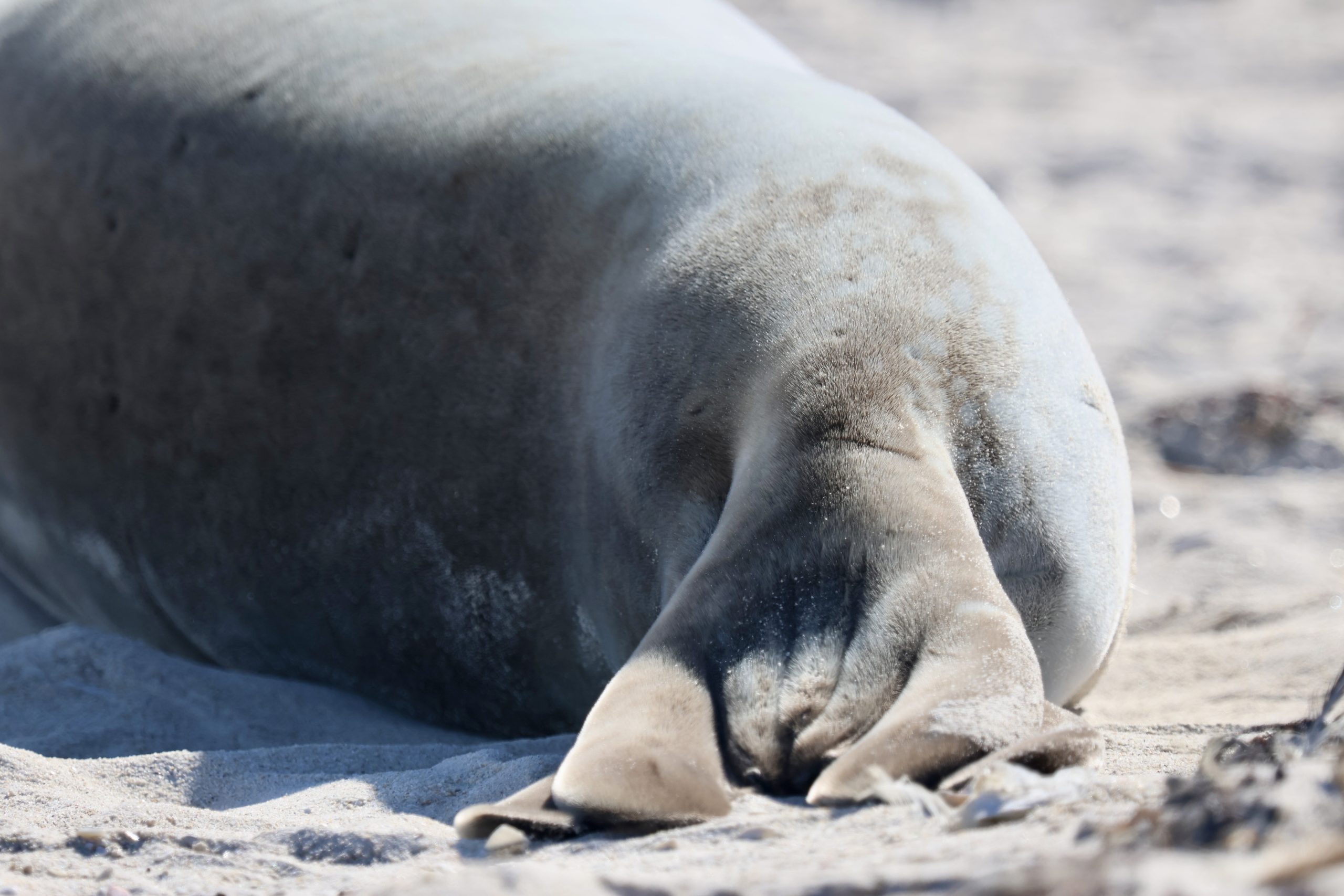
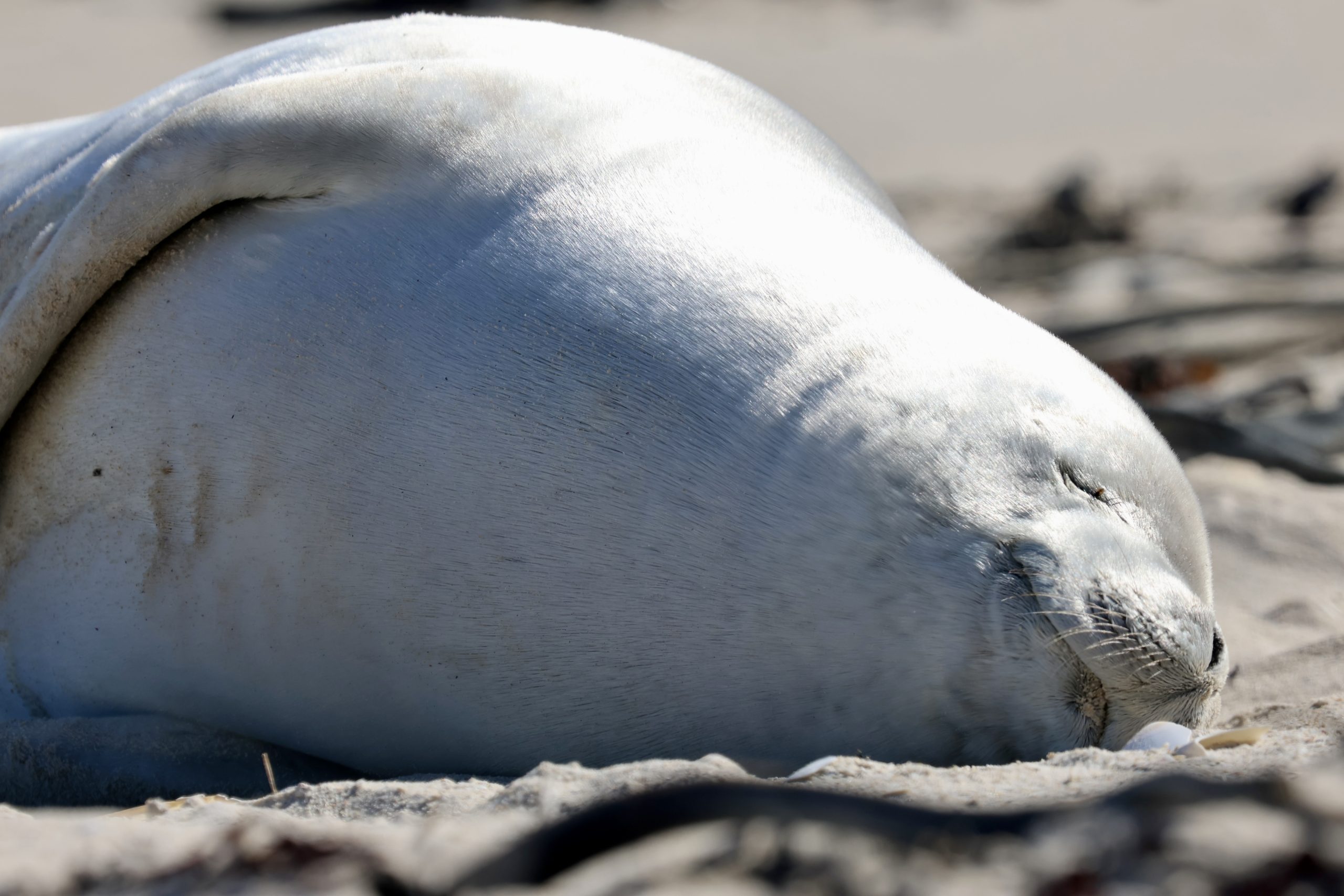
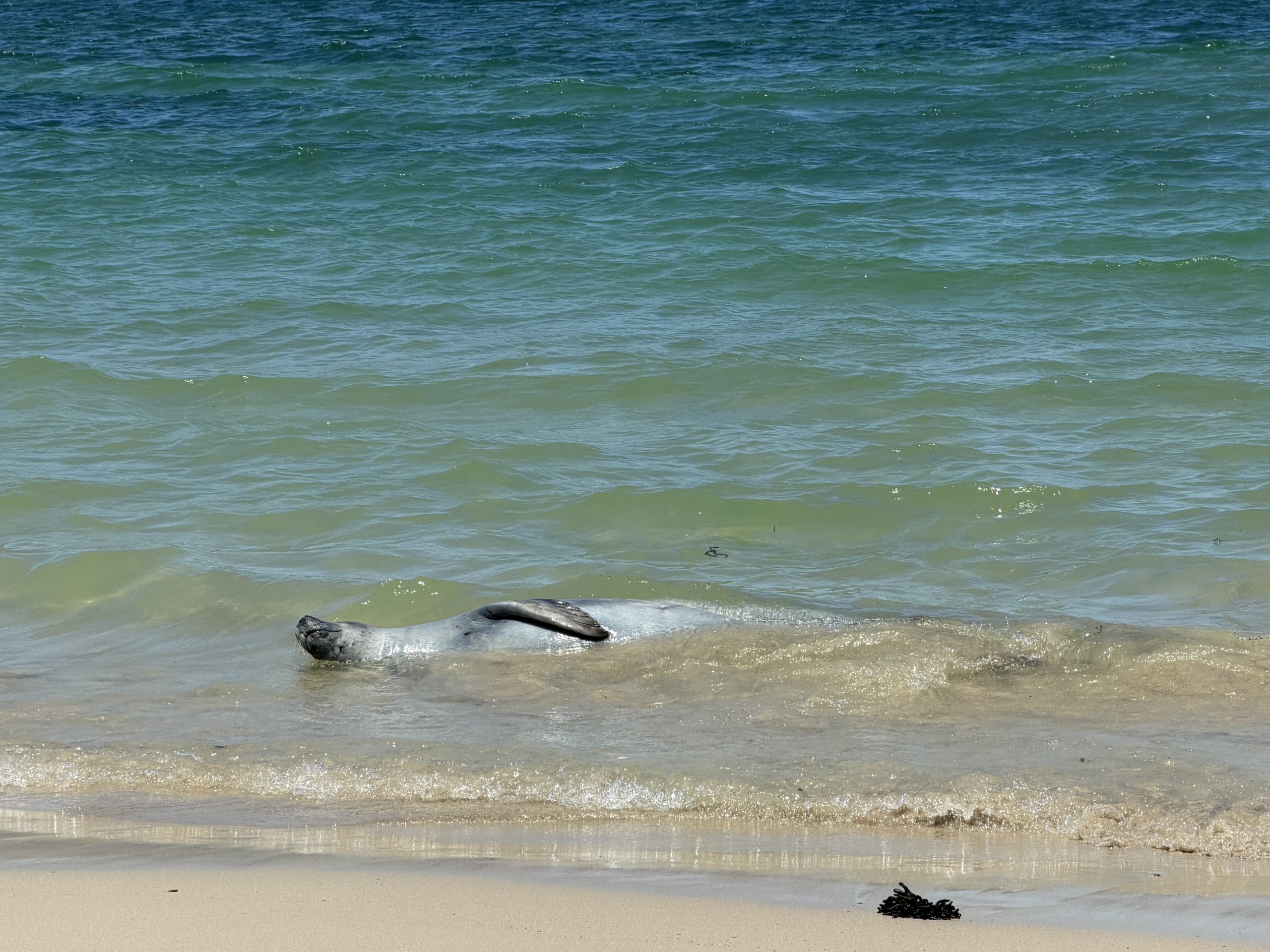
An unusual visitor from Antarctica has been spotted along the Cape’s coastline this week. A female crabeater seal, a species seldom seen in South African waters, was initially sighted at Baden Powell Drive and later in the Strand area.


The Two Oceans Aquarium Wildlife Team quickly sprang into action, following reports of the first sightings, launching a collaborative response to ensure the safety of both seal and humans alike.


The Aquarium says this remarkable animal has travelled an estimated 4,500 kilometres from her Antarctic home, journeying even further than the southern elephant seals that have visited our shores in recent years.


Gregg Oelofse, Coastal and Environmental Manager for the City of Cape Town, says the City is very lucky to have these amazing animals visit our shoreline.


“We appeal to all members of the public to please leave them alone, respect their space, and view them from a distance. They don’t need help, food, or water – the best we can do for them is give them peace and space.”


Guidelines for viewing wildlife


Members of the public are urged to follow these important safety rules when encountering seals or other marine wildlife:


  • Respect their space by staying at least 20 metres away.
  • Observe barriers – remain behind any cordoned-off areas.
  • Do not pour water over the seal, as this causes unnecessary stress.
  • Minimise noise and movement to keep the environment calm.
  • Keep dogs on leashes to prevent unexpected animal interactions.


With Crabeater seals, there is always heightened concern when they are observed ingesting sand. As a species not naturally adapted to South African coastal conditions, such behaviour may reflect stress or disorientation.


Tragically, sand ingestion can lead to serious gastrointestinal complications and has been recognised as a cause of mortality in individual vagrant seal species. There is no immediate concern for this individual seal; however, experts will continue to monitor her for any change in behaviour or condition.


A rare opportunity for learning


Vagrant seals appearing along the Cape coastline underscore the importance of public awareness and established safety protocols for the benefit of both wildlife and people.


This sighting serves as a powerful reminder: Crabeater seals are not just distant Antarctic curiosities. On rare occasions, they appear along our shores, offering a unique opportunity to observe and learn about a species very different from our familiar Cape fur seals.


As a precautionary measure, the team administered a rabies vaccination to the seal. This forms part of a broader seal vaccination study currently being implemented for Cape fur seals and other vagrant seal species, including elephant seals.


Given that crabeater seals travel vast distances and interact with numerous marine species in the Southern Ocean, vaccination is a proactive step to reduce potential disease transmission risks.


The team also flipper tagged the seal for identification purposes.


Ramaphosa defends BEE in SONA debate reply as DA pushes back

ramaphosa


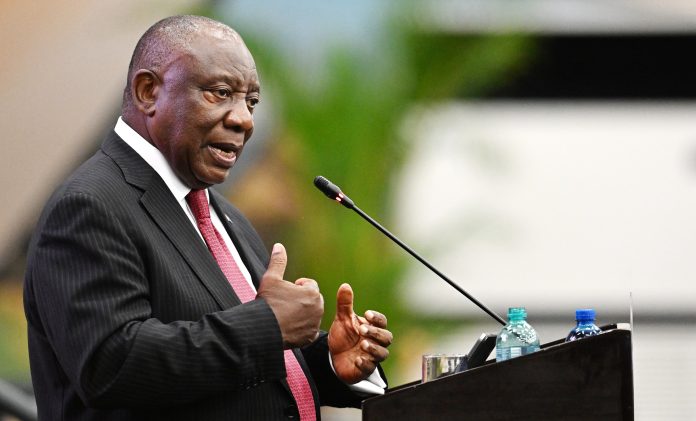
President Cyril Ramaphosa has strongly defended Broad-Based Black Economic Empowerment (BEE), saying economic transformation remains essential to correcting the injustices of apartheid and reducing inequality in South Africa.


Speaking during his reply to the State of the Nation Address (SONA) debate in Parliament, Ramaphosa criticised calls to scrap BEE, arguing that the country’s Constitution requires deliberate action to address historical exclusion.


“We cannot do that without transforming our economy,” Ramaphosa said. “It cannot be acceptable… for African people, coloured people and Indian people to be poorer and have fewer opportunities than white people.”


The president rejected claims that BEE benefits only a select few or harms economic growth, pointing to what he described as measurable progress since the policy’s introduction.


He said black African household incomes grew by 46% between 2006 and 2023, while poverty levels among black South Africans declined significantly over the same period.


“Now is not the time to abandon BEE. Now is the time to make it more effective,” he told MPs, adding that government is reviewing the empowerment framework to strengthen inclusive growth.


Ramaphosa also emphasised unity within the Government of National Unity (GNU), saying ministers serve collectively rather than representing party interests in Cabinet.


“During the course of this debate, MPs have spoken on behalf of their political parties. When they are out on the streets, they campaign for their parties. But in Cabinet, there are no parties. There are no ANC or DA or IFP or PA or UDM or GOOD or FF Plus or PAC or Al Jama-ah ministries. Every Minister and Deputy Minister is part of a collective, working together to implement a common programme, the Medium Term Development Plan. No Minister or Deputy Minister should be claiming their work in the GNU as an achievement
of their party.”


However, the Democratic Alliance (DA), the second-largest party in the GNU, has sharply criticised the president’s stance, warning that the issue could deepen tensions within the coalition government.


In a statement responding to the speech, DA leader John Steenhuisen said the party “reject[s] the protection of BEE, which has benefited only politically connected elites at the expense of the poor.”


“We will continue to fight for an alternative that creates a more inclusive economy for all,” Steenhuisen said, adding that the DA’s proposed Economic Inclusion for All Bill aims to replace race-based empowerment policies with measures focused on poverty reduction and job creation.


While reaffirming its commitment to the GNU, the DA said participation in the coalition does not mean “passive support,” and that it would continue pushing for faster economic reforms, including energy market restructuring, merit-based public appointments, and policies aimed at boosting investment and growth.


The debate highlights ongoing policy differences within the GNU, particularly over how best to address inequality while accelerating economic growth.

error: Content is protected !!