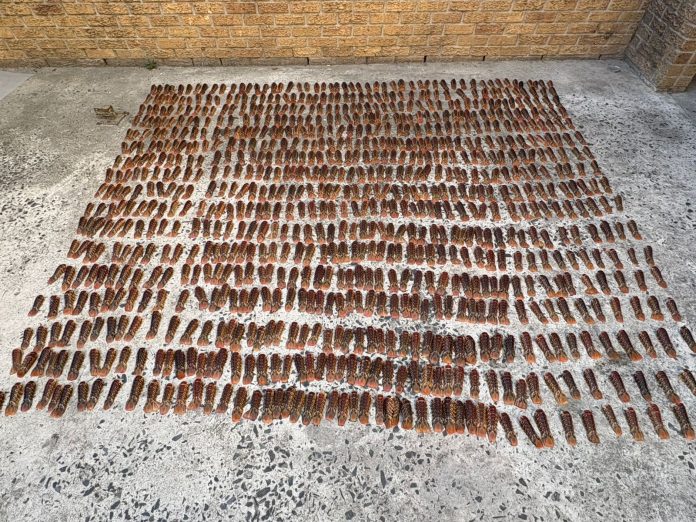
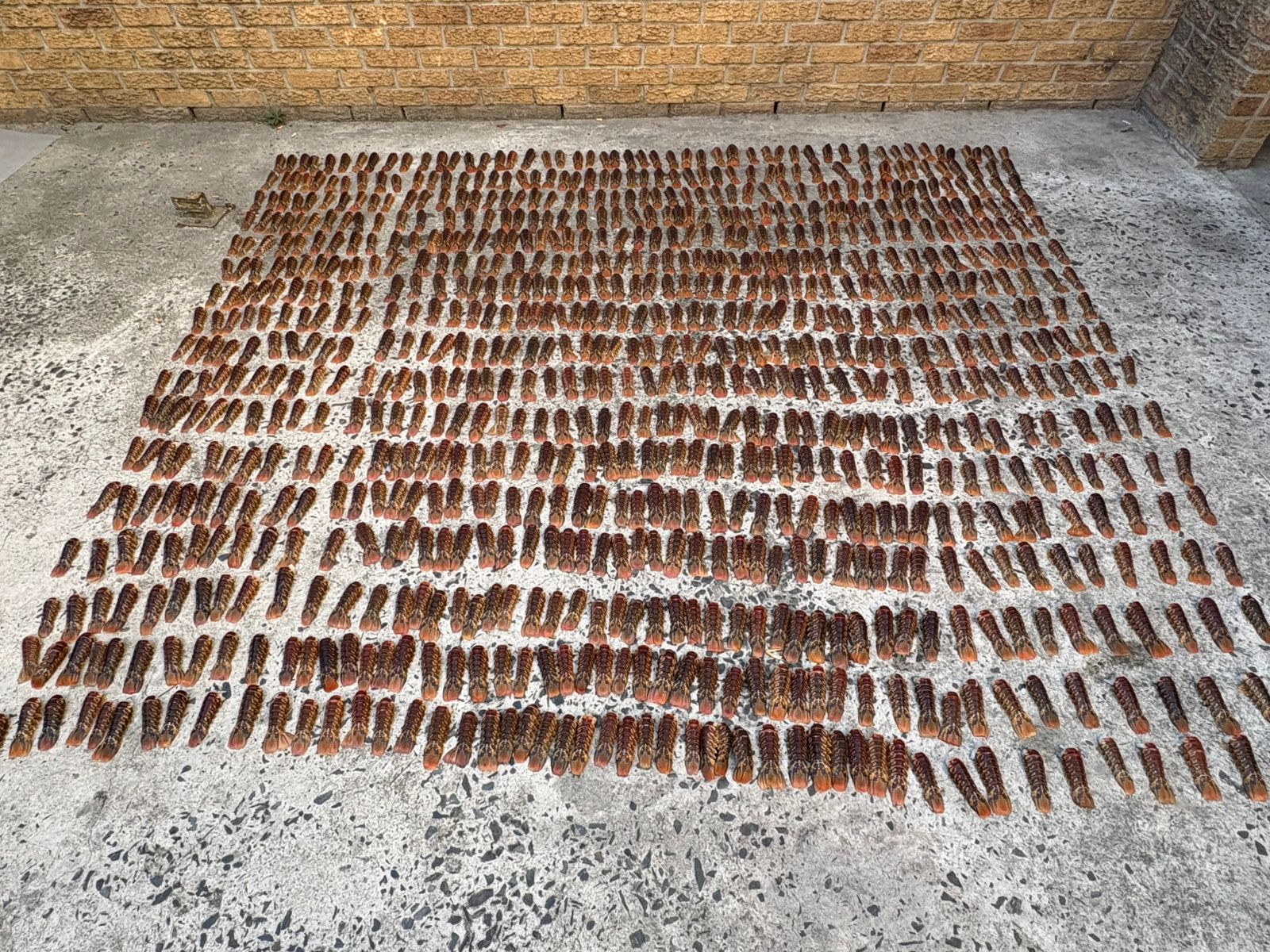
Law Enforcement Marine and Environmental Unit officers have arrested several suspects in separate operations across Cape Town for the illegal possession of West Coast rock lobster tails.
Officers were conducting patrols in the Parow industrial area yesterday when they noticed a suspicious vehicle. The driver appeared visibly uncomfortable, prompting officers to stop and search the bakkie. The City’s Law Enforcement spokesperson Wayne Dyason says upon further investigation, 1000 West Coast rock lobster tails were uncovered.
“The officers asked the driver to open the back of the bakkie and found a bucket filled with West Coast rock lobster tails. The driver, a 41-year-old, and his passenger, a 39-year-old, both from Ravensmead, were arrested and charged at Ravensmead SAPS for possession of 1000 West Coast Rock lobster tails without a permit and not kept in a whole state as per the Marine Living Resources Act. The vehicle was also impounded along with a firearm and 16 rounds of ammunition.”
Dyason says during a separate incident on the same day, Marine and Environmental Unit members, supported by the South African National Defence Force (SANDF), conducted surveillance at a house in Hanover Park where lobster tails were allegedly being sold.
“The officers then saw positive movement and decided to conduct an inspection. When entering the premises, a male confronted them, and he was asked what was being sold on the premises. He replied, only fish. The officers then asked permission to search the fridges and found bags containing West Coast rock lobster tails.”
A 48-year-old man was arrested.
In another operation on Saturday, officers conducted patrols in the Bishop Lavis area and followed up on intelligence about fish being sold at a residence in the area.
“At the property, officers requested invoices for the fish being sold, which the owner could not produce,” said Dyason.
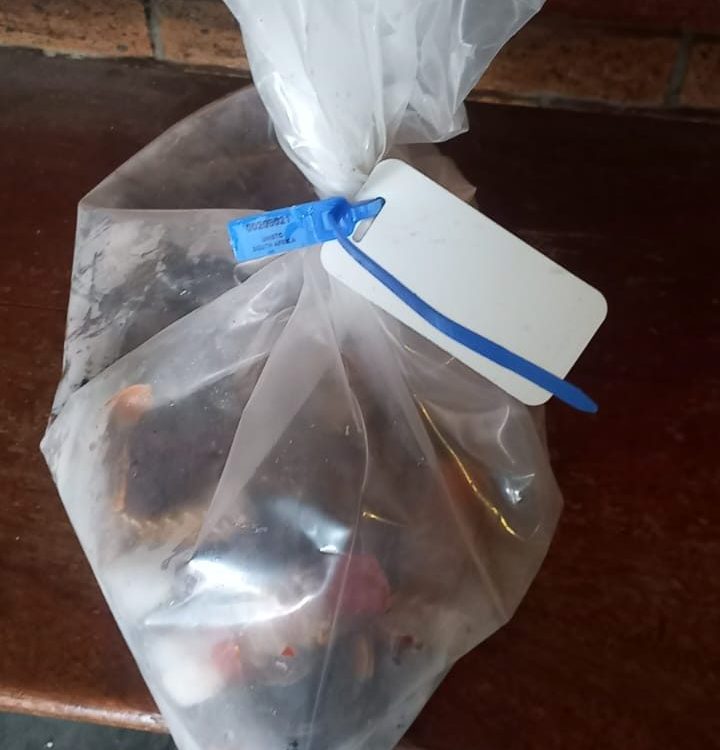
Officers then discovered two bags containing West Coast rock lobster tails. The 33-year-old suspect was arrested and charged with possession of 91 lobster tails without a permit and for failing to keep them in a whole state, in contravention of the Marine Living Resources Act.
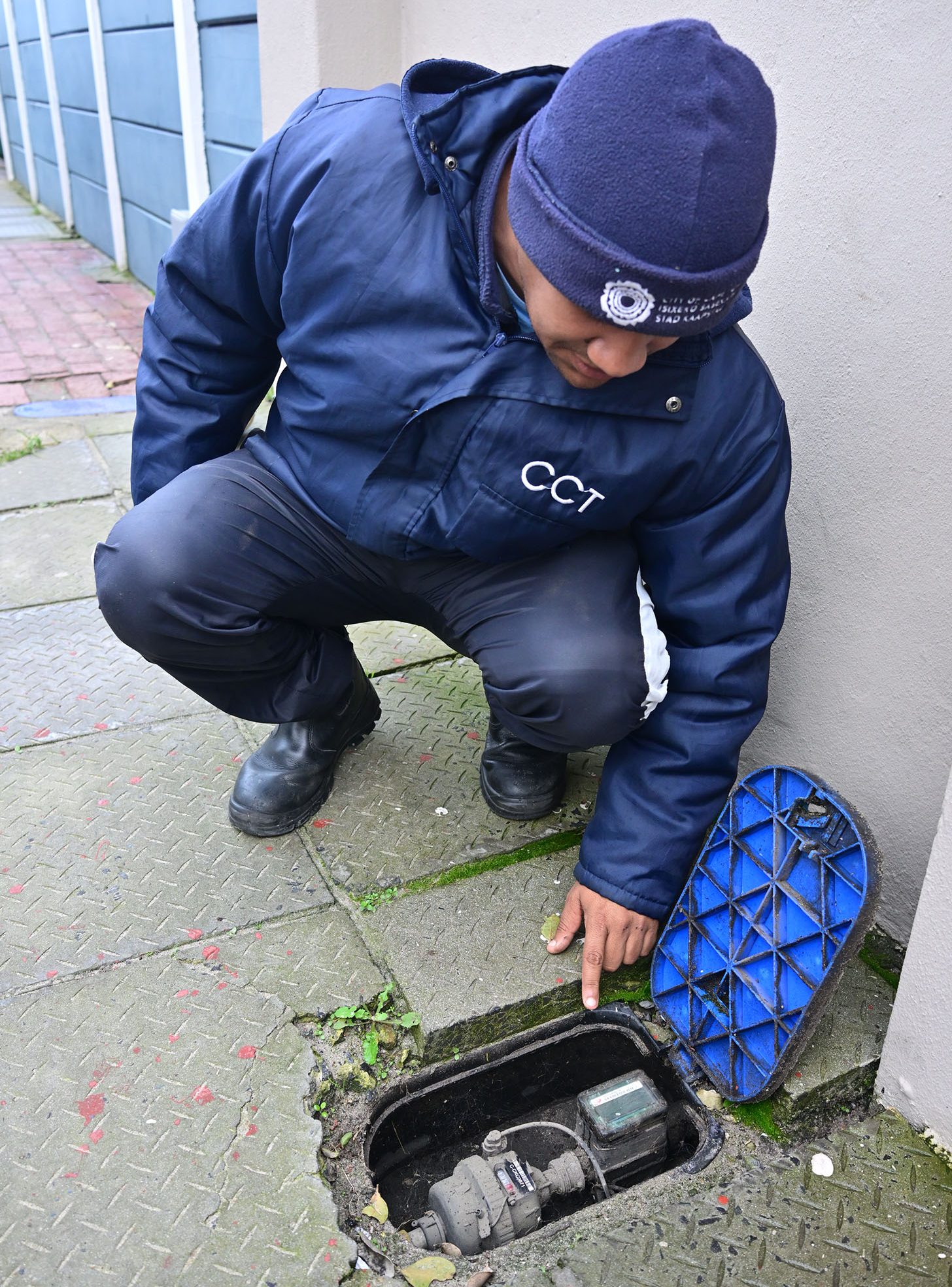
Thousands of mechanical water meters will be replaced in the City from this month. These meters will be replaced with smart, modern metering technology.
“This is a large-scale initiative to enhance water management and service delivery using modern water metering technology,” says Badroodien.
Thousands of mechanical water meters will be replaced in the City from this month.
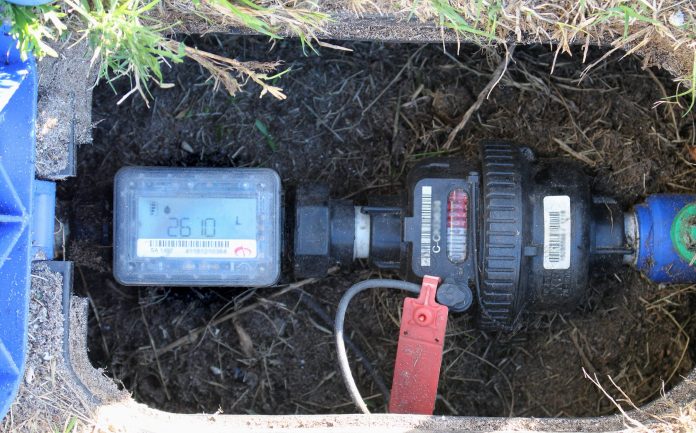
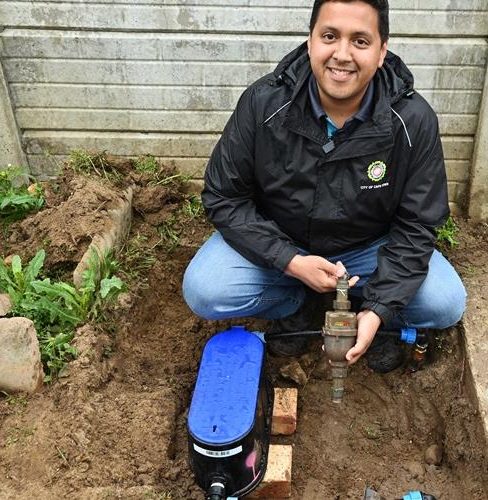
The City’s Advanced Metering Infrastructure (AMI) programme has officially launched this month. This follows the appointment of a contractor to replace about 83 000 mechanical water meters with smart, modern metering technology.
The City’s Mayoral Committee Member for Water and Sanitation, Zahid Badroodien, says almost R1,1 billion is being invested in the first phase of the AMI project. This will result in early detection of water leaks as well as automated system readings for customers. You can also expect easy tracking of daily water consumption on properties.
“This is a large-scale initiative to enhance water management and service delivery using modern water metering technology,” says Badroodien.
First advanced water meter installations kick off in the third week of April
Badroodien says over the next decade, over 680 000 of the City’s existing mechanical water meters will be replaced by smart AMI water meters. This will be done along with the necessary supporting infrastructure to move the City’s metering system into a more modern digital world.
“This is a large-scale initiative to enhance water management and service delivery using modern water metering technology,” says Badroodien.
The programme is scheduled to be implemented in two phases:
The first phase will run for three years from April 2026 to February 2029, deploying about 83 000 smart meters in 170 areas citywide. The R1,1 billion investment has been provisioned for this phase of the project.
The second phase will be to replace the balance of the meters and is currently earmarked to continue up until June 2040. This strategic approach aids in costs over time, and installation progresses gradually based on available budget.
Water-saving and environmental benefits
By optimising the City’s water resource management and minimising water losses through early detection of leaks, the AMI programme supports water resilience, sustainability and addresses operational challenges. It also enables efficient and accurate revenue collection for an all-round solution. This will boost efficiency and demonstrate the City’s commitment to responsible water management.
Customer-centric solution with money-saving potential
One of the primary drivers of the AMI programme is to ensure more accurate billing and trust in its customer services. Upgrading to an automated, technological system will address complaints in manual readings that have resulted in customer dissatisfaction.
For the customer, AMI meters mean:
No more manual meter readings, resulting in increased privacy and security.
Automatic system readings eliminate human error.
Proactive system alerts, leak alarms, and anomalies are communicated directly to. customers via the City’s App, to reduce queries and provide the opportunity to save money.
The City’s App will provide remote access to detailed, transparent consumption data on your property. Further communication will be issued on the go-live date for this functionality.
Detailed consumption data gives customers an opportunity to adjust their consumption behaviour to reduce water usage and potentially generate savings.
Commercial benefits for landlords and tenants
Landlords can track their tenants’ water consumption and can identify risks to property –
damage if there is a suspected leak that could cause a burst later-
Beneficial for lessees who prefer being billed for actual usage
Evidence of actual consumption leads to fewer disputes
What can I expect if the meter on my property is being replaced?
Temporary water disruptions – the installation team may temporarily turn off your water to remove the old water meter and install the new smart AMI water meter.
During the installation process, you may experience low or no water pressure on your property.
No additional costs – installation and all associated costs are covered by the City of Cape Town as part of the budget allocated.
City contractors will need access to your property – the appointed contractor for the Water and Sanitation AMI project is PPD Engineering and Hardware Suppliers.
The programme also makes provision for new connections in terms of the approved tariff.
Safety precautions and identity verification of AMI installers
When the City carries out work in your area or schedules an appointment with you, all City staff and contractors are required to carry an identification card. This card will clearly display: the City logo, name and surname of the staff member or contractor. It will also show an embedded photograph of the staff member or contractor.
In addition, contractors are required to arrive in marked vehicles. They must wear company-branded uniforms and the required personal protective equipment (PPE). If unsure, residents are encouraged to call and verify the contractor and City staff. Contact the City’s Call Centre on 0860 103 089. You may also request the service order number to cross-check and validate.
It’s that time of year again when the South African National Defence Force is inviting the public to attend the SA Navy Festival 2026, taking place in Simon’s Town from 17 to 19 April.
The annual free event draws large crowds, with a packed schedule of entertainment and activities, running daily from 10 am to 5 pm along the scenic False Bay coastline.
Organisers say festivalgoers can expect a lively atmosphere, with opportunities to explore naval displays and enjoy the seaside setting.
As part of the Navy Festival celebrations, there will be a Gunnery Exercise and Pyrotechnics Night Firing at Lower North Battery on Saturday from 16:00 to 22:30.
Residents are also asked to take note that between 17 and 19 April, from 10:00 to 16:00, the SA Navy, in conjunction with the Cannon Association of South Africa, will conduct three 9-Inch Rifled Muzzle-Loading Gun firing from Middle North Battery and the East Dockyard with intervals.
Meanwhile, to ease travel, Metrorail has again made additional trains available.
Trains will be running between Cape Town and Simon’s Town on Saturday and Sunday, offering visitors a coastal journey to the event.
Return trips are priced at R20, with organisers encouraging commuters to make use of rail transport.
Residents and visitors are urged to “bring your crew” and take part in what is expected to be a vibrant weekend celebration.
Snippets from the video, which is linked below. The faces of those involved have been blurred.
The private security company, ZoneWatch, has confirmed that one of its officers implicated in an alleged assault, that took place in the Plattekloof region, has been dismissed.
The owner of ZoneWatch Security, Thomas Blatherwick, confirmed in a statement that the man was fired with “immediate effect”.
“We can confirm that the security officer that assaulted the member of the public has been dismissed with immediate effect,” read the statement.
Blatherwich went on to say that investigations are still ongoing, adding that his company is working closely with police and the Private Security Industry Regulatory Authority (PSiRA) in their probes.
The incident did the rounds on social media last week, showing several private security officials kicking, stomping and hitting a man on the corners of Plattekloof Road and Rothschild Boulevard.
He added that medical and incident reports of the implicated officers have been handed to the police as part of their investigation.
Further to this, Blatherwick claims that rumours that the incident took place after one of them was attacked (and an attempt was made to take his firearm) have been “confirmed”.
“The attack on the officer was confirmed in a statement released on social media earlier this week by another security company.”
Meanwhile, he acknowledged that he did not condone the conduct of the security officers in the video, adding that operational procedures are being subjected to an internal review.
“We recognise that trust is earned through actions, and we are committed to demonstrating that through the steps we are taking.”
Blatherwick further advised that the other implicated officials remain suspended pending the outcome of the investigations.
He also expressed concern about the staff of ZoneWatch Security, who he said have received threats.
“We again appeal to members of the public to allow due process to take its course. We are concerned about threats directed at our staff and operations and urge that this matter be handled responsibly and within the law,” said Blatherwick.
By the time of publication, the Western Cape SAPS media office had not responded to queries on whether any arrests had been made yet and whether they had since interviewed the victim in the incident. In their initial statement on 8 April about the incident, Colonel Andrè Traut advised that the “victim has not yet been interviewed as part of the investigation”.
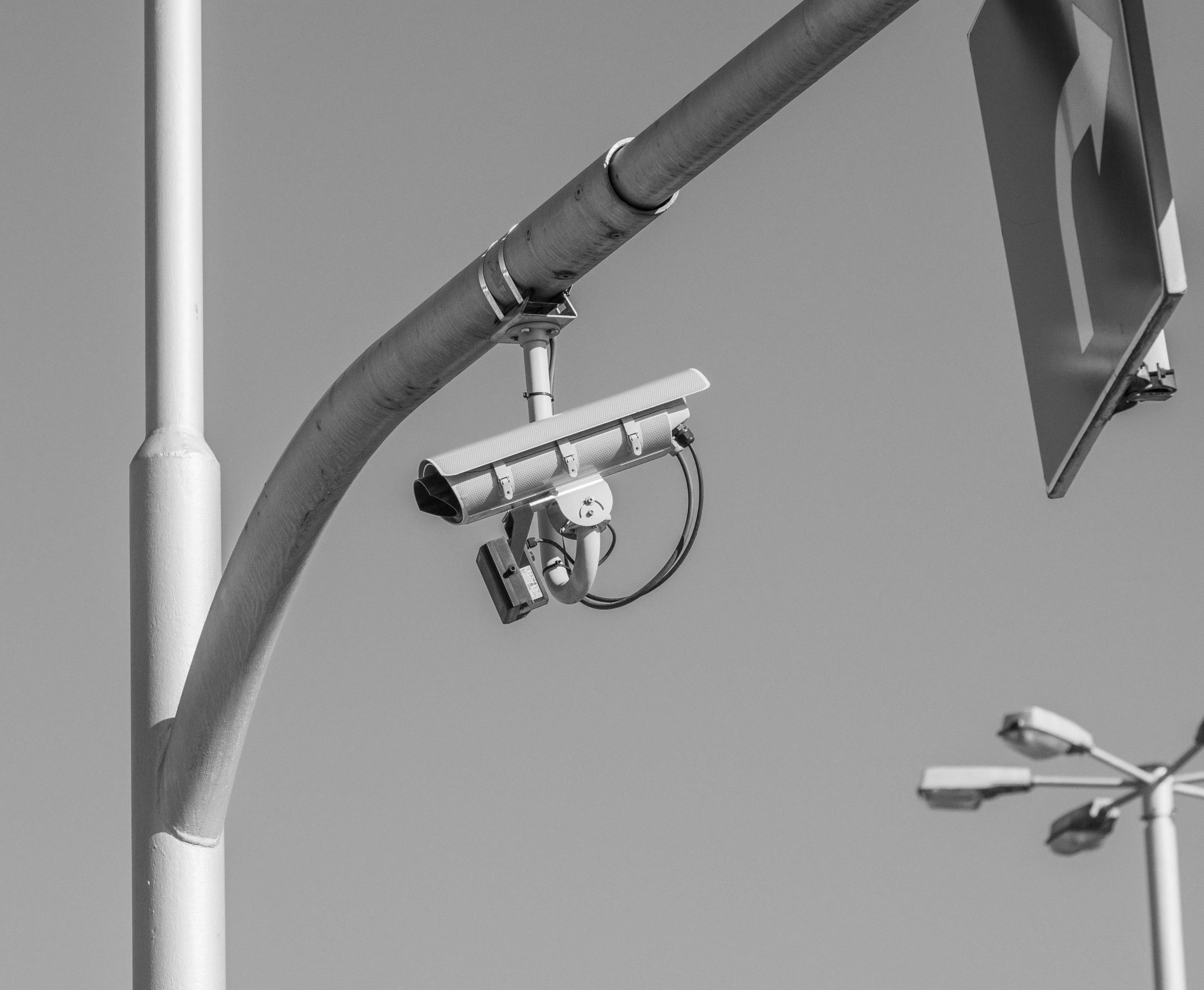
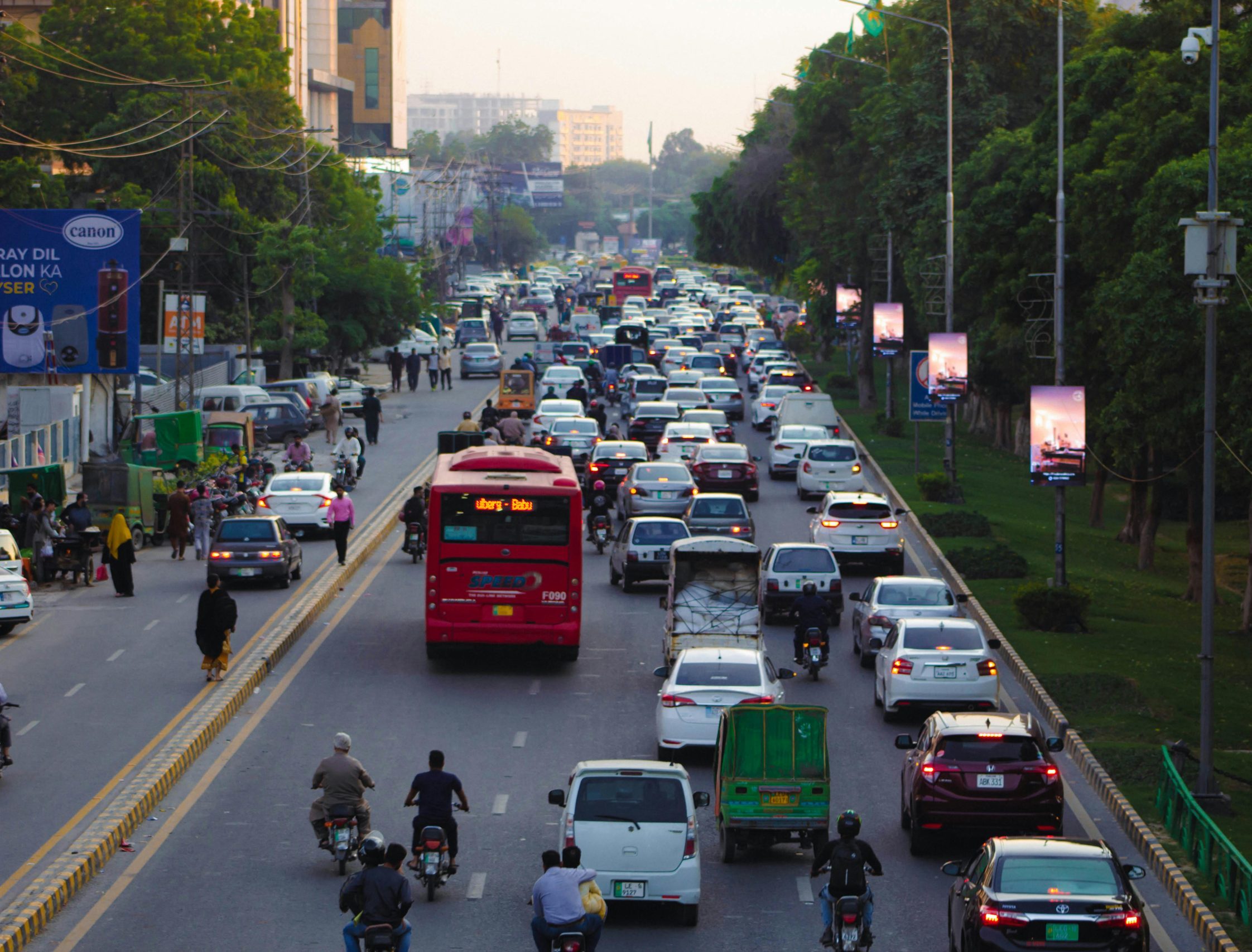
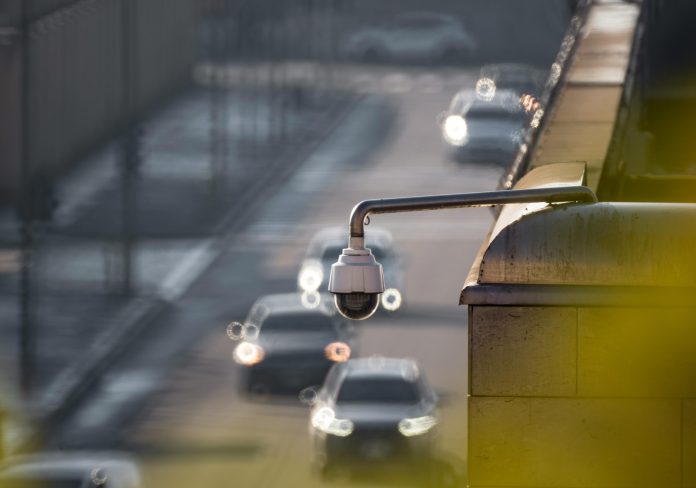
AI traffic cameras could change how motorists are fined. South Africa is entering a new phase of traffic enforcement as the City of Cape Town seeks legal approval to introduce artificial intelligence (AI) cameras capable of detecting seatbelt and cellphone violations.
“Compliance becomes less about avoiding roadblocks and more about consistently following the rules.”
AI traffic cameras: Fines SA warns drivers
According to recent reports, the proposed AI-powered system will automatically identify motorists driving without seatbelts or using their mobile phones behind the wheel – two of the most common and dangerous road offences.
For Fines SA, the development marks a broader shift in how road safety will be managed in the country: from reactive, human-led enforcement to automated, always-on compliance monitoring.
“This is a significant moment for road safety in South Africa. AI doesn’t get tired, it doesn’t get distracted, and it doesn’t negotiate at the roadside. It simply records the offence,” says Barry Berman, CEO of Fines SA.
Historically, enforcement has relied heavily on visible policing, roadblocks, and officer discretion. AI-driven monitoring changes that dynamic entirely.
Prepare for faster, automated enforcement, says Fines SA: AI traffic cameras
Automated systems operate continuously and consistently. There are no warning waves, no leniency, and no margin for ‘I didn’t realise’.
Berman says, “Motorists are used to thinking that enforcement is something they encounter occasionally. AI changes that mindset. It creates certainty. If you are not wearing a seatbelt or you’re on your phone while driving, the system will detect it.”
While some may view the technology as intrusive, Fines SA believes the long-term impact could be positive, particularly when it comes to behavioural change.
“Consistent enforcement is one of the most effective ways to change driving behaviour,” Berman explains. “When consequences are predictable and unavoidable, habits start to shift. And ultimately, that’s what improves road safety.”
This technological shift
This technological shift is unfolding alongside broader traffic law reforms, including the planned rollout of AARTO and its national demerit system. The introduction of AI enforcement also raises a practical issue: many motorists only discover they have outstanding fines when attempting to renew their licences or when stopped at a roadblock. As enforcement becomes faster and more automated, the window between offence and escalation may shrink.
“Incorporating technology not only detects offences more efficiently, but it also integrates into digital systems that process fines faster,” says Berman. “That means motorists have less time to correct mistakes before penalties escalate to summonses, licence renewal blocks, or additional costs.”
Photo by SHOX ART. (Pexels)
Fines SA positions itself as a compliance partner in this evolving environment, helping motorists track, manage and resolve fines proactively.
“Technology is making it harder to break the rules”
Beyond financial implications, Fines SA believes AI enforcement could reduce roadside conflict and uncertainty. “AI removes emotion and subjectivity from the equation,” Berman says. “There’s less room for argument because the evidence is captured digitally. That transparency can actually protect both motorists and officers.”
“Technology is making it harder to break the rules, but it should also make it easier to stay compliant,” says Berman. “When motorists check their fine status regularly and act early, they can often qualify for early payment discounts, avoid unnecessary legal action, and eliminate the stress of last-minute surprises.”
Once AARTO is fully implemented, repeat offences may also carry demerit implications, further reinforcing the importance of proactive compliance.
With national conversations around the broader AARTO rollout and increased integration between municipal systems, the message from Fines SA is clear: ignoring fines is no longer a viable strategy.
“The era of fines disappearing into the system is coming to an end,” says Berman. “Enforcement technology is advancing rapidly, and motorists need to adjust their approach. Being law-abiding is no longer just about avoiding speed traps, it’s about staying informed, organised, and in control of your driving record.”
Photo by Zaki Zakria. (Pexels)
AI traffic monitoring will expand
Fines SA encourages motorists to adopt a proactive compliance mindset as AI traffic monitoring expands.
Wear a seatbelt at all times.
Never use a cellphone while driving.
Regularly check for outstanding fines.
Settle fines as soon as possible to potentially qualify for discounts (where applicable).
Resolve issues before they escalate to summonses or licence blocks.
“AI enforcement is not about catching people out,” Berman concludes. “It’s about creating safer roads through consistent accountability. Motorists who stay proactive will experience fewer costs, less stress, and greater peace of mind.”
As South African cities explore smarter enforcement tools, one thing is certain: the future of road safety will be digital, and preparation will be key.


 Dyason says during a separate incident on the same day, Marine and Environmental Unit members, supported by the South African National Defence Force (SANDF), conducted surveillance at a house in Hanover Park where lobster tails were allegedly being sold.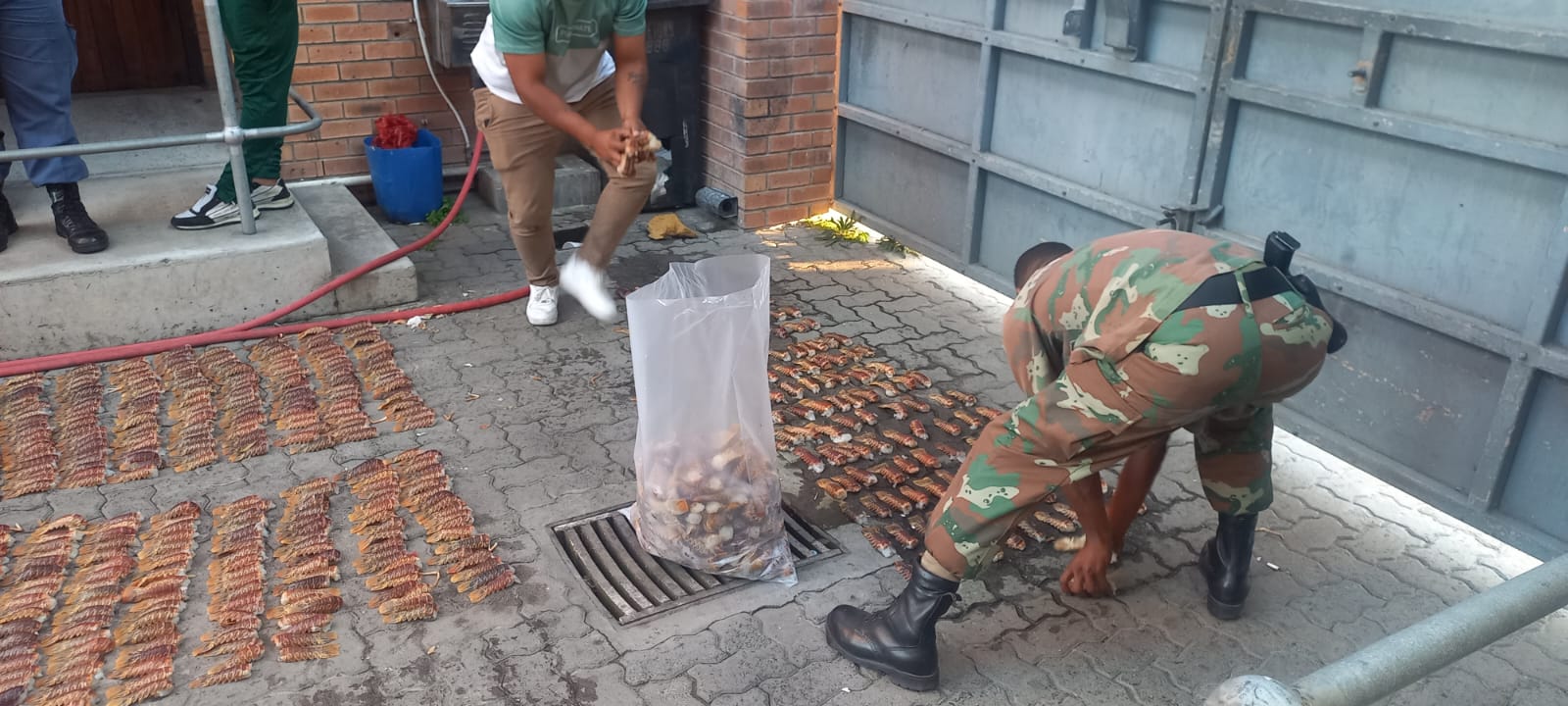
 The second phase will be to replace the balance of the meters and is currently earmarked to continue up until June 2040. This strategic approach aids in costs over time, and installation progresses gradually based on available budget.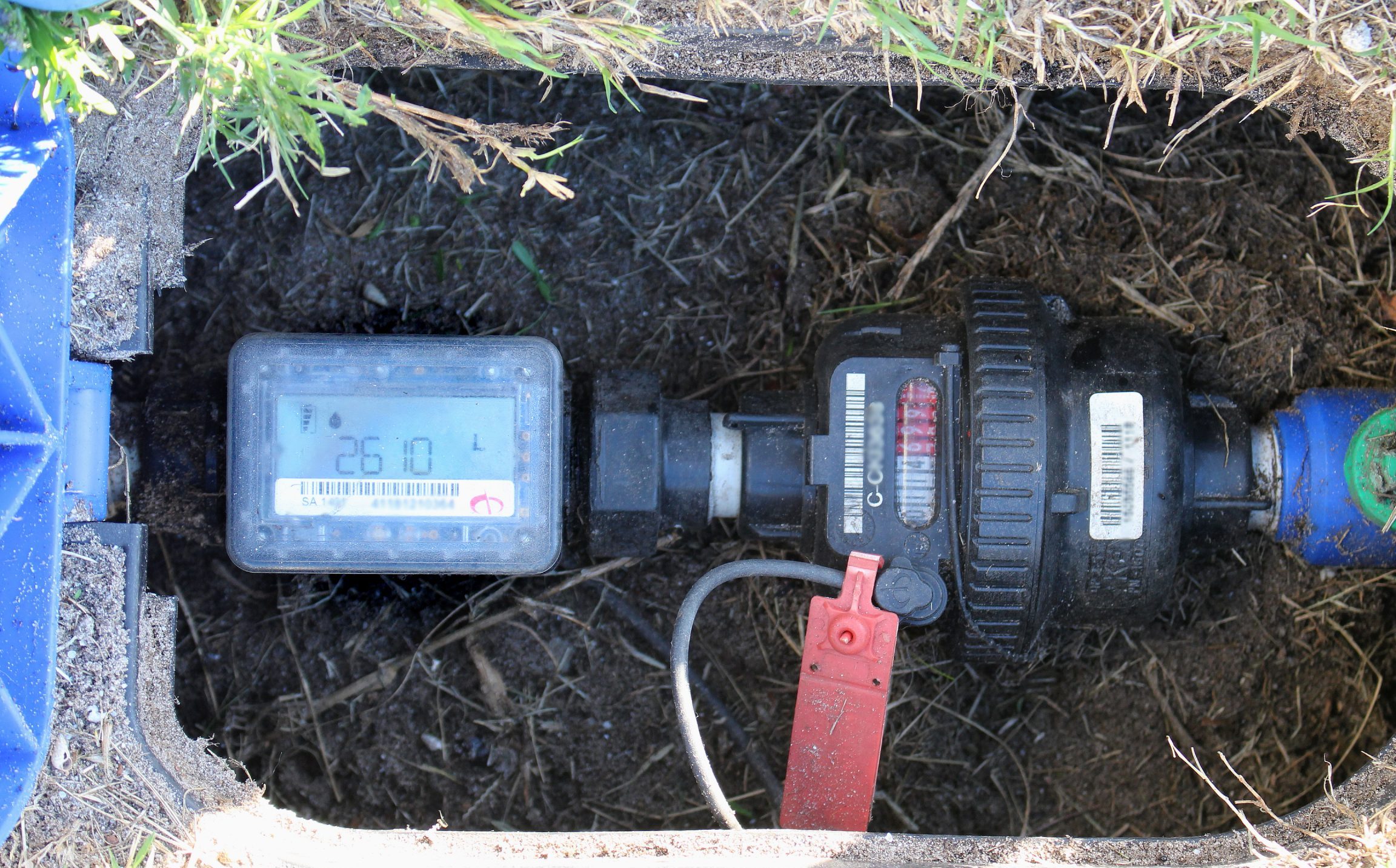


 Historically, enforcement has relied heavily on visible policing, roadblocks, and officer discretion. AI-driven monitoring changes that dynamic entirely.