
16.8 C
Cape Town
Sunday, July 5, 2026
Home Blog Page 112

There was an over 244% increase in the number of fires in 2025


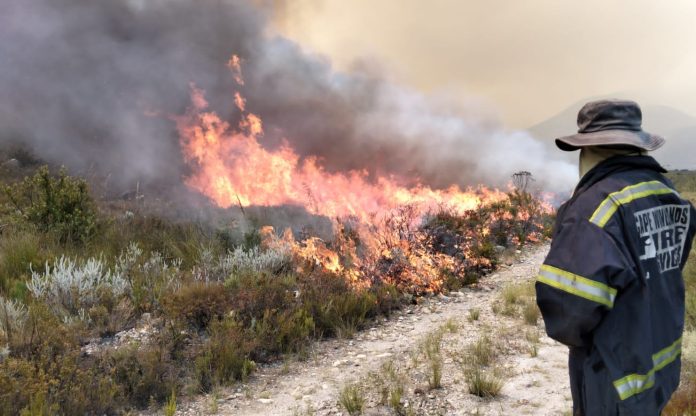
There was an over 244% increase in the number of fires in 2025 in the months of October and November compared to the fires recorded over those same months for the past two and a half decades. CapeNature says they recorded 31 fires in the 2025-2026 summer fire season, while an average of 9 fires were recorded over those two months annually, over the past 25 years. The jump from 9 fires over those two months to 31 last year is unprecedented in its records.

“We are prepared, but we need the public to remain vigilant and mindful,”says CapeNature CEO Dr Ashley Naidoo.

There was an over 244% increase in the number of fires in 2025
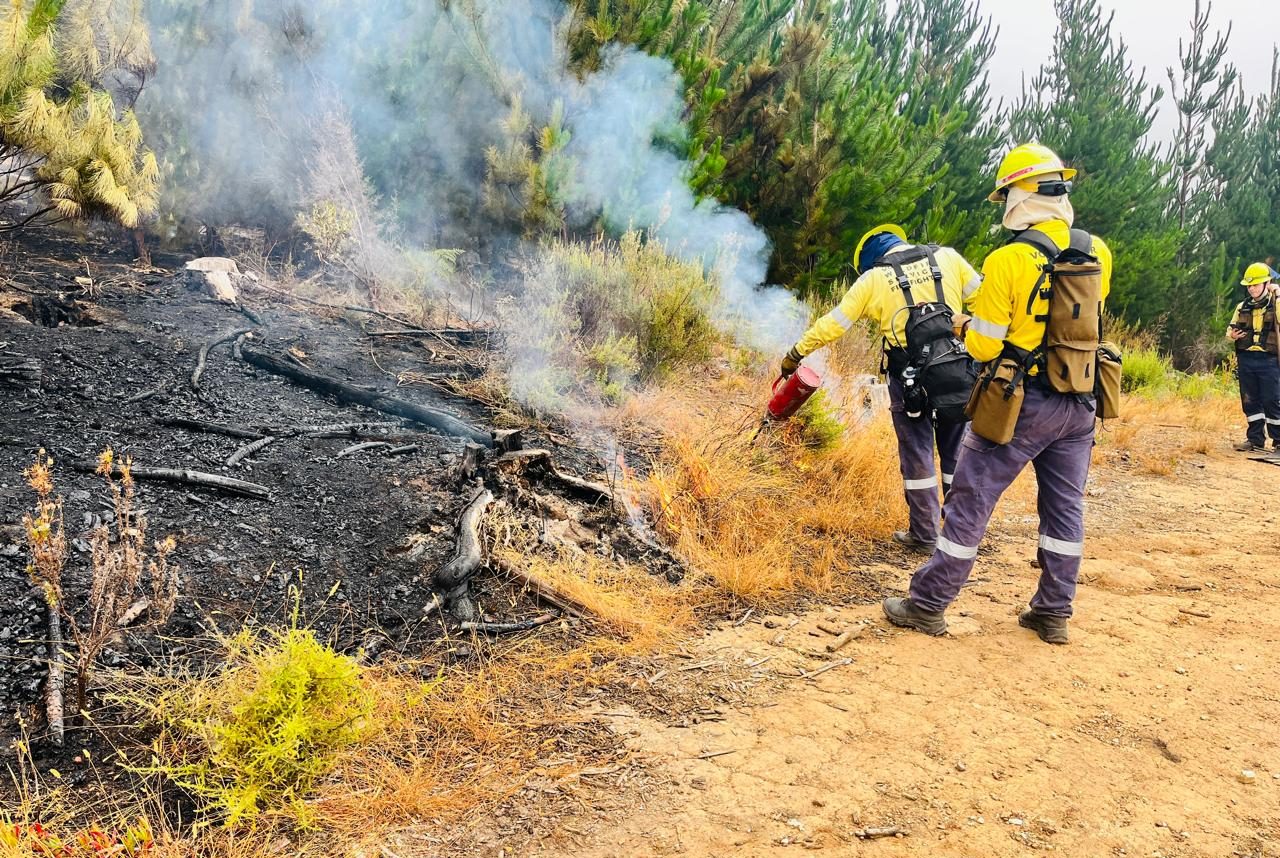
According to the CEO of CapeNature, Dr Ashley Naidoo, fire season began earlier than usual last year. He says historically, the fire season runs from 1 October to 31 March. But activity in the Western Cape began as early as September 2025. Traditionally, the high-risk period is from November onwards. He says between September and the end of November, CapeNature crews had responded to 43 fires.


The fire season runs from 1 October to 31 March


According to a media statement, wind was a primary factor in turning small, manageable fires into large, multi-day events. These fires were very challenging for firefighting crews. Naidoo added that despite the scale of the season, there were several success stories. These were largely due to meticulous advanced planning and partner and community collaboration. He says firebreaks around staff housing, offices, stores, and tourism cottages created safe anchor points. This allowed firefighting operations to proceed without loss of life or infrastructure on land, managed by CapeNature.


Naidoo elaborated, “Mindfulness is important, small braais or cooking fires, even throwing out lit cigarettes can be ignition sources for very large fires.”


Most of the CapeNature blazes were induced by humans


At the same time, Naidoo added that most of the fires they were battling were induced by humans. Other natural causes included lightning, rockfalls and animal activity. This, however, accounted for only a small fraction of the wildfires.


He says, “One spark in these dry and windy conditions is all it takes to start another catastrophic blaze.”


Rewriting record books


Naidoo says the season started earlier and was more intense than in recent years. He added that it has already rewritten the record books. Naidoo also commended their brave firefighters and many from other firefighting organisations, as well as volunteers, who worked to fight and extinguish these fires.


“We cannot afford to let it rewrite our landscapes as well.”


Drier than usual winter months ahead


The South African Weather Service has meanwhile predicted above-normal temperatures and below-normal precipitation over the period between March and May this year. Naidoo says this extends the risk beyond the end of the official fire season. He concluded that the financial cost of firefighting efforts for CapeNature for the mentioned period has exceeded R15-million.


CapeNature is a public institution mandated to promote and ensure biodiversity conservation within the Western Cape and is the custodian of the Cape Floristic Region.
Home Affairs Rejects Claims of Passport-Free Entry for Lesotho Citizens

Home affairs
Image: Home Affairs


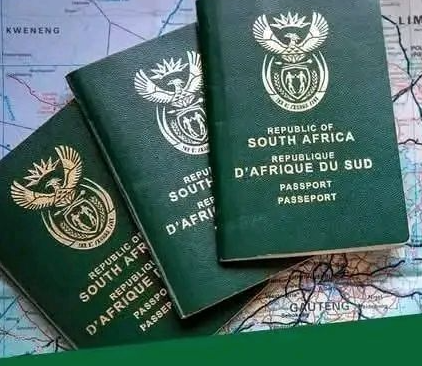
The Department of Home Affairs has dismissed reports claiming that citizens of Lesotho will soon be allowed to enter South Africa without valid passports.


The clarification follows a recent meeting between South African and Lesotho officials, where a joint task team presented a study on possible options for a new migration model between the two countries.


The department has stressed that not only would allowing entry without a valid passport violate South Africa’s law, it would also contravene section 9 of the Immigration Act of 2002, which stipulates that no person shall enter or depart from the Republic unless they are in possession of a valid passport.


The department’s spokesperson, Thulani Mavuso, says the process is still at a preliminary stage and no decisions have been taken.

“The ministers were directed by the bi-national commission between the two countries to undertake the study. No decision has been made yet, as they must go back to the commission and make proper recommendations on a way forward. At this point, we just want to reiterate that Lesotho citizens will need a valid passport to enter South Africa and South Africans will need a valid passport to enter Lesotho.”

Extension of reduced fuel levy being considered; announcement soon

fuel levy
Finance Minister Enoch Godongwana


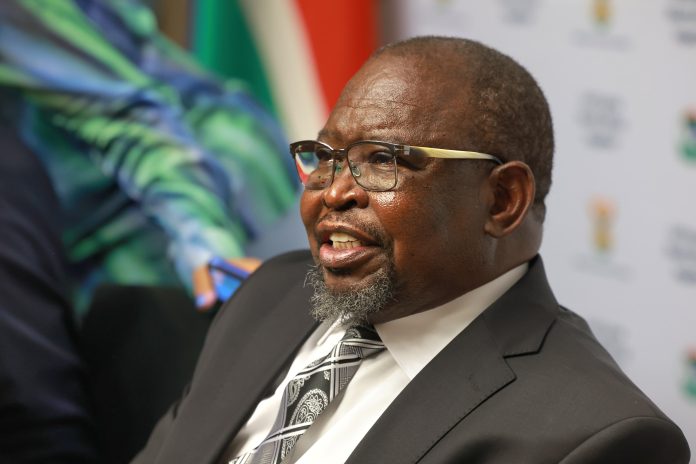
Finance Minister Enoch Godongwana is planning to announce next week whether the fuel levy reduction will remain in place.  


He said this during a National Assembly meeting on Tuesday, after Build One South Africa leader, Musi Maimane, urged him to keep the reduced levy while the war in the Middle East continues. 


The government recently reminded motorists that the temporary reduction of the levy by R3 will be in place until 5 May. This, however, is subject to review over the next two months. 


Godongwana has indicated that he’s been in discussion with Mineral Resources Minister Gwede Mantashe.  


“I will probably make the necessary announcement on the 28th [of April] on Tuesday, in that regard,” said Godongwana.  


During Tuesday’s Parliament sitting, reference was made to the South African Revenue Service (SARS) having achieved R2 trillion in collections, which Maimane believes could offset the reduced levy.  


However, Godongwana noted that despite SARS’s achievements, there are still shortfalls.


“What he [Maimane] misses is that the expenditure is 2.4 trillion. Which means we are 400 billion short. The debt service costs are also of a similar amount, which means this year we’ll have to borrow about R800 billion,” said Godogwana.  


According to reports, the fuel levy cut is costing the country around R6 billion. Godgongwana had previously noted that the levy cut could only be offered for a limited time.  


Suspended SAPS sergeant Fannie Nkosi denied bail

suspended saps sergeant Fannie Nkosi


The National Prosecuting Authority (NPA) has welcomed the decision of the Pretoria North Magistrates’ Court to deny suspended Organised Crime Unit member Sergeant Fannie Nkosi bail.


During his court appearance on Wednesday, the court found that the 43-year-old failed to assure the court that the interests of justice permit his release on bail.


Nkosi faces multiple charges, including unlawful possession of explosives; three counts of failure to safeguard firearms; eight counts of failure to safeguard ammunition; defeating the administration of justice; failure to mount a stand-up safe, theft and money laundering.


It is alleged that police officials attached to the Madlanga Commission task team acted on information regarding the unlawful possession of ammunition at Nkosi’s residence.


According to the NPA, the task team executed a search warrant at Nkosi’s home in Pretoria North on 02 April 2026. During the search, police discovered firearms, ammunition, a stun grenade, South African Police Service (SAPS) dockets, and other state-issued items at various locations on the premises.


Additionally, a substantial amount of cash, exceeding R50 000, was also found concealed beneath a mattress.


“The accused was unable to provide a satisfactory explanation for the origin of the money. He was subsequently arrested,” says Lumka Mahanjana, NPA Regional Spokesperson – Gauteng Division: Pretoria


In opposing bail, the State reportedly indicated that Nkosi poses a flight risk, may evade trial, and is likely to interfere with witnesses and ongoing investigations, particularly given his knowledge of police processes.


The court agreed with the State’s submissions and denied bail. The matter has been postponed to 21 May 2026 for further investigations, and Nkosi remains in custody.


READ MORE: Senior cops in the dock with Vusimuzi “Cat” Matlala

Constitutional Court rules SAHRC directives are not legally binding

SAHRC


The Constitutional Court of South Africa has clarified the powers of the South African Human Rights Commission (SAHRC), ruling that its directives are not legally binding or enforceable.


In a unanimous judgment handed down on Wednesday in South African Human Rights Commission v Agro Data CC and Another, the court dismissed an appeal by the SAHRC, confirming earlier findings by lower courts.


Key finding


The court found that while the SAHRC plays a critical role in protecting human rights, it cannot issue binding orders. Instead, it may:


  • Investigate complaints
  • Make findings and recommendations
  • Facilitate mediation and engagement
  • Assist complainants in approaching courts


But its directives do not carry the force of law.


Writing for the court, Acting Justice Rogers Nicholls (Nicholls AJ) said the Constitution empowers the SAHRC to “take steps to secure appropriate redress”,  language that signals a facilitative, not coercive role.


No enforcement powers


The judgment drew a clear distinction between the SAHRC and the Public Protector South Africa, whose remedial actions can, in certain circumstances, be binding.


The court stressed that:


  • The SAHRC cannot compel compliance with its findings
  • Its recommendations may be ignored without immediate legal consequences
  • Enforcement requires separate legal action in court


This means that if a party refuses to comply with an SAHRC recommendation, the Commission, or affected individuals, must litigate the matter to obtain a binding order.


Background to the case


The matter stemmed from a dispute involving farm residents in Mpumalanga who were denied access to water. The SAHRC had found that their rights were violated and issued directives to restore water supply and facilitate engagement.


When those directives were ignored, the Commission approached the courts seeking confirmation that its orders were binding.


Both the High Court and the Supreme Court of Appeal rejected that argument, a position now upheld by the Constitutional Court.


“Not toothless”


Despite limiting its powers, the court emphasised that the SAHRC remains a powerful constitutional body.


Its influence lies in:


  • Investigations and public reporting
  • Shaping policy and public debate
  • Supporting litigation and access to justice
  • Applying pressure on state and private actors


The ruling makes it clear that the SAHRC is designed to assist and enable access to justice, rather than act as a court.


The decision is expected to have wide implications for how human rights complaints are pursued in South Africa, particularly for vulnerable communities relying on the Commission for redress.

error: Content is protected !!