


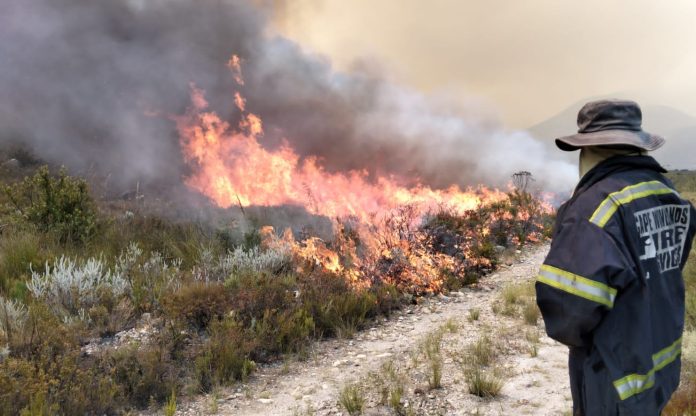
“We are prepared, but we need the public to remain vigilant and mindful,”says CapeNature CEO Dr Ashley Naidoo.
There was an over 244% increase in the number of fires in 2025
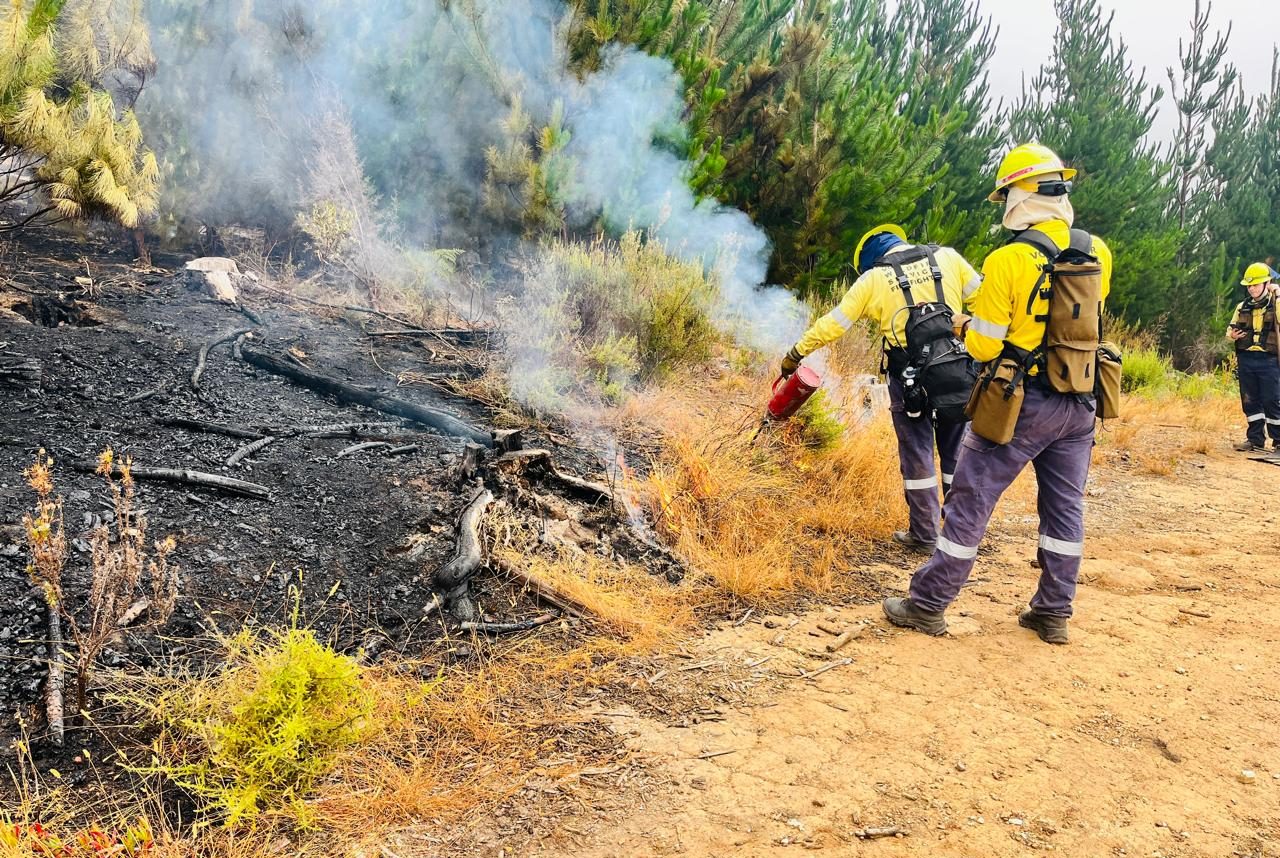
The fire season runs from 1 October to 31 March
According to a media statement, wind was a primary factor in turning small, manageable fires into large, multi-day events. These fires were very challenging for firefighting crews. Naidoo added that despite the scale of the season, there were several success stories. These were largely due to meticulous advanced planning and partner and community collaboration. He says firebreaks around staff housing, offices, stores, and tourism cottages created safe anchor points. This allowed firefighting operations to proceed without loss of life or infrastructure on land, managed by CapeNature.
Naidoo elaborated, “Mindfulness is important, small braais or cooking fires, even throwing out lit cigarettes can be ignition sources for very large fires.”
Most of the CapeNature blazes were induced by humans
At the same time, Naidoo added that most of the fires they were battling were induced by humans. Other natural causes included lightning, rockfalls and animal activity. This, however, accounted for only a small fraction of the wildfires.
He says, “One spark in these dry and windy conditions is all it takes to start another catastrophic blaze.”
Rewriting record books
Naidoo says the season started earlier and was more intense than in recent years. He added that it has already rewritten the record books. Naidoo also commended their brave firefighters and many from other firefighting organisations, as well as volunteers, who worked to fight and extinguish these fires.
“We cannot afford to let it rewrite our landscapes as well.”
Drier than usual winter months ahead
The South African Weather Service has meanwhile predicted above-normal temperatures and below-normal precipitation over the period between March and May this year. Naidoo says this extends the risk beyond the end of the official fire season. He concluded that the financial cost of firefighting efforts for CapeNature for the mentioned period has exceeded R15-million.
CapeNature is a public institution mandated to promote and ensure biodiversity conservation within the Western Cape and is the custodian of the Cape Floristic Region.