
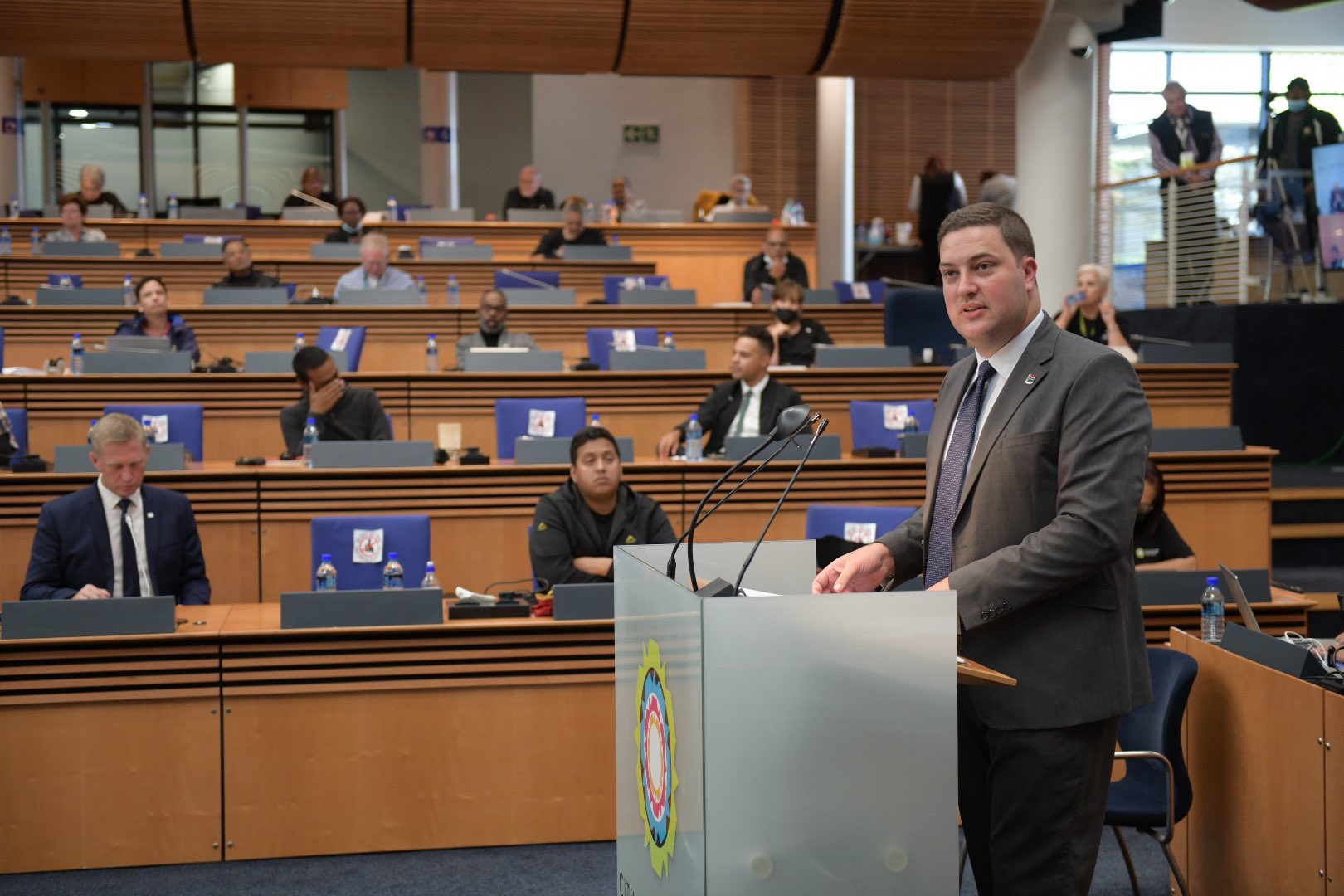
The City of Cape Town has officially opened a supplementary public participation process on amendments to its 2026/27 Budget following the Western Cape High Court’s ruling that its tariff structures, linked to property value, were unlawful.
The City says a key impact of this ruling is that it must revert to the previous method of using meter size to determine fixed water and sanitation charges.
To mitigate the impact this will have on lower-value properties, the City has further raised the rates-free rebate to R620 000, up from R450 000, for all properties up to R8m (previously R7m).
Pensioners will continue to benefit after the monthly income threshold was previously raised to R27 000, regardless of property value. The Metro will also continue offering lifeline electricity to pensioners up to this threshold.
Aside from raised benefits, the City is also proposing the following measures to buffer the impact:
- A lower overall fixed charges portion of the tariff
- Consolidating the fixed tariff for the most common water meter sizes – those under 22mm
- Shifting costs to higher consumption users compared to the March tabled budget, through increases to the step-tariff for usage over 10.5kl. Water usage will cost R2,09 more per KL from 10,5 – 35KL compared to the March tabled budget, and R8.06 (excl VAT) more over 35KL, with similar increases for sanitation per KL in these usage bands.
Meanwhile, the City is proposing that City-wide cleaning costs move back into property rates.
Residents previously funded city-wide cleaning services via an electricity surcharge contribution to property rates revenue. In 2025/26, the cost of city-wide cleaning was made a standalone charge for residential properties, lowering electricity prices.
This standalone charge will be removed, resulting in an increase in property rates for residential customers – amending the -10,2% reduction tabled in March to -2,09%.
Commercial property rates will also increase, while electricity unit costs will reduce due to the phased reduction of the surcharge contribution to city-wide cleaning.
Residential electricity tariffs remain unchanged as these customers no longer contribute to city-wide cleaning in this way.
The overall average energy tariff increase for commercial customers has been reduced to 5.46% (from 6.82% in the March tabled budget), while the residential increase remains unchanged at 6.64%.
To accommodate the shift in City-wide cleaning to rates, and the phasing out of the electricity contribution for commercial properties, the rate-in-the-rand and the rates ratios are proposed to be amended as follows:
| Property Rating Category | March 2026/27 Tabled Budget
Rate-in-Rand | May 2026/27 Amended Budget
Rate-in-Rand
| March 2026/27 Tabled Budget Property Rates Ratio | May 2026/27 Amended Property Rates Ratio | |
| Residential | 0.006428 | 0.007010 | 1:1 | 1:1 | |
| Industrial | 0.015106 | 0.016910 | 1:2.35 | 1: 2.41 | |
| Business and commercial | 0.015106 | 0.016910 | 1:2.35 | 1: 2.41 | |
| Agricultural | 0.001286 | 0.001402 | 1:0.20 | 1: 0.20 | |
| Mining | 0.015106 | 0.016910 | 1:2.35 | 1: 2.41 | |
| Organ of state | 0.015106 | 0.016910 | 1:2.35 | 1: 2.41 | |
| Public service infrastructure | 0.001607 | 0.001753 | 1:0.25 | 1:0.25 | |
| Public benefit organisation | 0.001607 | 0.001753 | 1:0.25 | 1:0.25 | |
| Vacant land | 0.012856 | 0.014020 | 1:2.00 | 1:2.00 | |
| Social housing | 0.001607 | 0.001753 | 1:0.25 | 1:0.25 | |
| Miscellaneous | 0.015106 | 0.016910 | 1:2.35 | 1: 2.41 | |
| Specified religious purposes | 0.001607 | 0.001753 | 1:0.25 | 1:0.25 | |
| Not for profit | 0.001607 | 0.001753 | 1:0.25 | 1:0.25 |
Hill-Lewis says no amendments will be made to the City’s R40 billion three-year infrastructure budget.
“This draft budget – even with amendments – still achieves several things at once that simply wouldn’t be possible in other cities: an SA-record infrastructure investment that outpaces all Gauteng metros combined; the most comprehensive relief for struggling households and pensioners; and the lowest property rates and total monthly bills of any metro.”
The court ruling’s effect is prospective and is applicable from 1 July 2026 onwards.
The City has stressed that all revenue raised in 2025/26 has gone to the intended purpose of infrastructure and service delivery.
“It is important to further note that the ruling does not take issue with the necessity of these funds to run the city. Ratepayers will now contribute to these same running costs but in a different way based on the new proposals for 2026/27.”
Supplementary public participation is open from today, 27 May, until 10 June. This will allow sufficient time to adopt a budget before the financial year begins on 1 July 2026.
Click HERE to read all the Budget amendments and submit comments. Residents can also visit their Subcouncil office or phone 0800 212 176.