


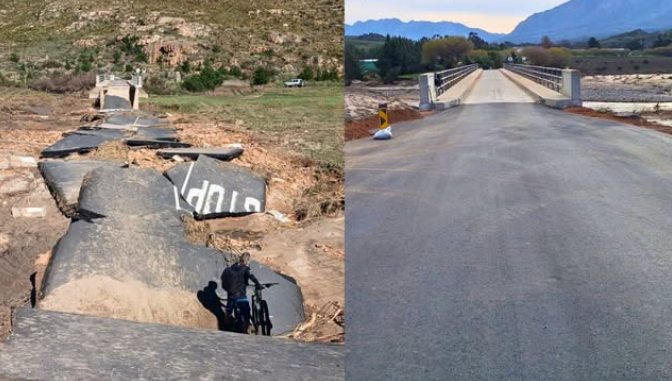
As the Western Cape continues recovery efforts from May’s severe weather events, the Master Builders Association Western Cape (MBAWC) says the focus should now shift from simply rebuilding damaged infrastructure to building greater resilience into the province’s future.
The scale of the damage and losses incurred has been assessed at nearly R10 billion, and Western Cape Premier Alan Winde says provincial budgets will need to be reprioritised to ensure that critical recovery work can continue.
The Provincial Cabinet has approved financial commitments to various provincial government departments, amounting to R480 million from the province’s 2026/27 Unforeseen and Unavoidable Reserve.
This is as the province is still awaiting feedback from the National Government about its application for disaster funding to address the huge shortfall for identified infrastructure repair and restoration requirements.
“As a province, we cannot wait for lengthy disaster relief processes from National Government to be finalised. We must act decisively. We have excellent financial management mechanisms in place and a contingency reserve which we now have to exhaust because our economy and communities cannot be held ransom by damaged infrastructure.”
Winde has stressed that the increasing frequency and severity of extreme weather events, against the backdrop of a changing climate, requires government to strengthen its preventative measures and become more proactive.
“We cannot only respond after disaster strikes. We must also do more to reduce the risks before these events happen.”
He says this includes accelerating preventative measures such as cutting and maintaining firebreaks, clearing invasive alien vegetation from waterways and water bodies, improving stormwater systems, and strengthening the maintenance of critical infrastructure.
The Master Builders Association Western Cape agrees, adding that climate resilience must become central to planning, infrastructure investment and development decisions.
MBAWC Executive Director Petra Devereux says the lesson is not simply to rebuild what was damaged, but to build back smarter.
“Extreme weather can no longer be treated as an exception. It must be built into long-term planning, infrastructure investment and development decisions. The floods highlighted vulnerabilities in ageing infrastructure, drainage systems and planning approaches that need to evolve.”
Recent climate projections suggest that the Western Cape is likely to experience greater variability in future, including periods of intense rainfall, flooding, stronger storms, droughts and prolonged heat. Experts warn that a strengthening El Niño could intensify weather extremes in the months ahead.