


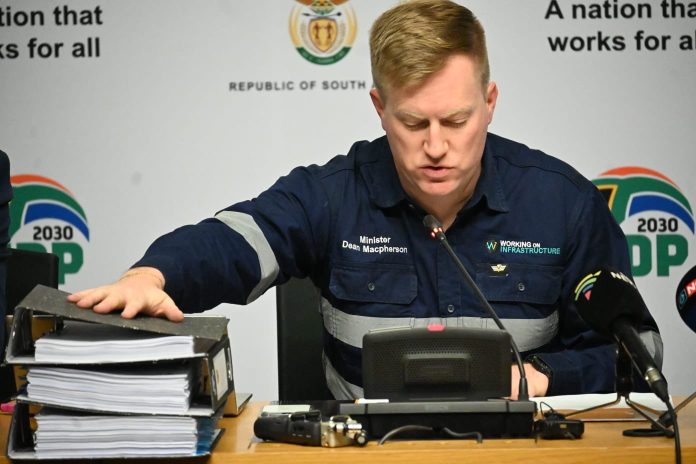
The Minister of Public Works and Infrastructure, Dean Macpherson, has announced a renewed court bid to halt further illegal occupation and sale of land at Knoflokskraal near Grabouw.
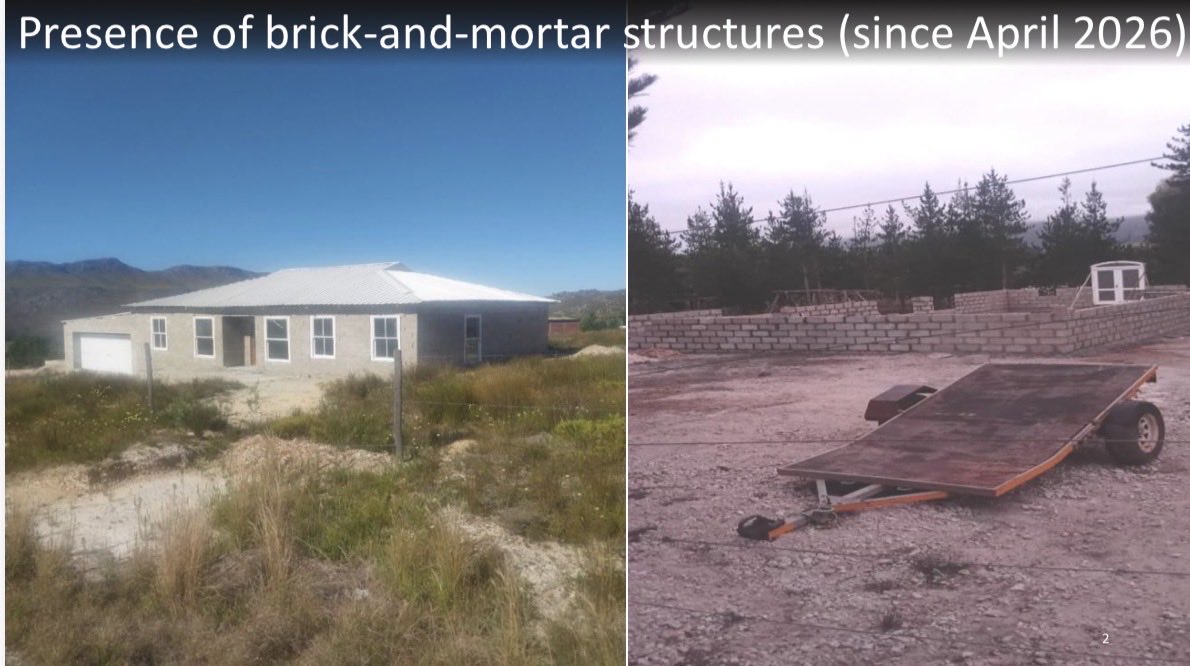
The settlement, first occupied in late 2020, has grown to over 4,000 structures, with even brick-and-mortar homes springing up since April this year.
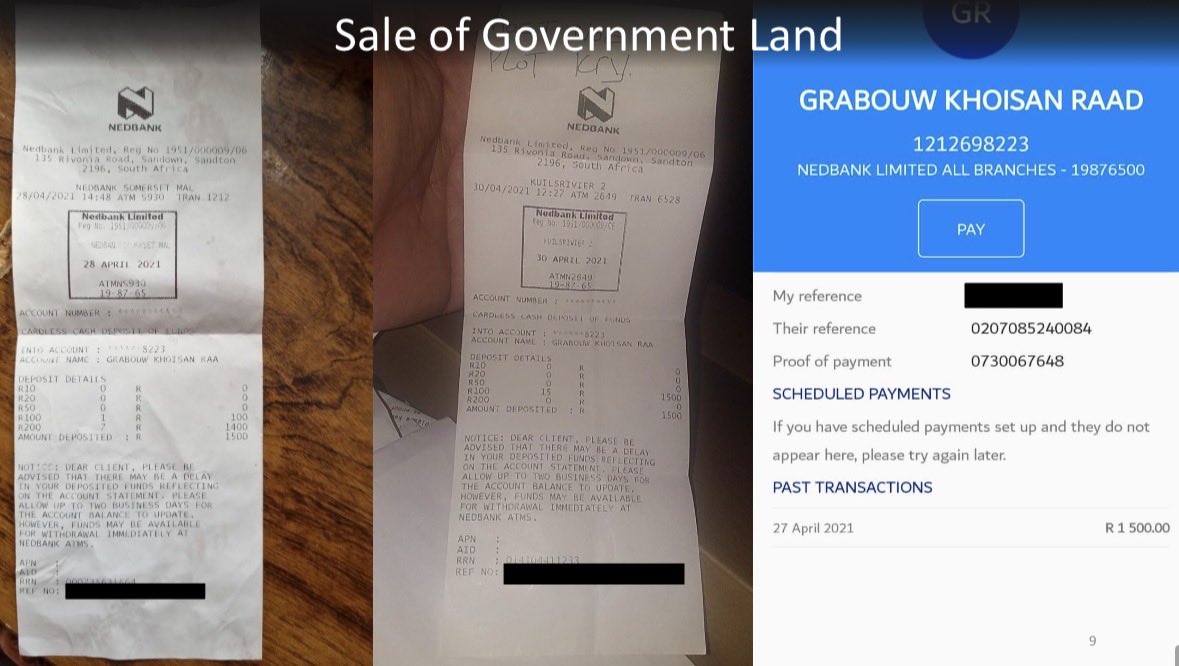
During a press conference yesterday, the Minister revealed that whistleblowers came forward in July, alleging the existence of an organised criminal system through which plots on this state-owned land were being subdivided and sold for as little as R1,500.
Macpherson said on 19 October that the Department will approach the Western Cape High Court to seek a “lawful, judicially supervised process” to prevent further unlawful occupation.
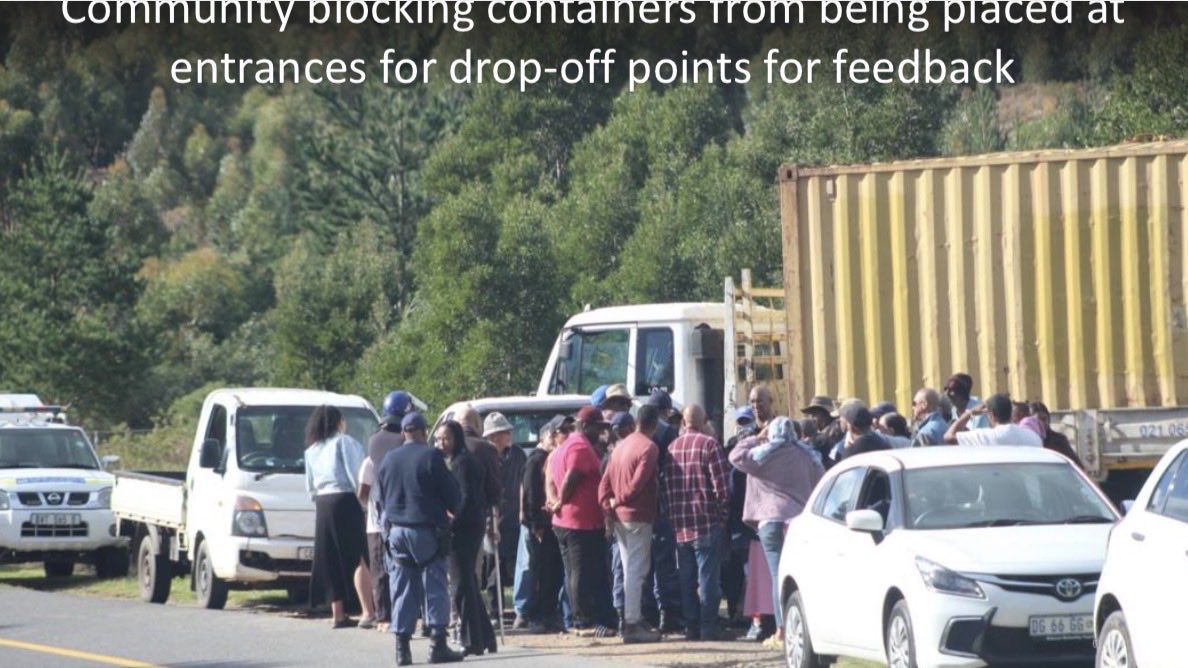
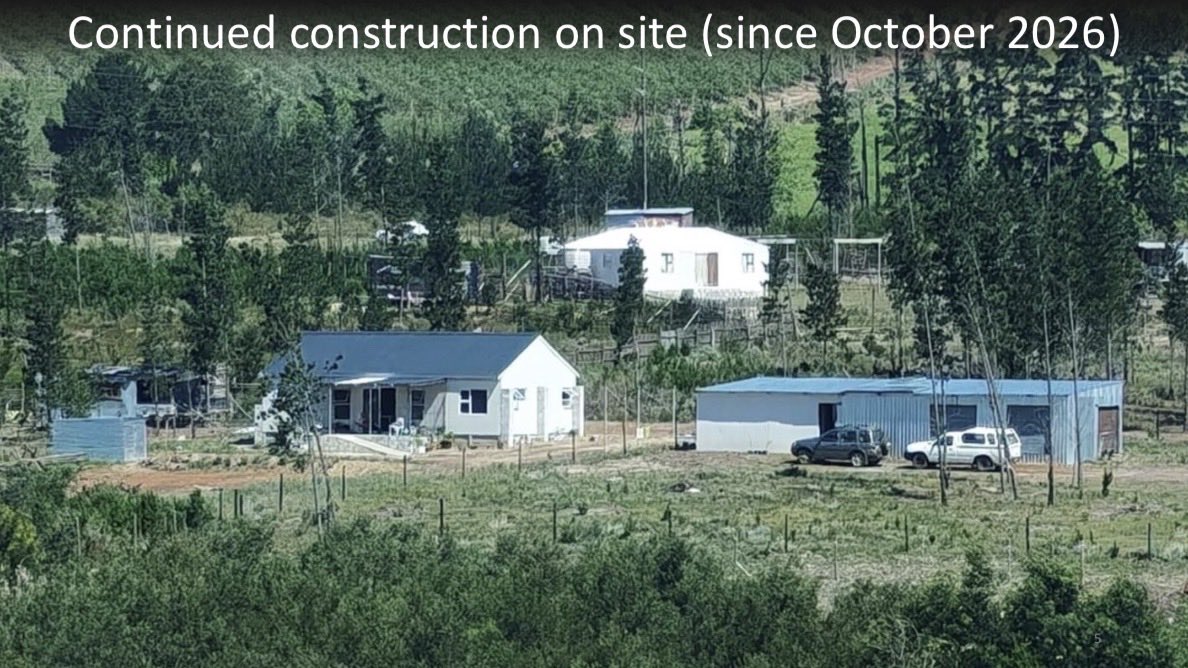
The goal is to stop new land occupations and further construction, prohibit the movement of building materials onto the site and freeze the size of the settlement, while establishing a census process to identify who actually lives there.
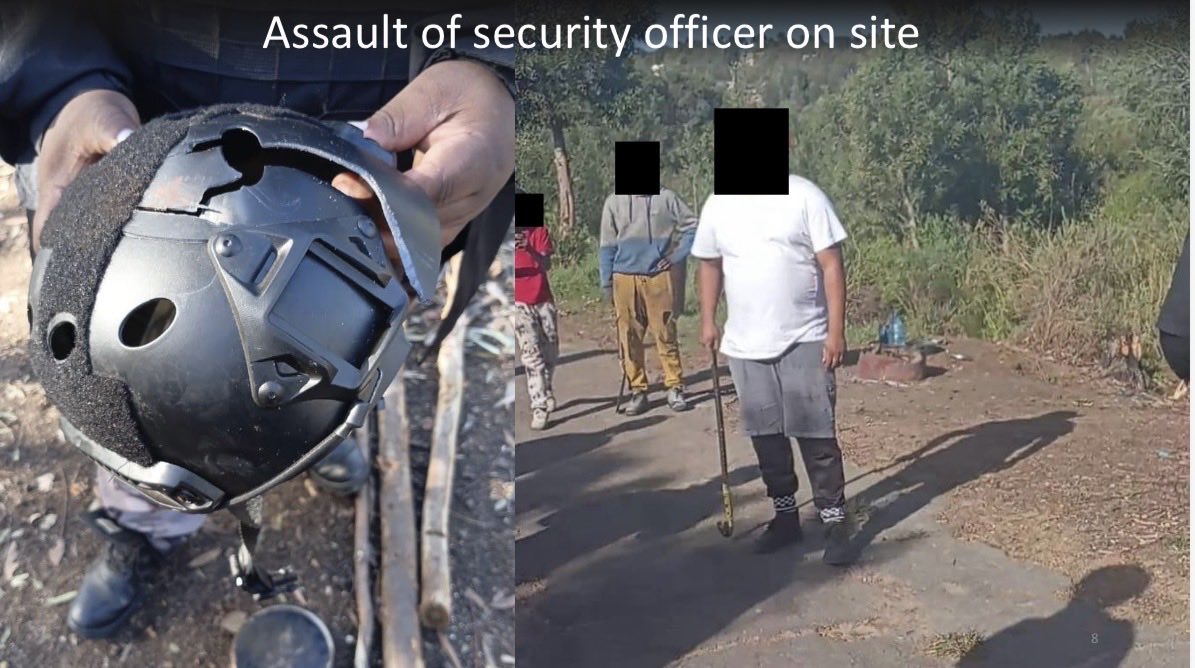
He said they will also seek that officials are no longer intimidated or subjected to threats of violence.
Macpherson says the government has received a database containing the details of approximately 820 people who have allegedly purchased or received land allocations through the system.
He says this information, including allegations of fraud, intimidation and violence, has also been handed over to law enforcement for investigation and prosecution.
“Our approach will be guided by the evidence, the Constitution and the principles of fairness and transparency. No one is above the law and no space in our constitutional democracy can be allowed to become a pocket of illegality.”
The initial occupation at Knoflokskraal started in late 2020 and was initiated by Richard Isaacs from Genadendal, who claimed ancestral Khoisan rights over the land and subsequently recruited and encouraged people from the Cape Flats to erect illegal structures.
The settlement subsequently grew from a small number of structures to thousands of plots during the COVID-19 national lockdown.
The Western Cape High Court issued containment orders starting in 2021, but despite this, the settlement has grown exponentially.