


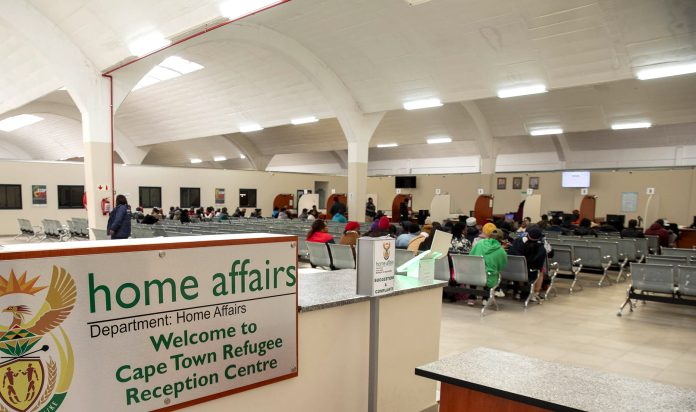
The Department of Home Affairs says it has achieved the biggest reduction in South Africa’s refugee appeals backlog in years following reforms at the Refugee Appeals Authority of South Africa (RAASA).
According to the department, RAASA’s active appeals caseload declined from 79 870 cases at the end of 2024 to 70 976 by the end of 2025, representing a reduction of 8 894 active appeals, or more than 12%.
“While we still have a way to go, efficiency gains have already produced the biggest reduction in the refugee appeals backlog in years,” said Home Affairs Minister Dr Leon Schreiber.
The department says 19 064 cases were removed from the ringfenced backlog of 133 582 appeals during the 2025/26 financial year, amounting to a 14.2% reduction.
Home Affairs’ Refugee Appeals Authority has recorded the biggest reduction in the asylum appeals backlog in years, slashing its historic backlog by 14.2% and its active caseload by 12% in 2025/26. Building a more efficient system that serves applicants and SA’s best interests! 🇿🇦 pic.twitter.com/MIcWZSNLYL
— Leon Schreiber (@Leon_Schreib) July 9, 2026
Cases were removed through appeal determinations, withdrawals, case finalisations and paper determinations where appellants failed to attend scheduled hearings.
Home Affairs says the refugee appeals backlog accumulated over more than two decades, with many unresolved cases dating back to 2008. It says the progress made during the past financial year represents one of the most significant improvements in the performance of the country’s asylum appeals system in years.
“Clearing these backlogs and ensuring more efficient processes is in the interest of both applicants and society at large,” added Schreiber
The department attributes the improvement to reforms that included appointing 40 additional advocate members, increasing the number of daily appeal hearings, introducing targeted adjudication strategies for high-volume and less complex appeals, and strengthening performance management.
RAASA has also expanded collaboration with the United Nations High Commissioner for Refugees to improve the quality and consistency of decisions. Additional advocates from the Cape Bar are also being onboarded to strengthen capacity in the Western Cape, which has the country’s second-largest refugee appeals caseload.
READ MORE: Operations at Epping Repatriation Centre concluded; hundreds remain on site


