
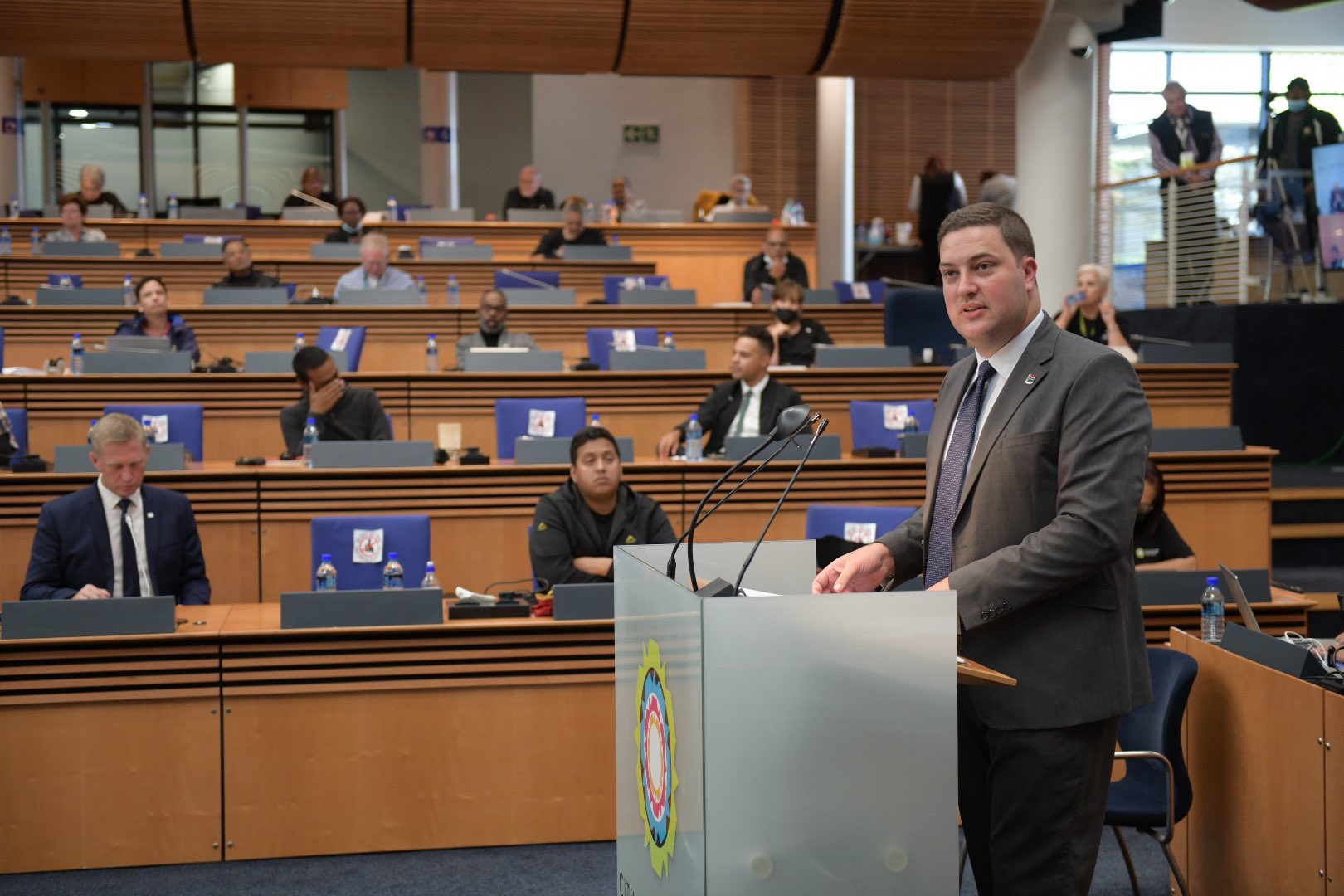
The City of Cape Town adopted its 2026/27 “City of Hope” Budget on Monday, 29 June, which includes a record R40 billion investment in basic infrastructure over the next three years.
Mayor Geordin Hill-Lewis said the budget protects key infrastructure projects while also expanding rates relief for lower- and middle-income households.
According to the City, around 130,000 construction-related jobs are expected to be created through capital investment during the current term of office, with 75% of infrastructure spending aimed at benefiting lower-income communities.
Major infrastructure allocations over the next three years include:
- R16.7 billion for water and sanitation projects, including wastewater treatment upgrades and pipe replacements.
- R6 billion for electricity grid upgrades and maintenance.
- R3.7 billion for roads, stormwater infrastructure and pothole repairs.
- R3.2 billion for the expansion of the MyCiTi bus service on the Cape Flats.
- R3.3 billion for informal settlement upgrades and subsidised housing.
- R203 million for sports facility improvements.
- R300 million for the redevelopment of the Strandfontein Pavilion.
The budget also sets aside a record R6.8 billion for safety and security in the 2026/27 financial year.
To help cushion households from rising costs, the City has increased the rates-free threshold from R450,000 to R620,000 for residential properties valued at up to R8 million.
Pensioners earning up to R27,000 per month will continue to qualify for rates rebates and other benefits, regardless of their property’s value.
The City says Cape Town continues to offer the lowest property rates among South Africa’s major metros, along with the widest range of relief measures for pensioners and indigent households.
Annual tariff changes for 2026/27 include a 4.5% increase in water and sanitation charges, a 3.75% increase for refuse collection, and an average electricity increase of 6.64%, which is lower than the Eskom-approved national municipal increase.
Property rates will decrease by 2.09% due to the latest general valuation roll.
The reduction was previously set at -10,2%, before the city-wide cleaning charge had to be moved back into property rates, following the High Court ruling.