



The Southern African Large Telescope (SALT) has been awarded a prestigious Science Diplomacy Award at the closing ceremony of the 2025 Science Forum South Africa (SFSA). The event was held in November at the CSIR International Convention Centre in Pretoria. The largest single optical telescope in the Southern Hemisphere and one of the largest worldwide, SALT received the award in the category, International STI Partnership Achieving Excellence in Global Science.
“Through its education, outreach, and research programmes, SALT has inspired countless young people to pursue careers in science, technology, engineering, and mathematics (STEM),” said Dr Mlungisi Cele, Director-General, DSTI.

An award for the Southern African Large Telescope
Known affectionately as Africa’s Giant Eye on the Sky, SALT is a powerful symbol of international scientific cooperation, with eight current shareholder partners including leading universities, science organisations, and funding agencies from Africa, India, Europe, and North America. It is based in Sutherland, Northern Cape, at the South African Astronomical Observatory (NRF-SAAO), a facility of the National Research Foundation.
“The telescope’s visibility in media, tourism, and education continues to capture public imagination. It is a living example that science belongs to everyone and that major discoveries can emerge from African soil,” said Dr Mlungisi Cele, Director-General, DSTI.

The NRF, funded and supported by the Department of Science, Technology and Innovation (DSTI), is the principal shareholder and is responsible for the maintenance and operations of SALT through NRF-SAAO. This multinational partnership continues to strengthen SALT’s scientific output through shared expertise, postgraduate training opportunities, student exchange programmes, and wider societal impact realised through its SALT Collateral Benefits Programme.
This latest accolade for SALT comes hot on the heels
This latest accolade for SALT comes hot on the heels of the 20th anniversary celebrations of its astronomical excellence and breakthroughs on 10 November. For over two decades, SALT has delivered groundbreaking global research and accelerated South Africa’s contribution to modern astrophysics. The facility has produced more than 600 peer-reviewed scientific publications, including a milestone of over 80 publications in 2024 alone.
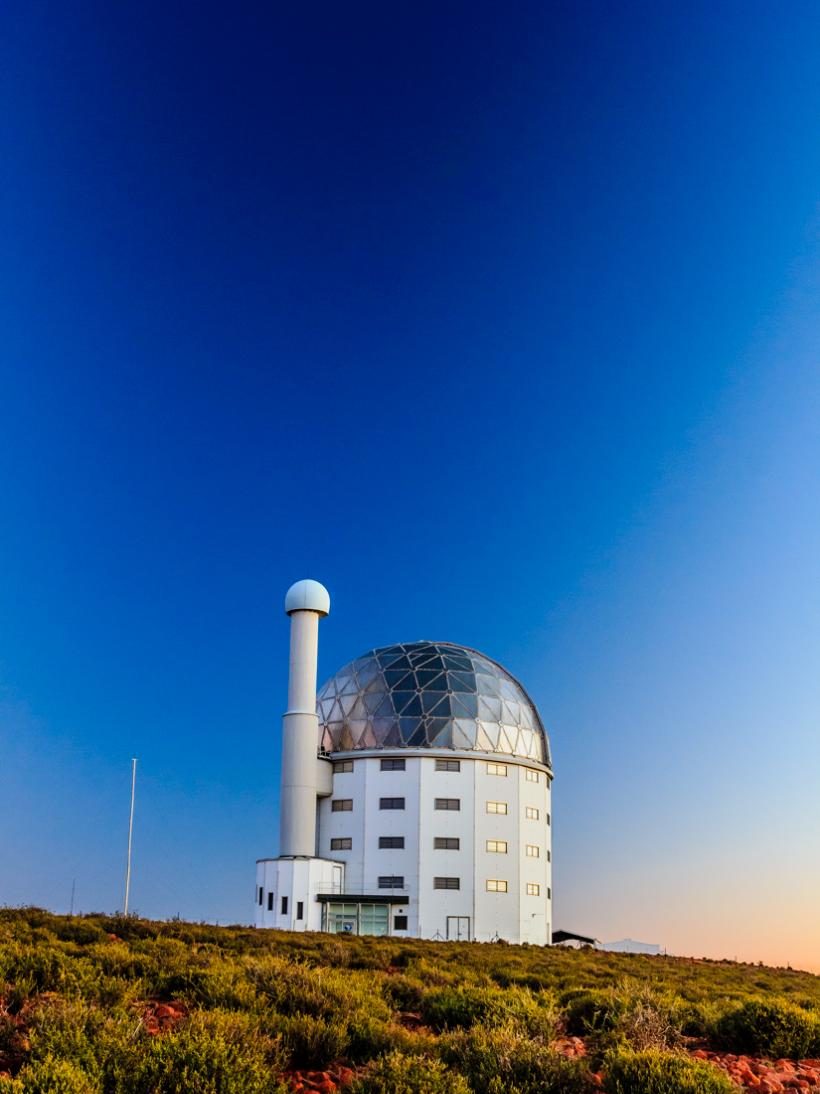
“I would like to congratulate the SALT team for this well-deserved award. SALT’s success story is one of national pride and aspiration. Its iconic silver dome rising above the Karoo hills symbolises South Africa’s determination to look upward and forward”, said Dr Mlungisi Cele, Director-General, DSTI.
Among numerous science highlights, in August 2017, SALT produced one of the world’s first optical spectra associated with a gravitational wave event, marking the dawn of multi-messenger astronomy. This breakthrough continues to shape the South African National Multiwavelength Strategy and future scientific direction for the next decade and beyond.
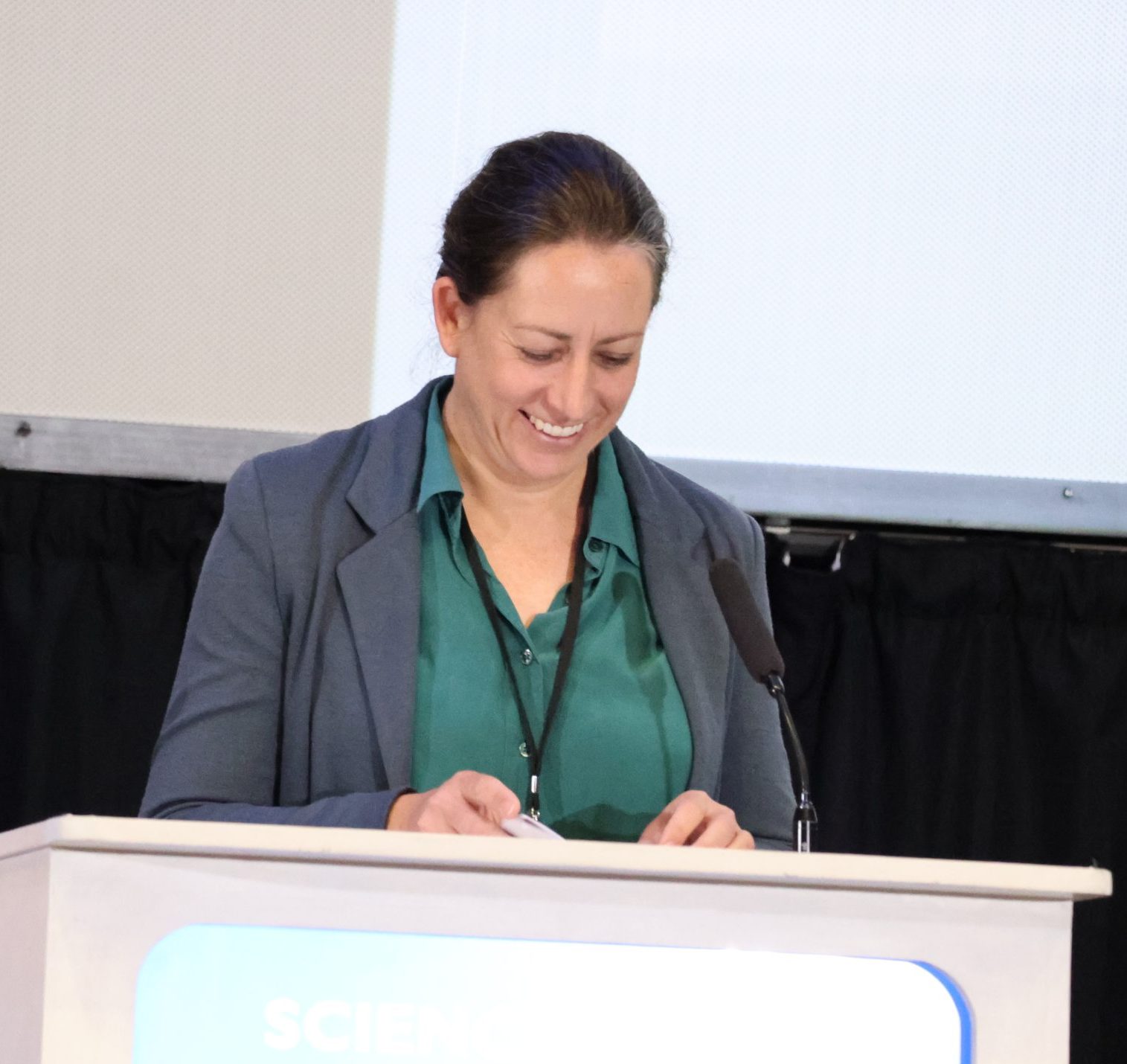
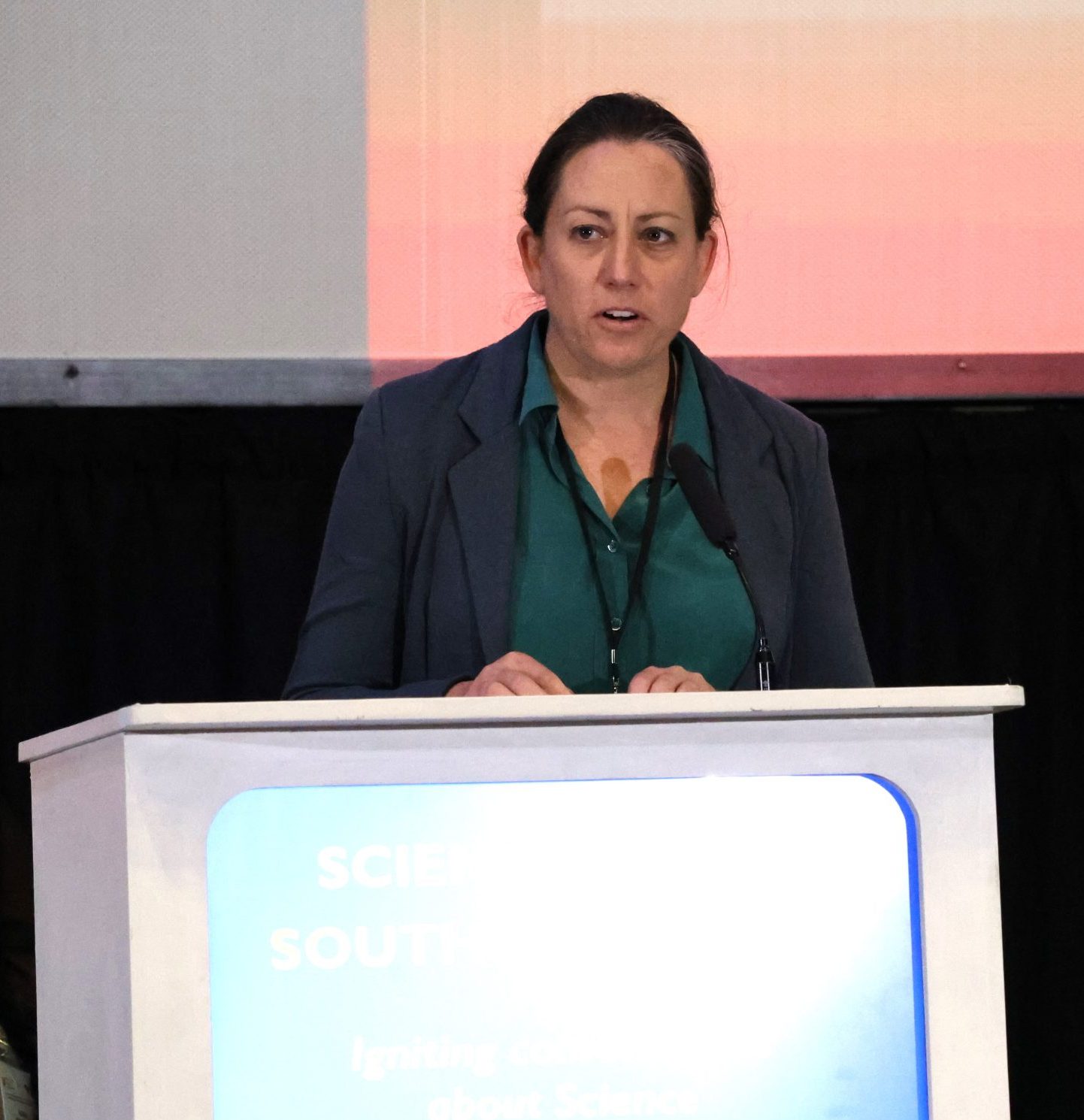
Receiving the award, Prof Rosalind Skelton, SALT board member and Managing Director of NRF-SAAO, said, “SALT is a catalyst for SA’s leadership in astronomy, enabling world-class research and fostering meaningful partnerships across borders in pursuit of shared scientific discovery.”

SALT’s influence reaches well beyond its scientific achievements. It has helped cultivate a vibrant community of African astronomers, engineers, and data scientists, laying the groundwork for sustained excellence in the region. Its success was pivotal in securing South Africa’s role as host of the SKA-Mid telescope—a testament to the country’s growing stature in global big science and its commitment to collaborative innovation.
The SFSA Science Diplomacy Awards celebrate individuals, organisations and institutions demonstrating outstanding commitment to advancing science diplomacy. This includes those whose work contributes meaningfully to the intersection of scientific research, international cooperation and partnerships, policy development, evidence-based decision-making, and diplomacy with a footprint in the regional and global science community.