


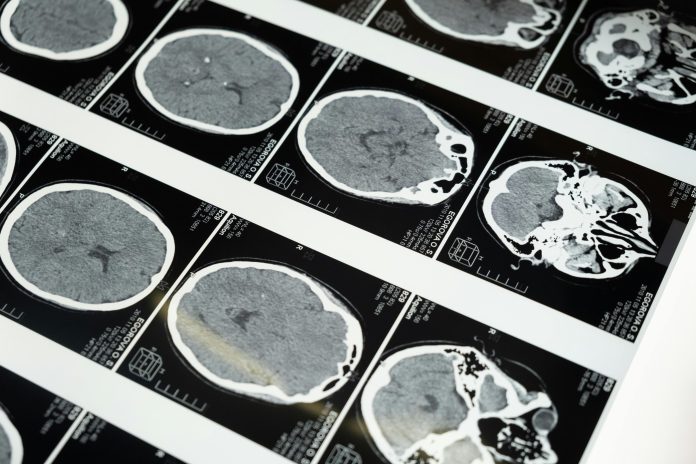
As the world marks World Brain Day on Tuesday, 22 July, South African health experts are warning that dementia is no longer just a disease of old age — and that more than 40% of cases could be prevented through early lifestyle interventions.
The World Health Organization estimates that 57 million people currently live with dementia globally — a figure expected to triple to 153 million by 2050.
Sub-Saharan Africa is set to experience one of the sharpest increases, with cases projected to nearly double every 20 years.
Dr Patty Francis, President of the Neurological Association of South Africa, says dementia is often the result of decades of exposure to modifiable risk factors that result in brain tissue damage. They include:
- High blood pressure
- Obesity
- Smoking
- Poor sleep
- Diabetes
- Social isolation
“Dementia doesn’t happen overnight. What we do in our 30s, 40s and 50s plays a major role in our risk later in life. It’s not just about ageing — it’s about lifelong brain health.”
She added that preventative action is possible at every stage of life to keep the brain healthy, from childhood education and maternal health to staying socially connected in older age.
While some forms of dementia are treatable — including HIV-related and vitamin B12 deficiency-related cases — most types, like Alzheimer’s disease, currently have no cure.
However, early diagnosis and intervention can help slow progression and improve quality of life.
Common warning signs include memory loss, confusion, personality changes, difficulty completing everyday tasks, and problems with speech or coordination.
Francis also called for greater public access to early screening and specialist care, particularly in under-resourced communities.
“In South Africa, our most urgent need is awareness, destigmatisation, and access to proper diagnosis and treatment,” she said. “Families need support, not silence.”
Members of the public are encouraged to seek help through community clinics, GPs, hospital neurology departments, or organisations like Alzheimer’s South Africa (www.adasa.org.za).
This World Brain Day, the message is clear: dementia is not inevitable — and the time to protect your brain is now.