


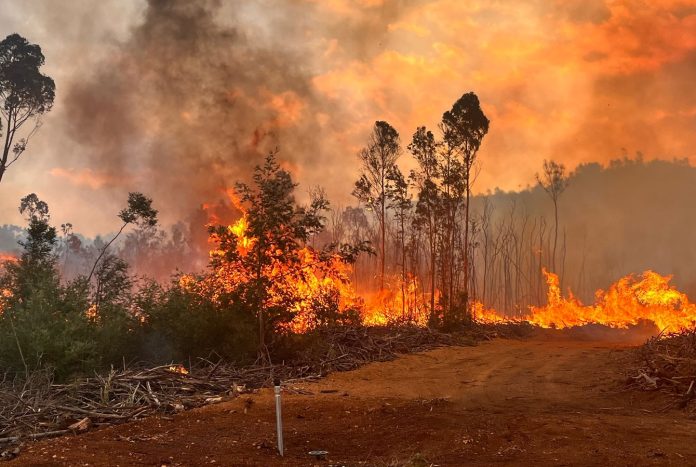
Wildfires leave lasting scars. The devastating impact of wildfires on the Western Cape landscape is under renewed focus. This follows the release of a special fire series by CapeNature, and in the spotlight, one of the most destructive fire seasons in recent years.
Wildfires leave lasting scars on Cederberg as CapeNature highlights growing climate risks
The most severe blaze tore through the Cederberg Wilderness, igniting on 22 December 2025 at Uitkyk Pass and burning an estimated 53 000 hectares. It was contained on 5 January 2026. The fire swept across protected areas and neighbouring private land, leaving extensive ecological damage in its wake.
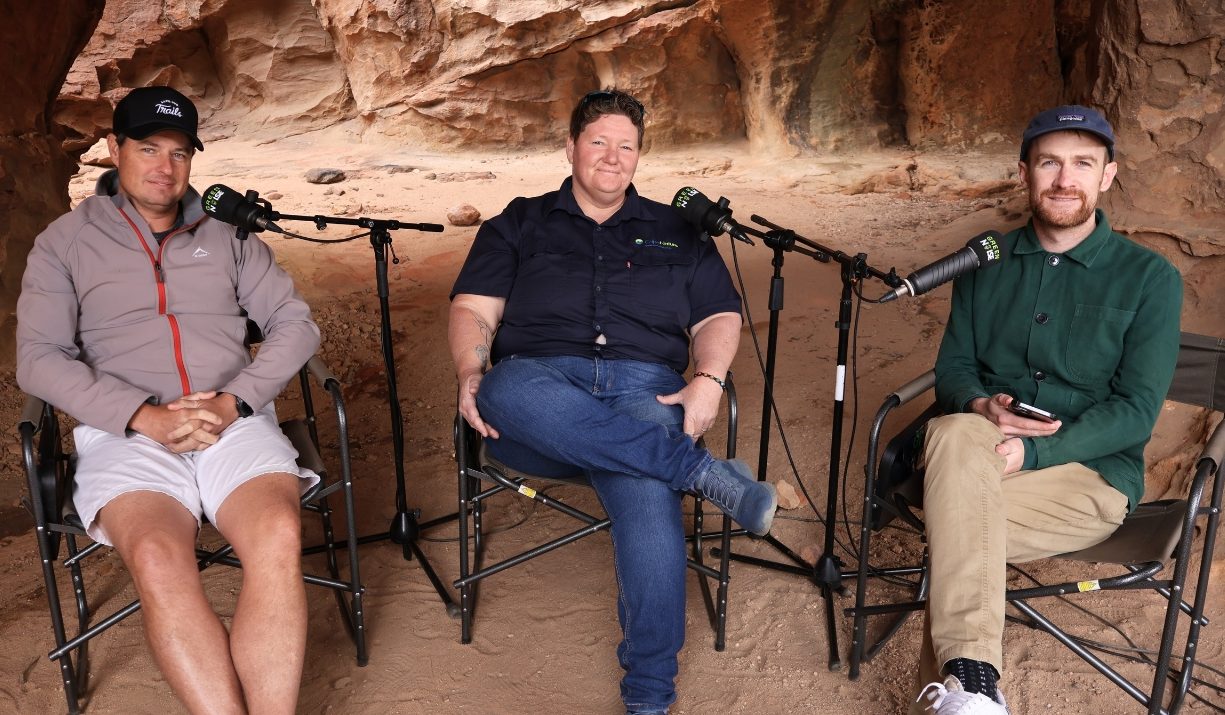
The flames have been extinguished
Although the flames have been extinguished, the consequences are far from over. Large sections of the wilderness remain closed, including hiking trails, wild camping areas and key sites. Authorities are assessing safety risks, carrying out rehabilitation and allowing fragile ecosystems time to recover. In fire-prone fynbos landscapes, recovery can take many years – and in some cases decades. The loss of vegetation has already affected biodiversity, tourism and local livelihoods such as farming and small-scale harvesting.
Fire remains a natural part of fynbos ecosystems
Against this backdrop of destruction, experts warn that climate change is intensifying the scale and frequency of wildfires. Unpredictable weather patterns, prolonged heatwaves, shifting wind systems, and irregular rainfall are extending fire seasons. This also increases fire intensity across the province.
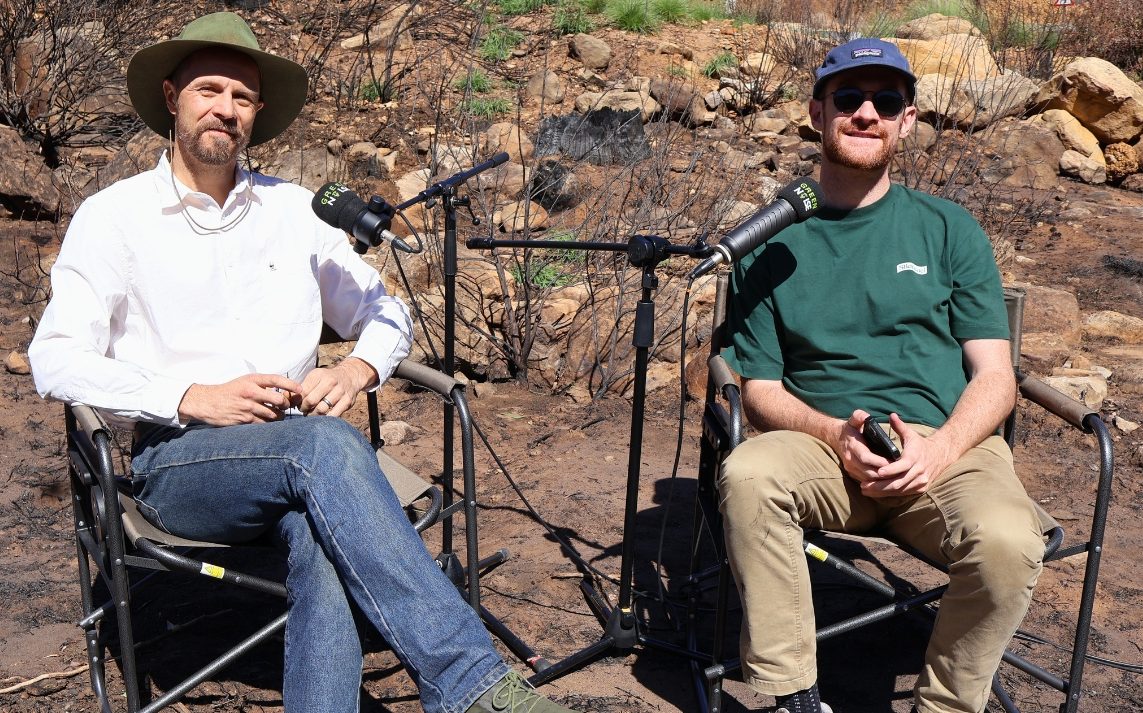
The consequences are far from over
CapeNature conservation manager Monique Ruthenberg says fire remains a natural part of fynbos ecosystems, but its behaviour is changing rapidly. She points to human pressure near protected areas, vegetation build-up after recent floods, and longer, hotter summers as key drivers of more severe fires. Climate specialists, including contributors from the World Wildlife Fund South Africa, echo these concerns. They also note that warming temperatures and prolonged dry spells are reshaping fire regimes both locally and globally.
Emergency fire series of the Green Noise podcast
These realities are explored in depth in a newly released emergency fire series of the Green Noise podcast. This went live in April 2026. Through firsthand accounts from firefighters, aerial crews, conservationists and climate experts, the series captures the scale, complexity and human toll of battling wildfires in rugged terrain like the Cederberg. It also examines the environmental and economic fallout long after the smoke has cleared.
The podcast’s impact has gained international recognition
The podcast’s impact has gained international recognition, with Season 3 named a finalist at the International Tourism Film Festival Africa 2026. This underscores its role in giving voice to nature, sustainability and the realities of climate change.
The Green Noise fire series is available on CapeNature’s website and all major podcast platforms, offering listeners a sobering look at how fire damage, climate change and emergency response are increasingly intertwined in the fight to protect the Western Cape’s natural heritage.