


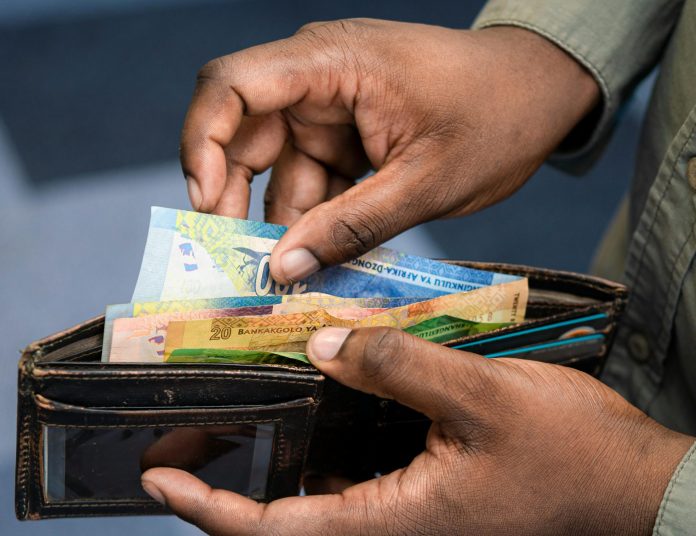
What to expect from salary increases in 2024/2025. This is the topic Dr Mark Bussin, Master Reward Specialist and Executive Committee Member of the South African Reward Association (SARA) is looking into. He says South Africans can look forward to an average salary increase of 6% in 2024/2025.
“There is a glimmer of hope regarding GDP growth and, if we continue on this trajectory, it could mean the brighter future we’ve all been praying for,” he says.
What to expect from salary increases in 2024/2025
Salary increases may not be the only consideration in a robust total rewards programme, but they are a cornerstone. For organisations, they’re also a key factor in business sustainability.
Likewise, they are essential to employees who, due to inflation, become relatively poorer over any given year. A timely salary increase helps them stay ahead of the cost of living and pursue a lifestyle they’re content with.
Influences
Typically, the starting point for setting salary increases is the consumer price index (CPI). However, employers need to consider additional factors, such as:
● The projected financial performance of the organisation
● The affordability of the increases
● The sustainability of the business
● The extent of salary increases in the previous year
● The performance of individual employees
● Union expectations and demands
● Current employee remuneration compared to market benchmarks
● How important the attraction and retention of key roles and critical skills are to the organisation

Understanding these and other factors unique to their business helps employers take the guesswork out of salary increases.
What to expect
SARA’s data indicates that increases for 2024, by staff category, will look as follows:
● Unionised Staff – median of 6.25%
● General Staff – median of 6.01%
● Specialists – median of 6.00%
● Management – median of 5.97%
● Executives – median of 5.79%
● CEO – median of 5.70%
The increase percentage above inflation is the employee’s real salary increase. According to Stats SA, inflation is currently 4.4%, so an increase of, say, 6% results in a real salary increase of 1.6%.
SARB’s recent reduction in interest rates from 8.25% to 8% also improves the cost-of-living gap somewhat as workers will pay less to service their debt.
However, according to Dr Bussin, there is a thin silver lining, as many employees remain over-indebted while others continue to live in what he calls “in-work poverty. “We need to aim for a living wage that allows workers to live with dignity,” he says.
Rewards and growth
While salary increases are a hot topic right now, Dr Bussin warns that remuneration and increases do not live in a silo.
“The country needs growth, and growth needs skills and talent,” he says. “We have both, but we must unleash them by creating the correct government policy framework and certainty to support it.”
Therefore, lawmakers need to urgently implement much-needed policy reforms to boost organisations’ ability to grow and hire unemployed people.
READ MORE: Month-end blues: Many salary earners in the red before payday