


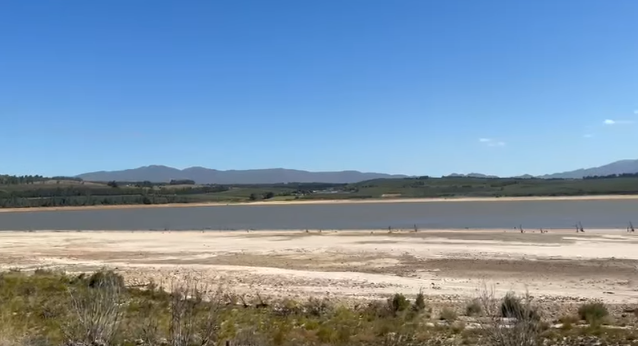
The Department of Water and Sanitation have raised concerns over declining dam levels in the Western Cape, warning of growing pressure on water supply systems amid below-normal rainfall expectations.
Speaking during National Water Month, Provincial Head Ntombizanele Bila-Mupariwa said the province’s major dams are now sitting at about 48%, down significantly from over 65% at the same time last year.
The Olifants-Doorn catchment is hovering around 30%, while the Theewaterskloof Dam, the province’s largest, has also declined sharply to about 47%.
The dams in and around Cape Town form part of the Western Cape Water Supply System, with Cape Town’s major dams sitting on 49% on average.
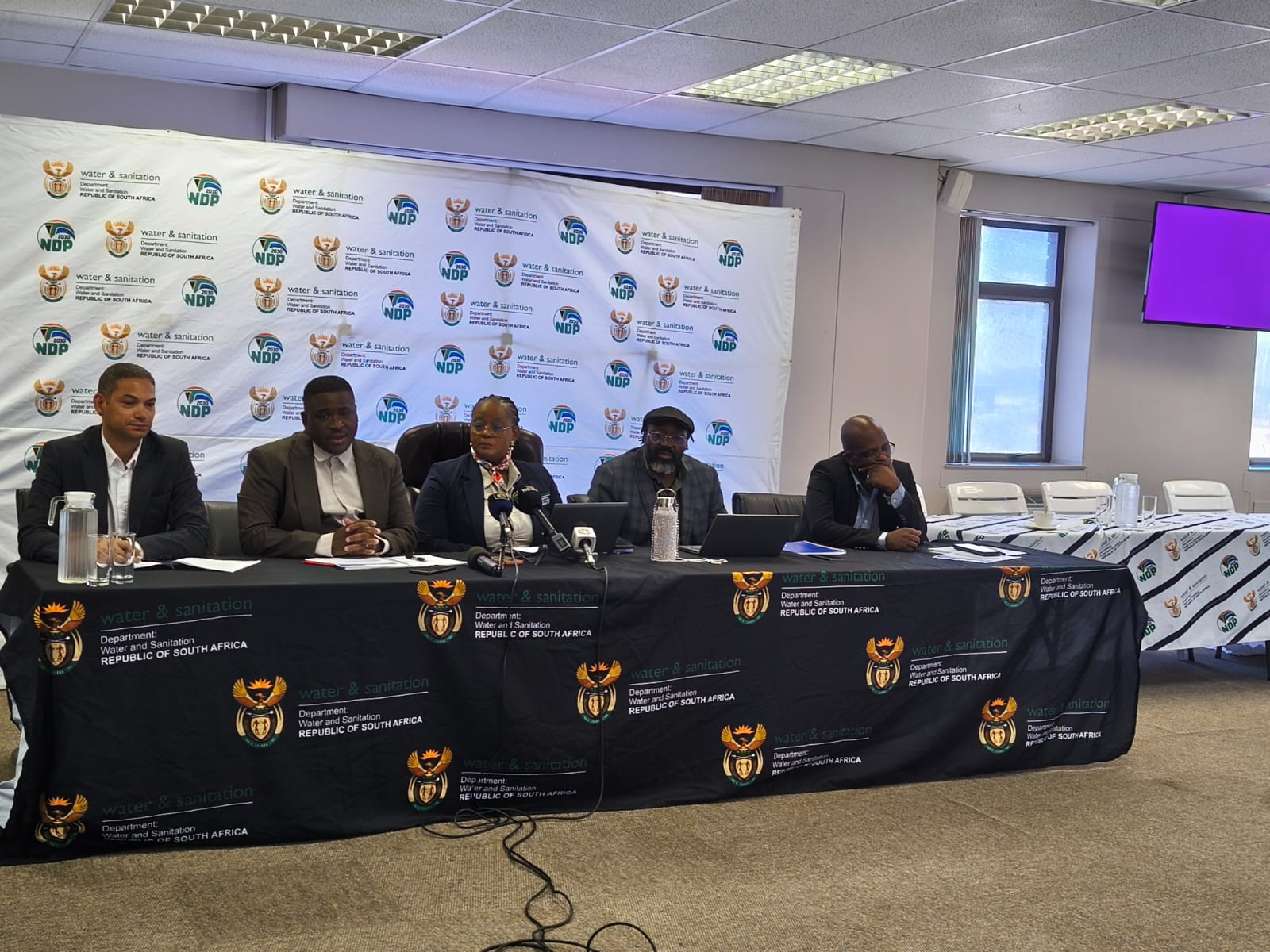
Authorities say the drop is being driven by a combination of low rainfall, high water consumption, ageing infrastructure leading to leaks, and rising temperatures increasing evaporation.
The Garden Route is among the hardest-hit areas, with parts of Knysna facing critical localised water shortages.
The Department says interventions are underway, including fixing leaks, exploring groundwater sources, upgrading infrastructure, and enforcing water restrictions where necessary. A decision on water restrictions has however, not been taken yet.
The City of Cape Town has warned that restrictions may have to be implemented soon.
Long-term plans also include expanding dam capacity and boosting supply through augmentation projects.
Residents are being urged to use water sparingly as forecasts from the South African Weather Service point to continued below-average rainfall in the coming months, raising the risk of further declines.