

The Western Cape Department of Health and Wellness says it is closely monitoring meningococcal meningitis cases in the province as part of ongoing disease surveillance, while urging parents to ensure children are fully immunised.
A total of 11 confirmed meningococcal disease cases, including one death, were recorded between 1 January and 22 February 2026. Eight cases were reported in the Cape Town Metro, two in the Cape Winelands District, and one in the Overberg District.
Health officials say the cases are sporadic and do not constitute an outbreak, although most infections have occurred in children under the age of one year.
The department is simultaneously managing measles and diphtheria outbreaks, linked to declining childhood immunisation rates and gaps in population immunity across the province.
What is meningococcal meningitis?
Meningococcal meningitis is caused by the bacterium Neisseria meningitidis. Although uncommon, the disease is severe and can be fatal. It spreads through respiratory droplets released when infected people speak, cough or sneeze, particularly in crowded environments such as schools, crèches and student residences.
Common symptoms include:
- Sudden fever
- Severe headache
- Nausea and vomiting
- Stiff neck
- Sensitivity to light
- Irritability
- A dark red rash on the body
Health authorities urge parents to seek immediate medical care if these symptoms appear.
The disease occurs year-round in South Africa, with higher cases typically recorded between June and October. Infants are the most affected group, followed by young adults aged 15 to 24.
Close contacts of confirmed cases are traced and provided with preventative antibiotic treatment where necessary.
While meningococcal vaccines are registered in South Africa, they are not part of the national immunisation programme and are mainly offered to high-risk individuals through tertiary hospitals or private healthcare providers.
Measles cases rising
The department has also raised concern about increasing measles infections, particularly in the Cape Town Metro, where 203 laboratory-confirmed cases were recorded between late December 2025 and mid-February 2026.
Targeted vaccination campaigns began in Du Noon on 18 February and are continuing in affected areas, including Eastern, Mitchells Plain, Northern and Tygerberg sub-districts.
Measles is a highly contagious viral illness affecting the respiratory system. Symptoms include fever, rash, coughing, runny nose and red eyes. Serious complications can include pneumonia, diarrhoea, brain infection and blindness, especially in young or malnourished children.
The measles-rubella vaccine forms part of South Africa’s routine immunisation schedule and is administered at six months and 12 months of age, with catch-up doses available.
Diphtheria warning
Diphtheria, a serious bacterial infection that affects the throat and breathing, is also under surveillance. The illness can cause a thick coating at the back of the throat, making swallowing and breathing difficult.
Vaccination remains the most effective protection. Children should receive diphtheria-containing vaccines at 6, 10 and 14 weeks, again at 18 months, with booster doses at six and 12 years.
Call to parents
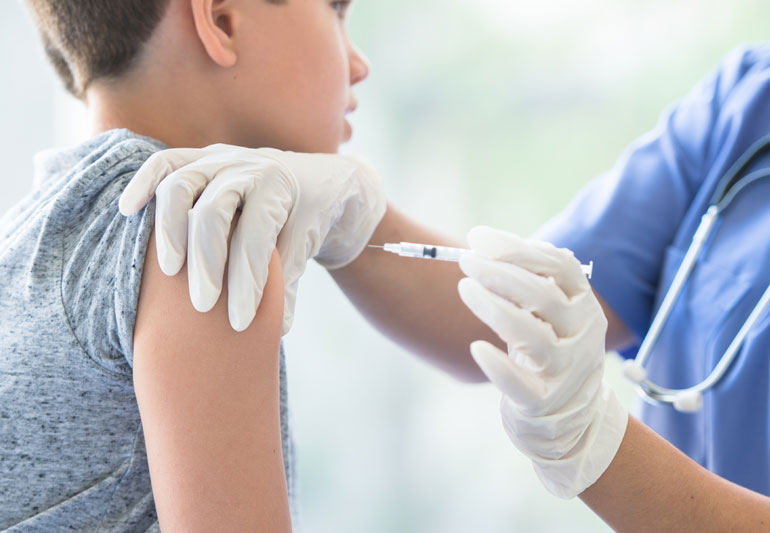
The Department of Health and Wellness is urging parents not to assume their children are protected and to ensure routine immunisations are up to date.
Free childhood vaccines are available at all public health facilities, with catch-up doses offered for children who missed scheduled vaccinations. Parents are also encouraged to sign consent forms for school vaccination programmes and attend clinic appointments.
Health officials say improving immunisation coverage is critical to protecting children and preventing further outbreaks in the province.