


The Western Cape is facing increased pressure on its water resources, with the Department of Water and Sanitation announcing precautionary water allocation cuts following below-average winter rainfall and declining dam levels.
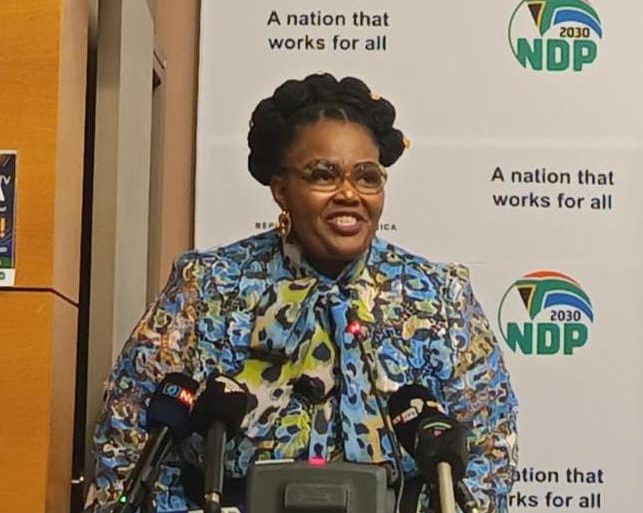
Minister of Water and Sanitation Pemmy Majodina announced the measures during a media briefing on Monday, 16 November 2026, following the department’s Annual Operating Analysis of the Western Cape Water Supply System for the 2026/27 hydrological year and confirmed that these measures will come into effect once formally gazetted.
According to the department, combined dam storage levels stood at 72.5% on November 2, compared to 84.4% during the same period last year.
Majodina says while the system remains operationally stable and is currently able to meet water demand, the declining levels are a concern, particularly with forecasts pointing to a strong to extreme El Niño event.
She says this could bring higher temperatures, increased evaporation and less water flowing into dams.
“The Province is in a less favourable position than in recent years. While the major dams remain at acceptable levels overall, some key components of the system have recorded significant declines compared to the previous year. Storage levels remain significantly above those experienced during the severe drought period of 2016-2017; yet, the current water storage is below the preferred operational threshold of 80% and approximately 11.9 percentage points below the ten-year average of 84.49%.”
As a precautionary measure, domestic and industrial water allocations will be reduced by 7%, while irrigation allocations for farmers will be cut by 15%. However, the reduction in domestic water allocations does not necessarily mean immediate household water restrictions, with municipalities responsible for managing their available water supplies.
The reductions amount to approximately 56.8 million cubic metres of water per year, representing 11% of the system’s total allocations.
Majodina says the measures are necessary to protect water reserves and ensure the province has enough water to meet future needs.
“These measures are intended to protect strategic water reserves, strengthen resilience against future droughts and ensure that sufficient water remains available for households, economic activities and essential environmental requirements.”
The department warns that the situation could become more challenging from 2027 onwards if water users continue using their full allocations without intervention.
Modelling by water resource specialists indicates that the risk of water shortages and mandatory restrictions could increase substantially if demand is not brought down.
The Minister has thanked water users for not making full use of their current allocations and urged them to continue using water responsibly, calling on municipalities, businesses, industries, farmers and households to strengthen water conservation efforts.
“Water conservation is no longer a temporary response to drought. It must become a permanent feature of how we manage this precious resource,” Majodina said.
Residents are also encouraged to observe municipal water restrictions and report water wastage and violations of water-use by-laws to their local municipalities.