


The relocation of two Cape Peninsula baboon troops to a wildlife sanctuary has sparked a heated debate, dividing animal welfare groups, conservationists and affected communities.
The Waterfall and Seaforth troops were moved from the Simon’s Town area to the Urban Wildlife Centre at Kogelfontein on Friday, 13 November, as part of the Cape Peninsula Baboon Strategic Management Plan.
The move follows years of human-baboon conflict, with authorities saying the intervention is aimed at protecting the animals while reducing conflict with residents.
However, animal welfare activists have strongly criticised the decision, opposing the placement of healthy, free-ranging baboons in permanent captivity.
The Cape of Good Hope SPCA, which had inspectors on site to monitor the capture, handling and transportation of the animals, has stressed that its presence does not amount to support for the relocation.
The organisation says it remains opposed to permanent confinement but believes the sanctuary offers an alternative to the immediate dangers baboons face in urban areas, including being shot, poisoned and injured.
It says its inspectors raised concerns during the operation, which were addressed by the relevant role players. Three veterinarians were also on site.
The Cape Baboon Partnership, meanwhile, has defended the relocation, saying it was a non-lethal alternative to culling.
The organisation says experts had previously identified the affected troops as expendable, with removal options, including culling, outlined in the Baboon Management Action Plan.
It has also criticised what it describes as misinformation and personal attacks surrounding the operation.
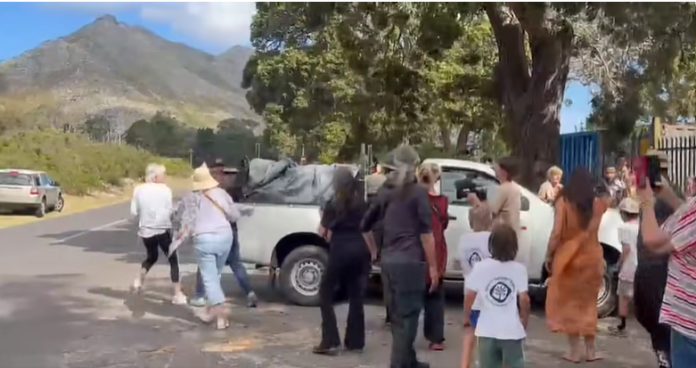
The relocation has also prompted protests, with the SPCA reporting that demonstrators obstructed the sanctuary entrance while a vehicle transporting baboons was attempting to enter.
The organisation warned that delays could prolong the animals’ time in transport crates and add to their stress.
Adding to the controversy, the Cape Baboon Partnership announced that the alpha male of the GOB troop was found dead on 12 November. A veterinary examination reportedly found that the animal had been shot in the chest.
The organisation has appealed to anyone with information about the shooting to come forward.
Part of a wider management plan
The relocation forms part of a broader strategy approved by the City of Cape Town, SANParks and CapeNature to reduce human-baboon conflict across the peninsula.
Other interventions include the rollout of 6,000 baboon-proof bins in affected communities and the construction of a northern boundary fence between Zwaanswyk and Constantia Nek.
The fence is intended to keep baboons within their natural mountain habitat and away from residential and agricultural areas.
The authorities say the overall goal is to maintain a healthy, sustainable, free-ranging baboon population while reducing conflict with people.
However, the relocation of the Waterfall and Seaforth troops has exposed deep divisions over how best to achieve that goal, with questions remaining about the long-term welfare of the animals and the effectiveness of the management strategy.