


Several schools in Hout Bay have reported suspected cases of measles, amid growing concerns over child declining immunisation rates.
The Western Cape Health and Wellness Department confirmed that a total of 39 suspected cases have been reported in the area since December last year.
“The Western Cape Department of Health and Wellness confirms that suspected cases were identified at multiple schools in Hout Bay,” said the department in response to SmileFM’s query.
According to reports, the affected schools include Hout Bay Primary, Oranjekloof Moravian Primary, and Disa Primary.
The department highlighted that the rise in measles cases is prevalent across the country.
“The increase in measles cases is not unique to the Western Cape, as South Africa is currently facing a decline in childhood vaccination uptake.”
Meanwhile, data from the National Institute for Communicable Diseases shows that the Western Cape has consistently reported the highest number of new cases.
In the NICD’s last three “Weekly Measles and Rubella Situation Report” (with the latest figures recorded on 8 March 2026), the Western Cape recorded between 30 and 38 new cases. All the other provinces recorded figures under 10.
Nonetheless, the provincial Health and Wellness Department has urged parents to ensure that their children receive their routine immunisation, as not doing so poses a risk to public health.
“[It] threatens the country’s efforts to eliminate vaccine-preventable diseases. The decline has contributed to multiple outbreaks of measles, rubella, and diphtheria across the province, indicating concerning gaps in population immunity.”
The department noted that it has implemented an early warning and response system, which includes “strengthening coordination of the response, intensifying disease surveillance, clinical management of cases, and community engagement”.
There are also targeted vaccination initiatives in parts of the province where cases are increasingly prevalent.
“The department further confirms that a total of 2,415 learners has been vaccinated across these schools.”
How to spot measles
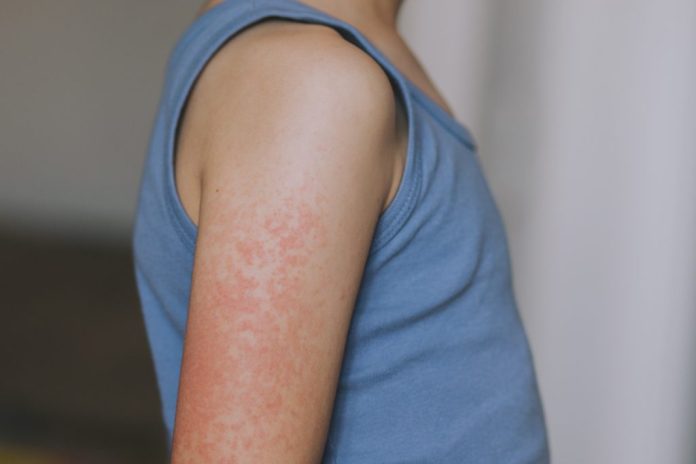
Symptoms of the disease include high fever, rash, runny nose, conjunctivitis, and coughing. It is highly contagious.
Parents are urged to monitor their children and keep them home if symptoms appear, to prevent further spread.
“Should your child run a fever, feel sleepy or struggle to eat, take them to the nearest clinic immediately.”
Potential complications include pneumonia, diarrhoea, brain infection, and blindness, particularly in young infants under two and malnourished children.
Free vaccines are available at public health facilities, with catch-up doses offered if a child has missed a vaccination. It’s also available through “private sector facilities and private-public partnerships”.
“Parents are urged not to assume their children are immune. They are encouraged to ensure that their children receive routine immunisations and to complete consent forms when school vaccination teams visit.”


