


It is definitely not a topic taken lightly. But even small steps in the advancement of cancer treatment is reason enough to celebrate.
Now I know there is still a very long road ahead before scientists can confirm a definite cure for cancer. Which is the second leading cause of death worldwide and sees, on average, ten million people die every year. These really are some frightening statistics. When taking this into account, every step towards a possible cure is a silver lining!
This week, Theunis Janse van Rensburg joined me for a different type of Tech Tuesday discussion. Scientists may have found some promising news!
Listen to my chat with Theunis HERE
This is a major breakthrough. https://t.co/CgVYcf3lRY
— MIT Technology Review (@techreview) April 14, 2023
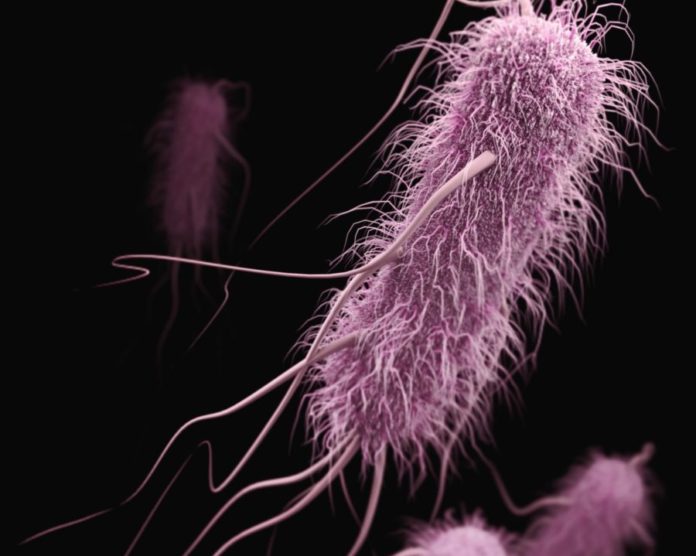
Researchers at Stanford made quite a significant breakthrough – that could lead to the treatment of actual cancer cells – by altering the genomes of bacteria and skin-based microbes swabbed off mice with cancer. They put it through what they call a gene splicer, changing the genome of the bacteria and reintroducing the bacteria and cells back into the mice.
‘Watching those tumors disappear’
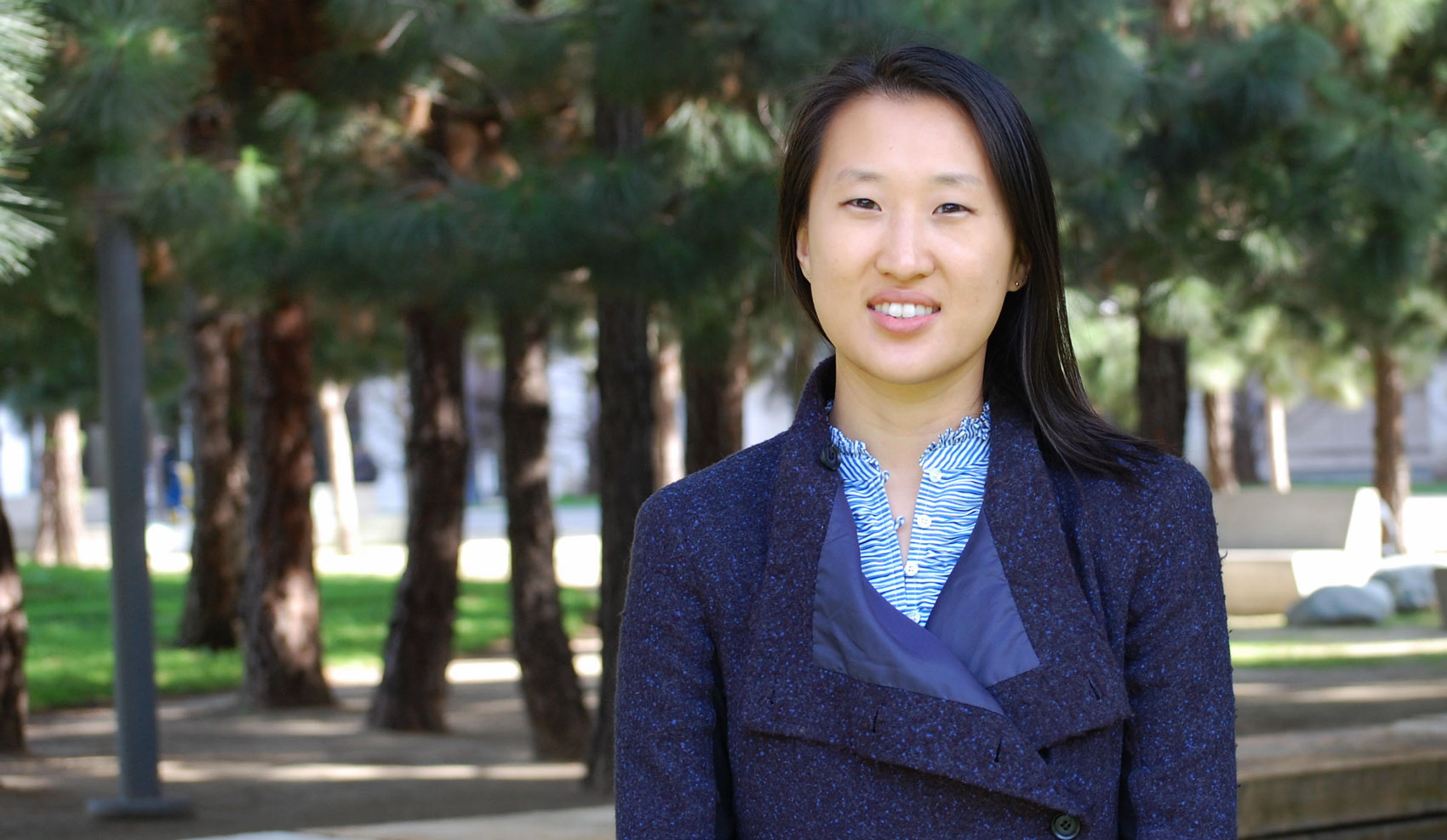
They found is that these altered genomes, when reintroduced, treat the cancer tumors and even dissipate in their early studies. Assistant professor of biology at MIT, Yiyin Erin Chen, is part of the team who made the amazing discovery. She says she ‘honestly hadn’t expected it to work‘.
Every other type of tumor vaccine research involves radiation, chemotherapy or surgery, but we barely did anything to these mice…The T cells did the work for us
READ MORE: Sony PlayStation handheld gaming console codenamed ‘Q-Lite’
Essentially, the altered bacteria introduces a new type of protein that stimulates the immune system, signalling the attack of the specific cancer cells. It really is quite a complicated process, but what makes this an exciting breakthrough, is that all of the current treatment options are broad-based with a high impact on the body.
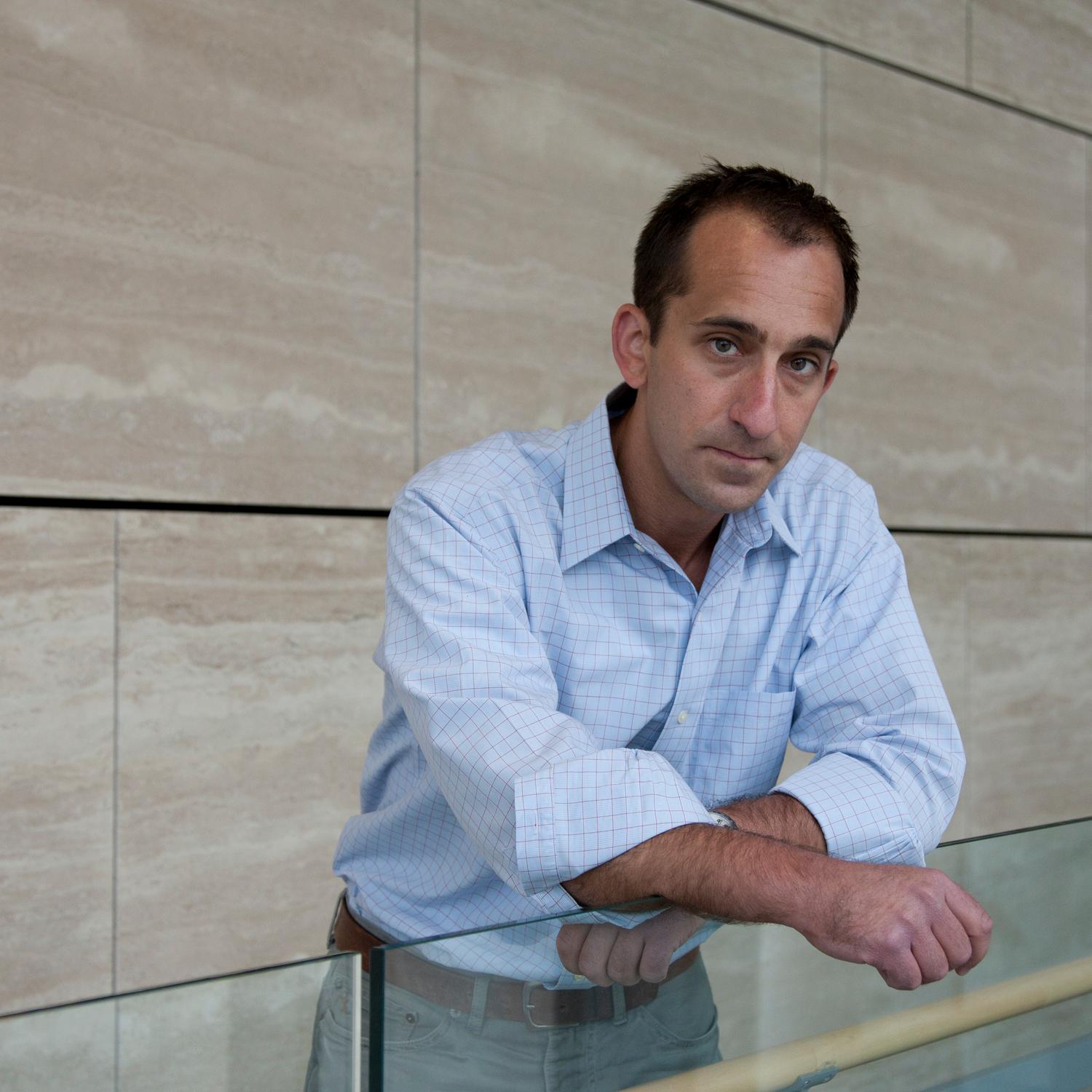
Furthermore, what these researchers are saying is that this process can be fine-tuned. Depending on the makeup of the cancer cells. Stanford associate professor of bioengineering, Michael Fischbach says he and the team were in disbelief after “watching those tumors disappear – especially at a site distant from where we applied the bacteria.”
If we can direct even a bit of this immune attention toward specific cancers — or potentially infectious diseases — we will have a very effective, low-cost therapy that can simply be applied to the skin
This is just the beginning – but a magnificent breakthrough nonetheless – and I am positive that further advancements will be made in the next few years. I hope we soon see this research and findings applied to cancer patients the world over!
READ MORE: This is how you can improve indoor air quality (6 steps)
More Posts for Show: