


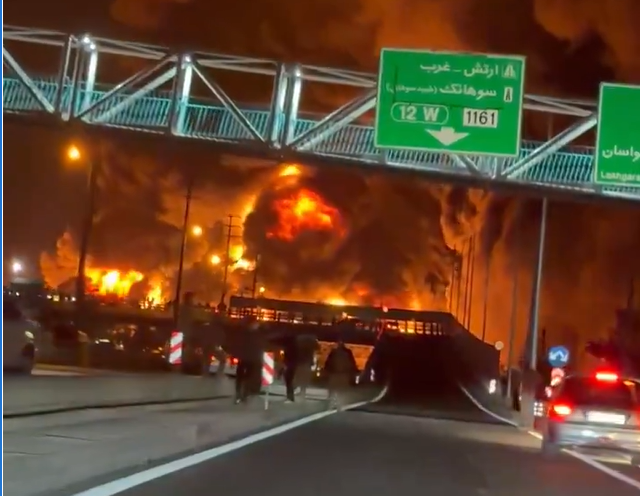
Oil prices have now surged above $100 a barrel for the first time in four years as the conflict in the Middle East shows no sign of de-escalating. Brent Crude oil was estimated at around $116 per barrel as of this morning, 9 March 2026.
Global markets have reacted sharply to fears that the conflict could disrupt key oil supply routes in the Middle East, particularly shipping through the Strait of Hormuz, which carries a significant share of the world’s oil.
The Strait of Hormuz is effectively closed to most international commercial traffic and major oil shipments, even as Iran denies it has closed the route.
Three major OPEC producers, Iraq, Kuwait and the United Arab Emirates, have been forced to cut oil output after running out of storage capacity, as exports through the Strait of Hormuz have been disrupted by alleged threats against oil tankers.
The spike also follows reports that at least five energy sites in and around Tehran were hit by strikes, triggering huge fires and what witnesses described as “apocalyptic” scenes in the Iranian capital.
The surge in crude prices is raising concerns about rising fuel costs and renewed inflation globally.
It could result in a fuel price disaster for South Africans from April, as the country imports most of its oil. Earlier in March, StanLib Chief Economist Kevin Lings said South Africans can expect a fuel price shock in April.
According to the Central Energy Fund, the average under-recovery on diesel on 6 March* 2026 (before the latest spike in Brent Crude to above $100) climbed to about 502 cents per litre, while petrol is at between 259c (93 unleaded) and 278c (95 unleaded) per litre.
This means if the fuel prices for April were to be fixed today, motorists would pay a staggering R5 more per litre for diesel and between R2.59 and R2.78 per litre more for petrol.
An under-recovery means fuel prices will increase. The estimate is expected to increase, as the latest under-recovery for 9 March has not yet been released.
The Road Freight Association says rising diesel prices are already putting pressure on the transport industry, which relies heavily on the fuel to move goods across the country, and higher fuel costs will inevitably be passed on to consumers.
This could result in higher prices for everyday goods, including food and household products.
The conflict is also creating uncertainty for exporters, particularly in the Western Cape.
Industry body Exporters Western Cape says shipping lines are beginning to review services to the Middle East amid rising tensions. The Strait of Hormuz, which handles roughly 20% of global oil supply, is also a key trade route for the region.
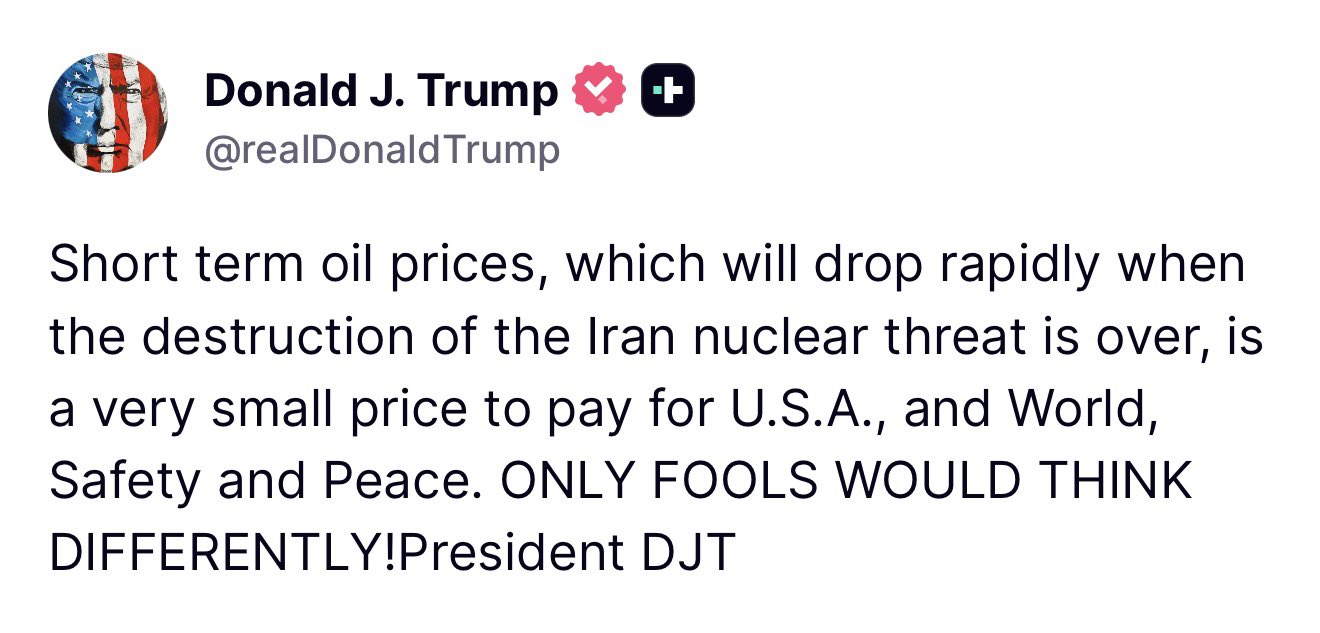
Meanwhile, US President Donald Trump has defended the military action in Iran, saying that oil prices will drop rapidly once “the destruction of the Iran nuclear threat is over.”
Iran has continuously denied that it was developing nuclear weapons, stating that the attack by Israel and the US was unprovoked.
At the same time, the death toll in the Middle East is climbing. More than 1,300 people have reportedly been killed in Iran and nearly 400 in Lebanon.
READ: Analysis suggests US responsible for deadly strike on Iranian girls school
*This article was updated to reflect the average under-recovery on fuel as of Friday 6 March