

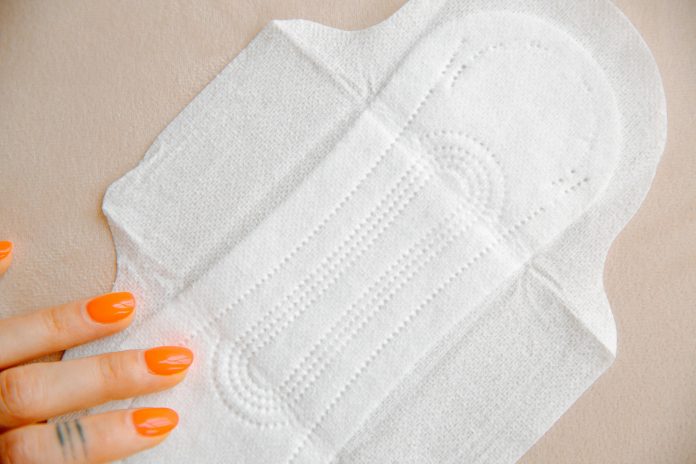
The National Consumer Commission (NCC) has launched an investigation into nine sanitary pad and panty liner suppliers following new research that found traces of hormone-disrupting chemicals in commonly used menstrual products sold in South Africa.
The probe follows a study conducted by the University of the Free State titled The presence of Endocrine Disrupting Chemicals in sanitary pads: A study done in South Africa, which examined the safety of widely available menstrual hygiene products.
What the study found
The research, published in the journal Science of the Total Environment, tested 16 sanitary pad brands and seven panty liner products for endocrine-disrupting chemicals (EDCs), including phthalates, bisphenols and parabens.
Researchers found that all products tested contained at least two of the targeted chemicals. Bisphenols were detected in every sanitary pad analysed, while phthalates were more common in panty liners and parabens were present in most products.
Chemical detection rates ranged between 50% and 100% across the products tested. Scientists estimated daily exposure through skin contact could range between two and 20 nanograms per kilogram of body weight under normal conditions.
Although exposure levels were described as relatively low, researchers warned that repeated use over many years could lead to cumulative exposure.
NCC launches investigation
Based on the findings, the NCC has initiated an investigation into suppliers whose products were reportedly included in the study.
These include:
- Kimberly-Clark South Africa (Kotex)
- Procter & Gamble South Africa (Always)
- Anna Organics
- The Lion Match Company (Comfitex)
- Johnson & Johnson South Africa (Stayfree)
- Premier Group (Lil-lets)
- Essity Hygiene and Health AB (Libresse South Africa)
- My Time
The regulator said the investigation will assess compliance with sections 55 and 24 of the Consumer Protection Act, which guarantee consumers the right to safe, good-quality products suitable for their intended use.
Suppliers will be required to conduct further testing or submit recent laboratory results assessing the presence of endocrine-disrupting chemicals. The NCC will then determine whether additional regulatory steps, including possible product recalls, are necessary.
Acting Commissioner Hardin Ratshisusu said the findings raise serious concerns affecting millions of women and girls and have been prioritised for investigation. Suppliers will be given an opportunity to respond before any final determination is made.
What consumers should know
Health experts stress that the study does not signal an immediate health emergency. Instead, it highlights the need for awareness and further scientific investigation into long-term exposure risks.
Researchers say consumers concerned about chemical exposure may consider alternatives such as organic cotton products, menstrual cups or reusable options, while regulators and manufacturers work toward clearer ingredient disclosure and improved safety testing.
The NCC said it will also engage with other regulatory authorities and stakeholders as the investigation progresses.
*Note: This article was updated to remove reference to “Here We Flo” (HWF) products. Here We Flo ceased supplying the South African market in 2021 following the termination of its distributor arrangements, and any residual stock was destroyed. The UFS study also did not identify or test any HWF products.