


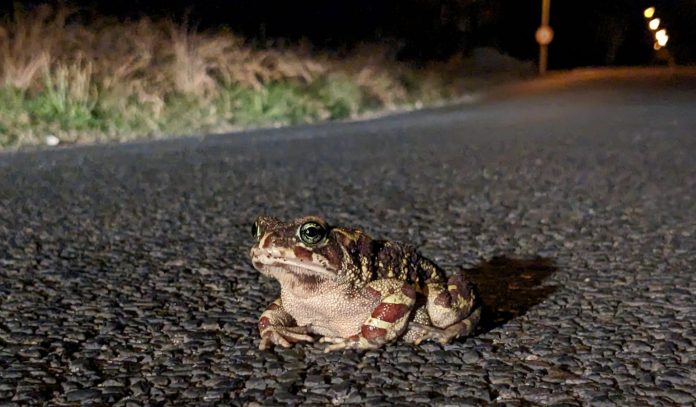
MOTORISTS, look out for migrating Western leopard toads. That’s the call from the Two Oceans Aquarium as these endangered amphibians will be making the perilous journey from their garden homes to their breeding ponds and wetlands. The Communications Officer at the Aquarium, Laura du Toit, says unfortunately, this journey involves crossing busy roads and contending with vehicles.
“In an interaction between a toad and a car, the toad always comes off second best.”
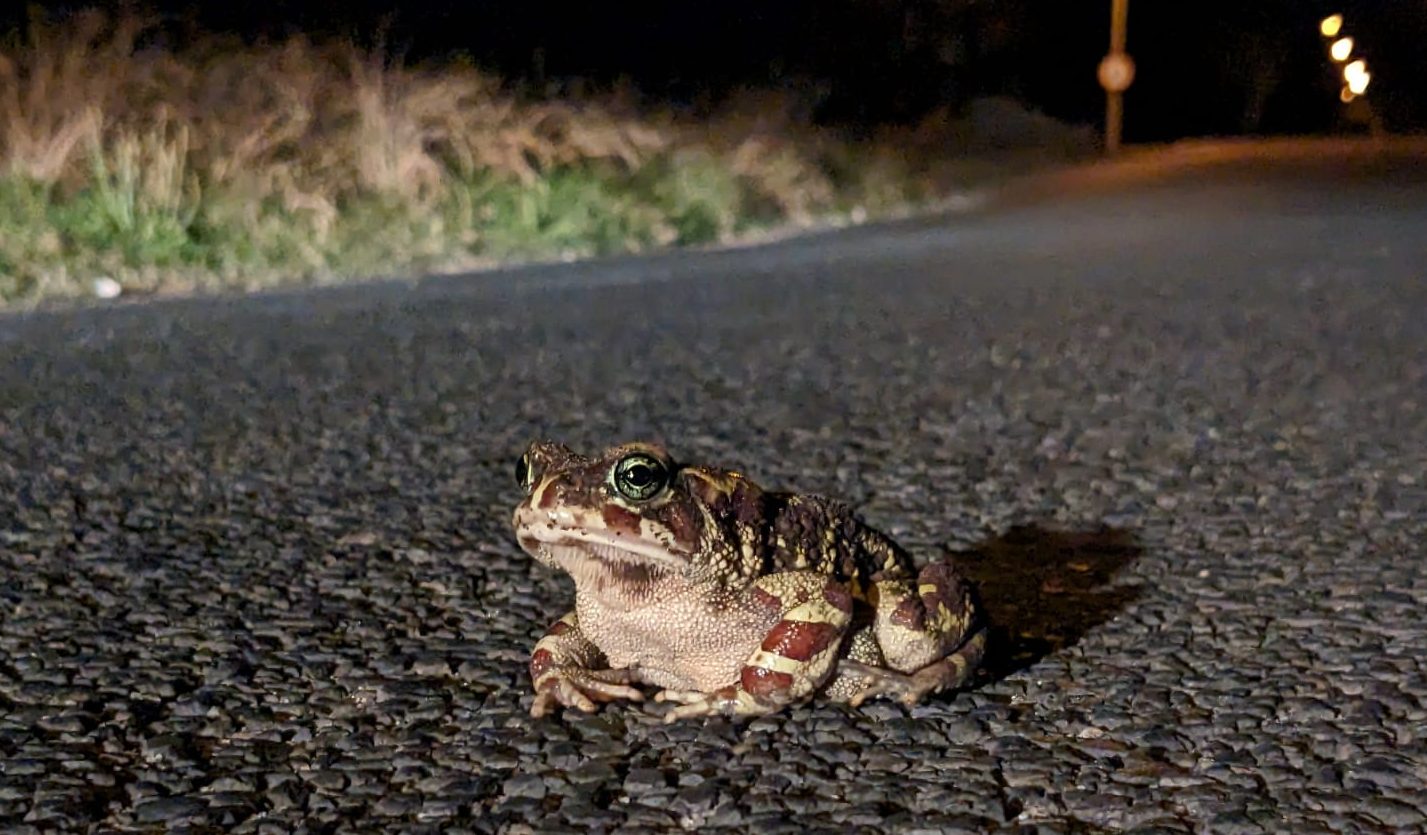
MOTORISTS, look out for migrating Western leopard toads
Du Toit says the annual migration takes place this month (in August). Meanwhile, Two Oceans Aquarium Conservation and Sustainability Manager, Helen Lockhart, says the Western leopard toads’ migration is fraught with danger. She says these toads must navigate suburban roads at night. Lockhart added that some toads travel up to 5km to get to their breeding grounds. However, many lose their lives on the roads. She says, in an interaction between a toad and a car, the toad always comes off second best.
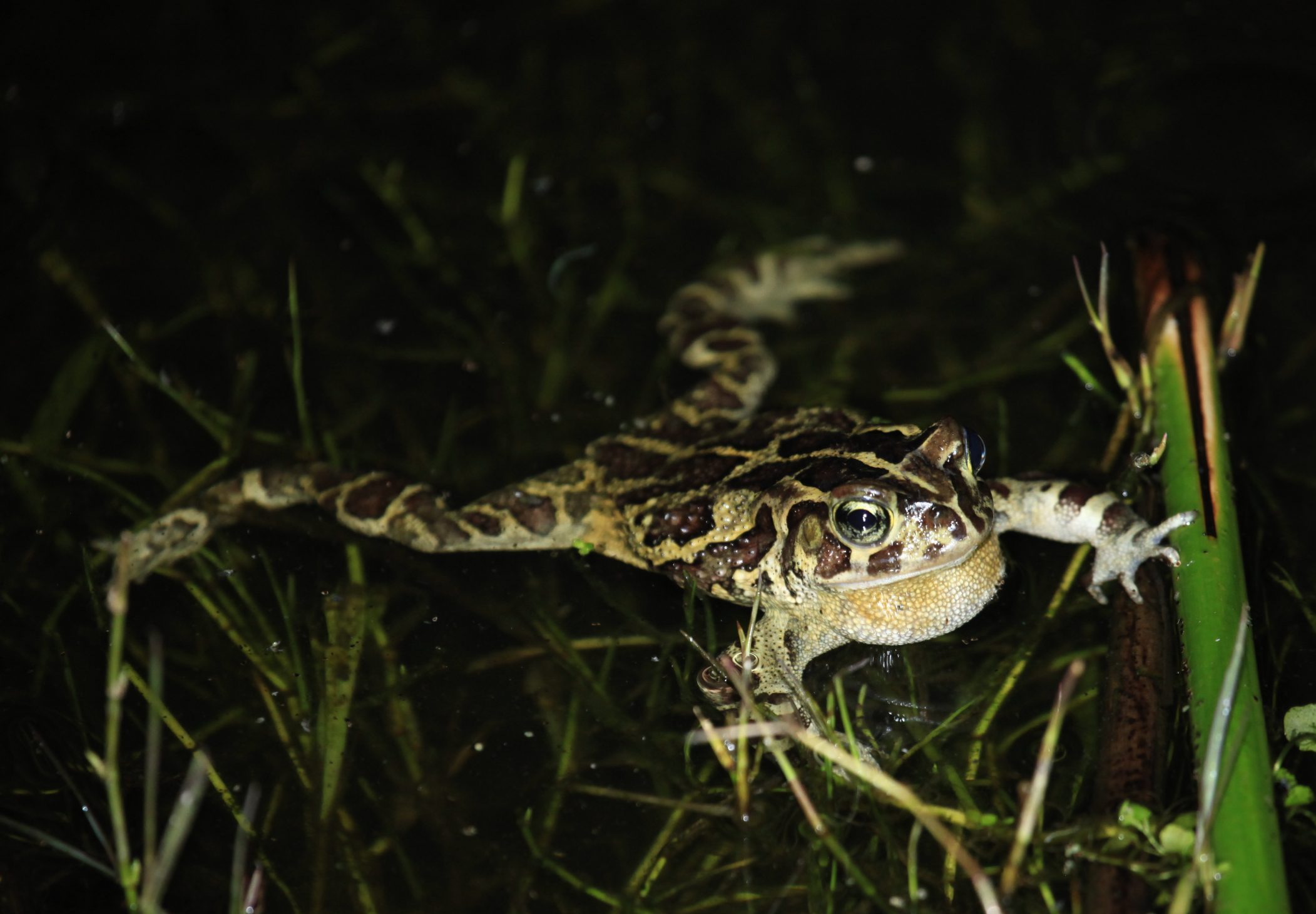
Two Oceans Aquarium urges motorists to look out for migrating Western leopard toads
Another important point to note is that these frogs tend to move after heavy rains. Several areas in the Mother City have already begun to experience this migration. Lockhart says migration hotspots include Kirstenhof, Lakeside, Muizenberg, Norfolk Park, Orchard Village, Tokai, Constantia, Zeekoevlei, Rondevlei, Grassy Park, and Noordhoek. She added, “The hard-working Western leopard toad coordinators in these areas appeal to the public to drive slowly and look out for the toads on the roads at night.”
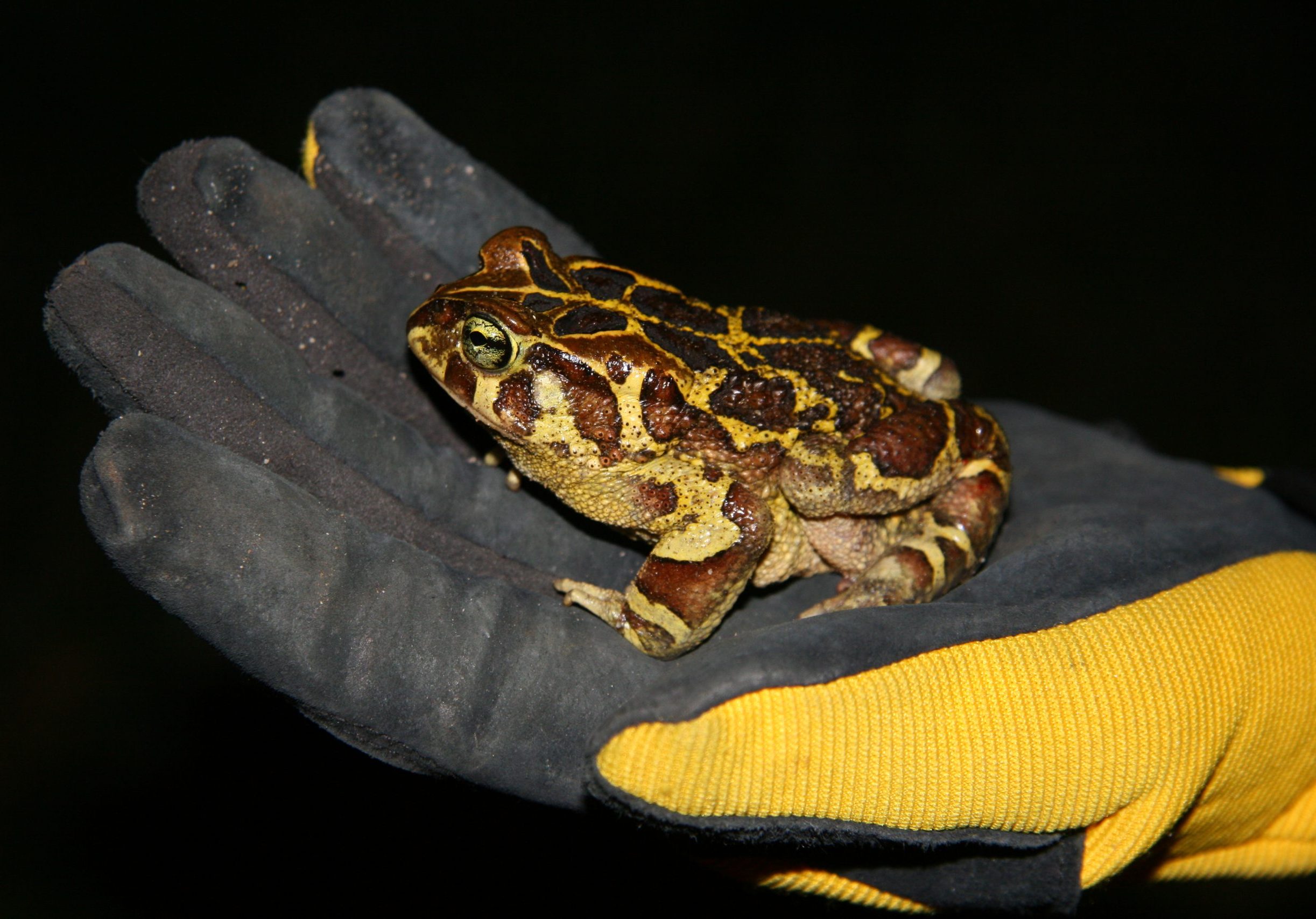
Toads can look like small white stones in the headlights of cars
She says toads can look like small white stones in the headlights of cars. Lockhart added, “If you spot a toad on the road, pull over safely, gently pick up the toad, and move it to the other side of the road in the direction it was facing. ” She says the toads know exactly where they are going, so you don’t have to figure it out for them.”
“Slow down and be safe on the roads! The toads will thank us by helping to keep mosquito, cockroach, and other insect populations in check,” said Lockhart.
According to a media statement, the Western leopard toad is endemic to the Western Cape. This means they live nowhere else in the world. It is known that these little amphibians are most active from late July to September, particularly in the August breeding season.
“During this time, the males make their way to the water first before beginning their iconically loud, snoring calls to attract females. As a uniquely Capetonian species, Western leopard toads’ survival depends on people making space for them in our shared urban landscapes.”
Members of the public can also help by volunteering during the migration season. Volunteers are needed in various areas to help patrol the roads at night and to move toads across the roads to safety. If you are keen to help or would like more information, get in touch with your local Western leopard toad coordinators at wltcapetown@gmail.com.
General enquiries: wltcapetown@gmail.com
| Western leopard toad coordinator | Area |
| Tony Rebelo (072 421 4692) | Bergvliet |
| Alison Faraday (082 771 6232) | Capri, Clovelly, Fishhoek, Glencairn, Kommetjie, Milkwood Park, Sun Valley – Southern Peninsula (SPOTS) |
| Suzie Phillips (082 476 1016) | Noordhoek (ToadNUTS) |
| Susan Wishart (083 441 4740) | Muizenberg West (Frogmore, Kirstenhof, Lakeside, Westlake, Blue Route, Marina Da Gama) |
| Michelle du Toit (082 780 3955) | Muizenberg West (Frogmore, Kirstenhof, Lakeside, Westlake, Blue Route, Marina Da Gama) |
| Dagny Warmerdam (083 741 5787) | Zeekoevlei, Rondevlei, Grassy Park |
| Safiyyah Hattas (Muizenberg.East@capetown.gov.za) | Zandvlei (Muizenberg East, Flora Road, Lake Road) |
| Kim Gordon (kimg@natureconnect.earth) | Nature Connect’s Zeekoevlei Amphibian Underpasses |
| Paula Strauss (paula@grootbosfoundation.org) | Gansbaai, Pearly Beach, Stanford to Papieskraal, Uilenkraal Valley |