


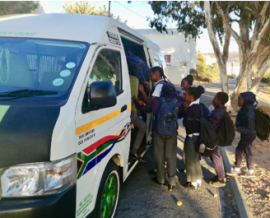
Nearly 22,000 Western Cape learners were affected on the first day of the fourth term, Tuesday, after the South African National Small Bus Operators Council (SANSBOC-WC) decided to suspend services. But after a high-level meeting with the Western Cape Education Department in the afternoon, the Council agreed to resume learner transport operations from today, 7 October.
Their grievance is about the soaring cost of diesel, and the brief suspension of services came after the Council said the WCED failed to meet a deadline to respond to contractors’ concerns.
SANSBOC-WC apologised for the disruption and said that while its members want to keep transporting children, contractors cannot continue operating indefinitely at a financial loss while fuel and other operating costs keep rising.
Western Cape Education MEC Jaco Londt acknowledged the financial pressures drivers are facing.
“We had an honest and frank discussion about the severe financial pressures facing the sector. The current economic climate, with high fuel prices, makes it near impossible for transport operators to have a sustainable business model when they are bound by contractual tariffs. We understand this.”
Londt says the Department is actively engaging with stakeholders on the possibility of diesel cost relief, despite significant budget implications.
“The WCED already spends R698 million in the 2026/27 financial year to transport over 71 000 learners every school day. Any relief must be considered in terms of budget affordability and due process.”
He says the Department will provide SANSBOC with a substantive response this Friday, 9 October.
An internal WCED meeting to discuss the cost implications of the fuel price increase will take place today, Wednesday.
“I want to thank SANSBOC-WC for its partnership in ensuring learners get to school safely. We are particularly mindful of our most vulnerable learners who depend entirely on this service, and our matric learners who cannot afford to lose a single day. I thank our officials, principals, parents and learners for their understanding.”