


Action Society is demanding public accountability from political parties negotiating Kannaland’s next municipal government, as convicted child sex offender and incumbent mayor Jeffrey Donson’s party, ICOSA, won 3 seats on the local council.
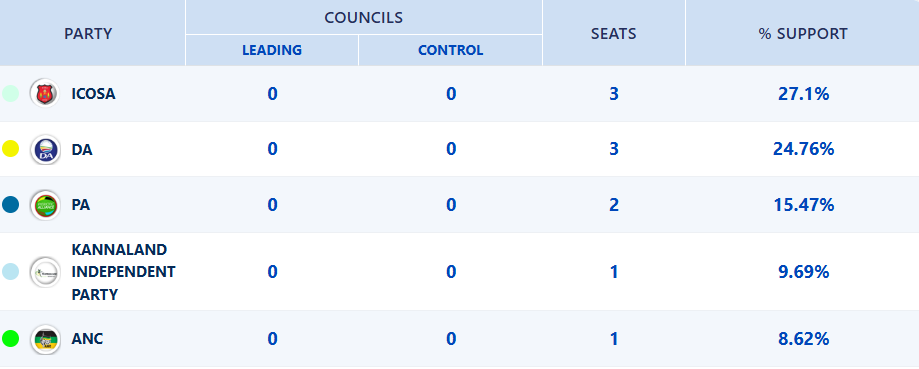
IEC results show ICOSA secured 27.1% of the vote in Kannaland, the DA 24.76% and the PA 15.47%. The DA also has 3 seats, the PA 2 seats, while the ANC and the Kannaland Independent Party (KIP) also won 1 seat each. Six seats are required for a majority.
Action Society says every party involved in coalition discussions should disclose whether it is negotiating with Donson’s Independent Civic Organisation of South Africa (ICOSA), whether his reappointment is being considered and what standards it applies when supporting candidates for public office.
Donson was convicted in 2008 of statutory rape and indecent assault involving a 15-year-old girl. His conviction was upheld on appeal, although his sentence was reduced.
“Coalition negotiations are taking place behind closed doors, but the people of Kannaland deserve to know what is being discussed. Are political parties considering an agreement that would allow a man convicted of sexual offences against a child to serve another term as mayor? If so, they must be prepared to explain that decision publicly,” says Juanita du Preez, national spokesperson for Action Society.
Du Preez says they have demanded the removal of Donson since 2022, and in 2023, the organisation launched an initiative calling for amendments to sections 47 and 106 of the Constitution to strengthen restrictions on convicted perpetrators holding public office.
Current electoral eligibility provisions do not impose a permanent prohibition on holding public office for every conviction involving a sexual offence against a child.
“South Africa cannot claim to prioritise the protection of children while avoiding difficult questions about accountability in public leadership. A criminal sentence may have been served, but the conviction remains part of the public record. Political parties must explain how they weigh that history when deciding who should lead a community.”
“The question for every party at the negotiating table is straightforward: What are your standards for public leadership, and how will you account for them to the people of Kannaland?”