


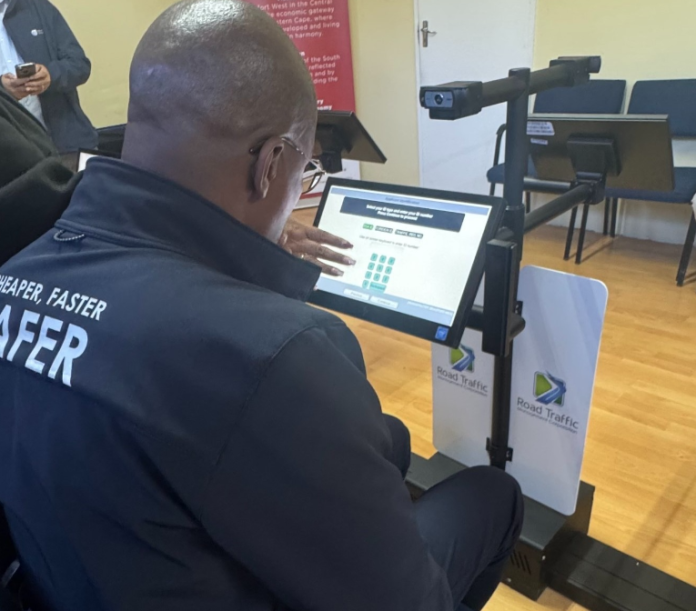
The Western Cape Mobility Department says a new computerised learner’s licence testing system is helping to reduce fraud and make the process fair for applicants.
The system, known as the Computerised Learner’s Licence Testing (CLLT) system, was launched nearly a year ago and has now been rolled out across the province, including at testing centres in Cape Town.
According to the Road Traffic Management Corporation (RTMC), the national learner’s licence pass rate has dropped from 68% to 40% since the system was introduced. Authorities believe this shows that cheating and corruption are being reduced.
“Before the rollout of the technology, officials at testing centres were reportedly able to identify question papers in advance and illegally provide learners with answers before the test, allowing unqualified applicants to pass. The new system has closed that loophole by randomly selecting question papers electronically, preventing officials from knowing which test will be used beforehand,” the RTMC said in a statement.
The RTMC said the lower pass rate indicates that fewer incompetent drivers are obtaining learner licences, a development the corporation believes will contribute to improved road safety and a reduction in road accidents.
Western Cape Mobility MEC Isaac Sileku says the new system is designed to make testing more reliable and fairer.
“A driver’s licence is more than just a card; it creates access to employment and economic opportunities. As government, we want to make the licensing process more accessible, fair, and efficient while maintaining high standards of road safety and integrity.”
The new testing system uses touchscreen kiosks, fingerprint verification, and randomly generated questions to reduce human involvement and limit opportunities for corruption.
Sileku also addressed complaints from some applicants who feel the system is too strict or unfair.
“This system is not just a technological upgrade. It is about improving transparency, strengthening road safety, and ensuring every applicant is treated fairly and with dignity,” he added.
The department says it plans to introduce more measures to improve public confidence, including random audits of failed tests and exploring ways for applicants to review incorrect answers after completing the test.


