15.2 C
Cape Town
Saturday, July 4, 2026
Home Blog Page 93

NATJOINTS is reiterating that protesters must act within the law

Investigation into Philippi protests
This image is for illustrative purposes only. Protesters blocked busy roads in Philippi, Cape Town with burning tyres. Photos: Sandiso Phaliso

NATJOINTS is reiterating that protesters must act within the law. The National Joint Operational and Intelligence Structure notes that although citizens have the right to peaceful protest, this right must be exercised without violence, intimidation, or any unlawful conduct.

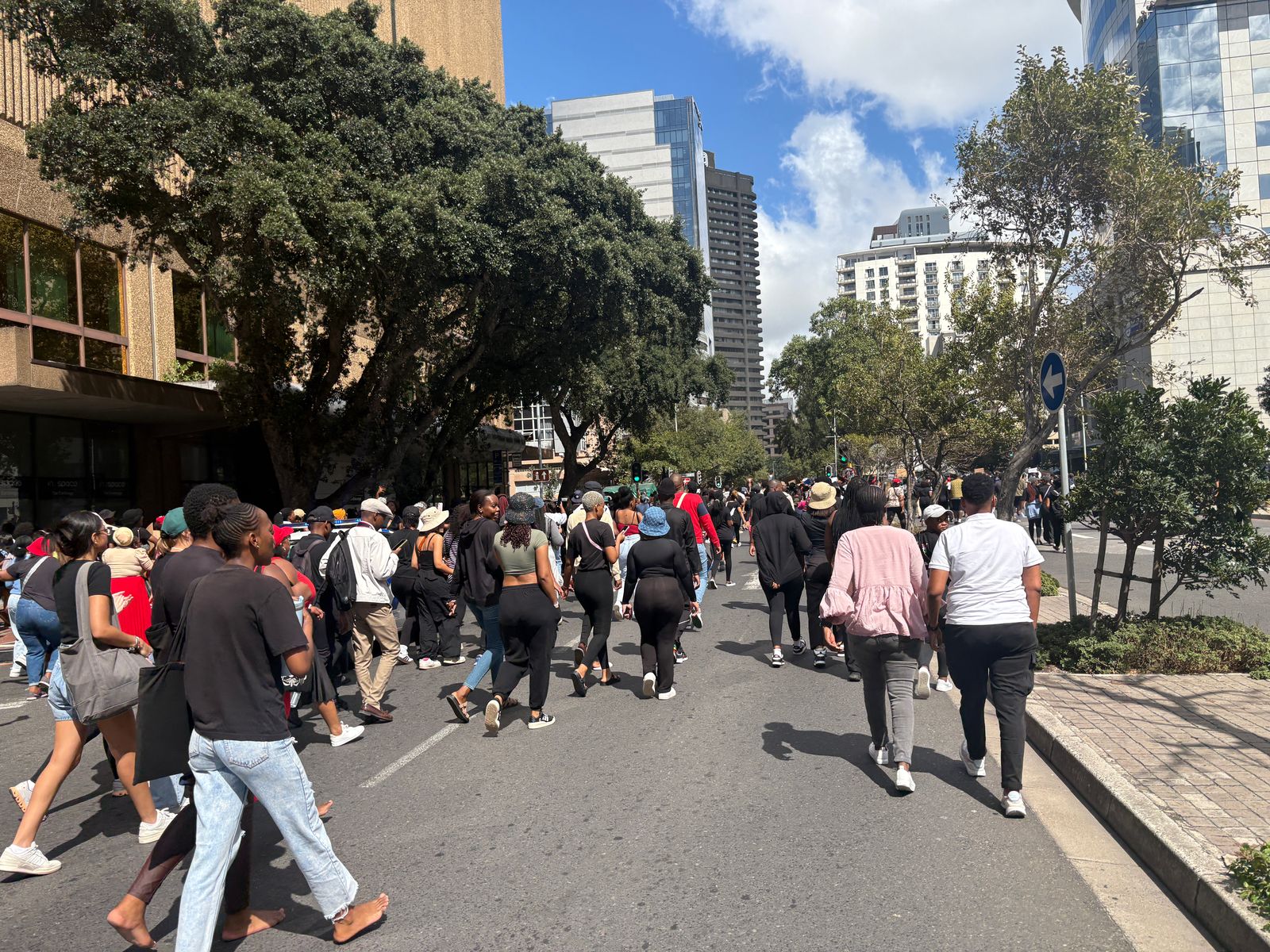
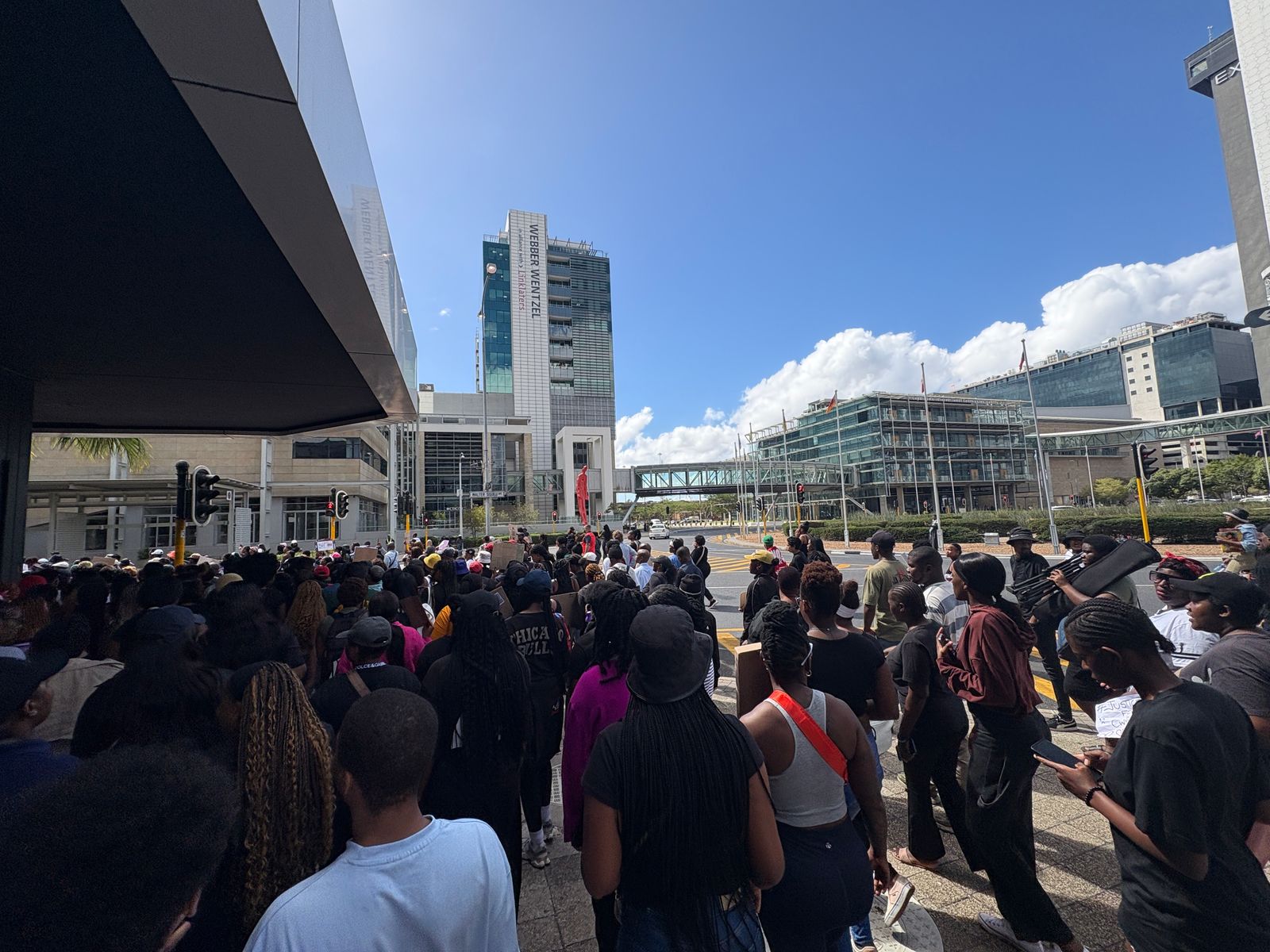
justice for cwecwe protest


NATJOINTS is reiterating that protesters must act within the law


The Police’s Brigadier Athlenda Mathe has, on behalf of NATJOINTS, called on all individuals and organisations taking part in marches to conduct themselves responsibly and within the confines of the law. Mathe has asked protesters to refrain from inciting violence or engaging in acts of intimidation against anyone while they are busy with their actions.

justice for cwecwe protest


Protesters should comply with instructions


She has also asked them not to carry dangerous weapons or any objects that may be used to harm others. At the same time, those taking part in protests should respect the rights, dignity, and safety of all people, regardless of nationality. Mathe has also stressed that protesters should comply with instructions from law enforcement officers deployed to maintain public order at all times.


 Do not carry dangerous weapons or related objects


She says law enforcement members have also been instructed to strictly enforce the law and to act decisively against any individuals found carrying dangerous weapons or engaging in incitement to violence.


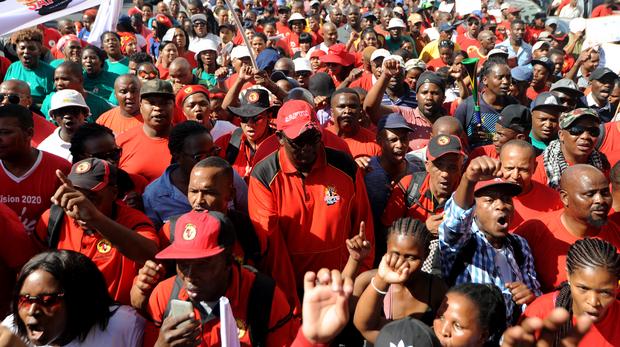
angry residents protest over electricity cuts
Photo credit: Leon Lestrade – Independent Newspapers.


Further financial strain anticipated for consumers, after fuel price hike


It is anticipated that consumers will feel even more strain on their pockets when the temporary fuel levy relief is reduced in the coming months.  


For this month, the levy for petrol was maintained at R1.10 with both grades having increased by R3,27 cents per litre, while the levy on diesel was reduced to zero, with the cost having risen by R5,27 cents per litre. This has pushed the cost of petrol to between R25,80 and R26,62 and diesel to over R30 per litre. 


READ MORE:  Fuel prices to surge from 6 May as global tensions push costs higher – Smile 90.4FM


In June, the fuel levy is expected to be R1,50 for petrol and R1,96 for diesel, with the levy set to return to R4,10 for petrol and R3,93 in July. 


READ MORE:  Fuel levy relief extended for May, with diesel levy reduced to zero – Smile 90.4FM


Because of this, the debt counselling company, Debt Rescue, predicts that the current financial pressure on consumers is likely to grow. COO Annaline van der Poel said people are now having to choose between transport, food and meeting financial obligations. 


“What makes this particularly concerning is that households have already adjusted their behaviour. People are driving less, cutting back where possible and trying to stretch their budgets. But there is a limit, especially when getting to work is not optional; it’s essential,” said van der Poel.  


With the knock-on effect of increased fuel costs, consumers can expect to see the impact in public transport fares, grocery bills and other everyday items.  


“Fuel prices don’t exist in isolation, they affect the cost of transport, food and essential goods. When diesel increases at this level, it drives up the cost of production and distribution across the economy, and that cost is ultimately passed on to the consumers,” said van der Poel.  


CEO of Debt Rescue, Neil Roets, suggested some ways consumers can alleviate some of the impact: 


  • Carpooling: which can free up much-needed income by reducing monthly fuel costs  
  • Use of loyalty/rewards cards: like ‘double-swiping’ (using a fuel station’s rewards card in tandem with a partnered bank or grocery loyalty programme to earn two layers of points or cashback on a single transaction) 
  • Adopting efficient driving habits: like reducing consumption by maintaining a steady 100km/h highway speed, avoiding the heavy fuel-surge of stop-start traffic through better momentum management, and grouping multiple errands into a single ‘loop’ to ensure the engine operates at its most efficient temperature. 
  • Fuel efficiency: by clearing unnecessary weight in or on the vehicle. 


“While the onus – rightly or wrongly – is on the man on the street to tighten his belt even further, it is essential that authorities respond with practical solutions to alleviate the financial pressure on South Africans, or we are looking at a consumer cost-of-survival crisis of immense proportions looming on the horizon,” Roets said.

GOOD: City must drop unlawful tariffs whether it appeals or not

City


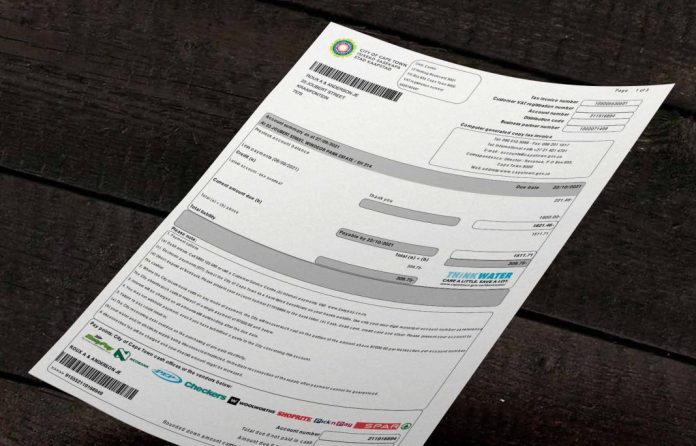
The GOOD Party says it has obtained legal advice stating that the City of Cape Town must drop fixed tariffs by 30 June, which were declared unlawful by the Western Cape High Court, regardless of whether the Metro appeals the ruling.


The court ruled that municipal services may only be charged in proportion to their actual use and that charges based on the value of the property in question are unlawful and unfair. The case was brought by Afriforum and supported by SAPOA.


READ: Court rules in AfriForum’s favour: Cape Town’s tariffs must be based on actual usage


GOOD says launching an appeal against last week’s judgment will not suspend its binding effect. The court ordered the City to stop these fixed charges by the end of June, which is also the date by which the City must adopt its 2026/27 budget.


The City of Cape Town had earlier argued that the order would be suspended should it appeal.


But GOOD argues that these tariffs will not be allowed to continue until such time as a higher court overturns the judgment.


GOOD Party Secretary-General Brett Herron says they have now written to the City’s legal representatives to request urgent transparency regarding the Metro’s budgetary intentions to mitigate the risk of legal delays.


“The upshot is that for the City’s next budget and tariff policy, it would be unlawful to impose the fixed tariff fees for cleaning, water and sewage, as they would violate section 74(2) of the Systems Act, in accordance with the ratio of the Full Court.
“This means that even if the City does intend to seek leave to appeal and pursues an appeal against the Full Court’s order, in that period the City cannot, in law, again impose the impugned tariffs on the residents of Cape Town.
“Aside from these legal principles, it would be highly inappropriate and irregular for the City to do so. If the SCA or Constitutional Court ultimately upholds the Full Court’s judgment and order, and rules against the City after a few years, Capetonians may be denied effective relief against the unlawful imposition of charges in the interim.”


The party has requested a response from the City on this matter by Friday, 8 May.


The City has yet to indicate whether it intends to appeal the ruling.


In a statement released after the ruling, Cape Town Mayor Geordin Hill-Lewis said the point of using property values to determine fixed charges is to protect lower and middle- income homes.


He argues that the only alternative to this is for everyone to pay a flat charge, regardless of whether they are low-income or affluent.


Hill-Lewis added that if this ruling stands, the City-wide cleaning charges will likely be moved back into the property rates account rather than being charged as a tariff, which would entail an increase to the proposed rate-in-rand.


As it stands, the City has tabled a 10,2% reduction in the rate-in-rand in the draft 2026/27 budget.


Meanwhile, the Cape Town Collective Ratepayers Association wants the City to extend the deadline for public participation in its draft municipal budget.


The association wants the public to be given until 15 May for public participation in the municipal budget, so there’s enough time to analyse this court judgement, arguing the City needs to clarify what the ruling means in relation to the budget. The deadline to comment expired on 30 April.

Police Search for Suspects After R13m Cocaine Intercepted in Durban

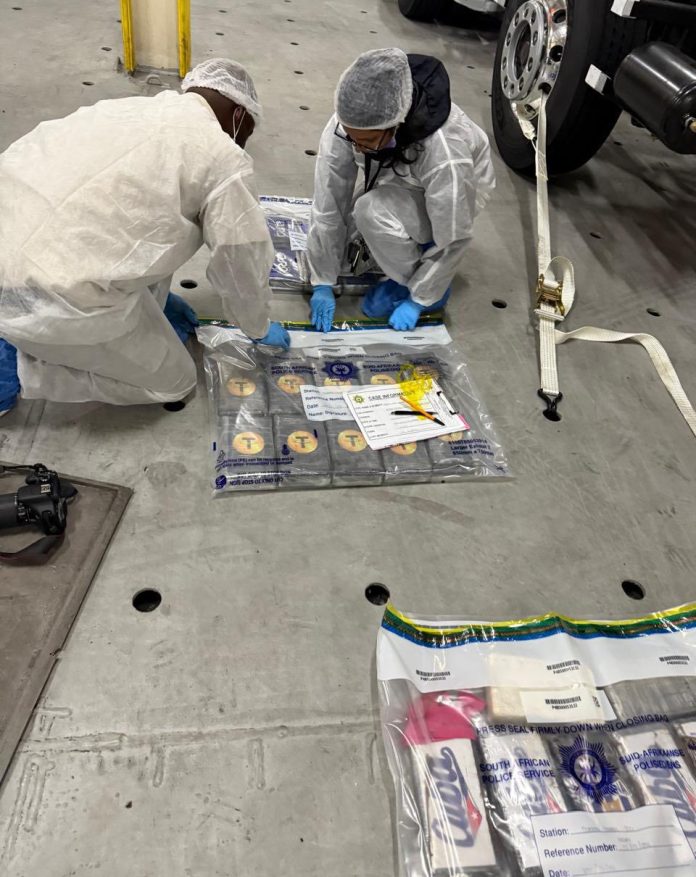
Durban Police seize cocaine


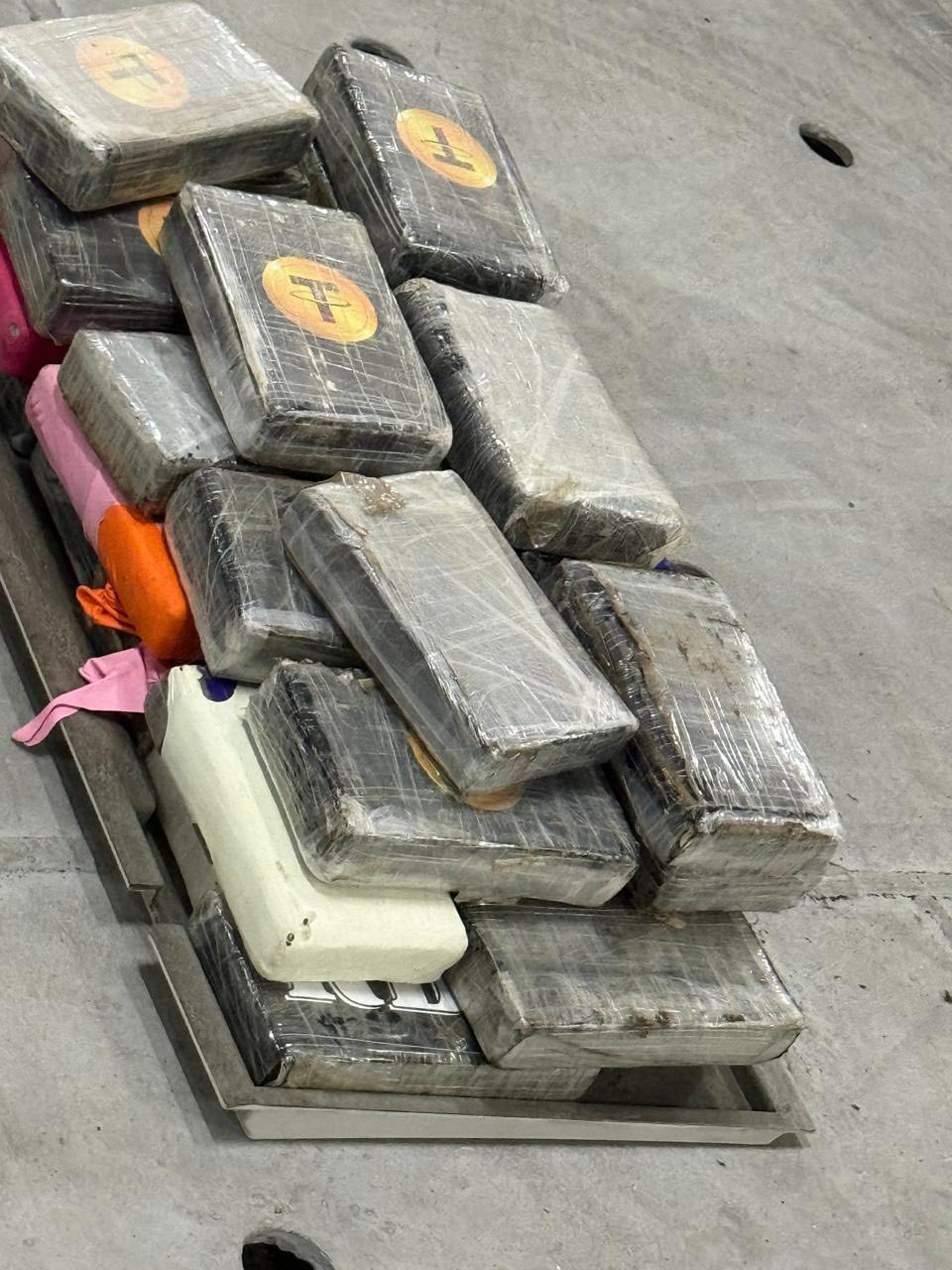
The South African Police Service (SAPS) has launched a search for suspects after cocaine valued at R13 million was seized at a Durban harbour last night.


SAPS spokesperson Robert Netshiunda says police had been profiling certain vessels after drugs were recovered in Gauteng in April, which indicated that the drugs had entered the country through the Durban port.

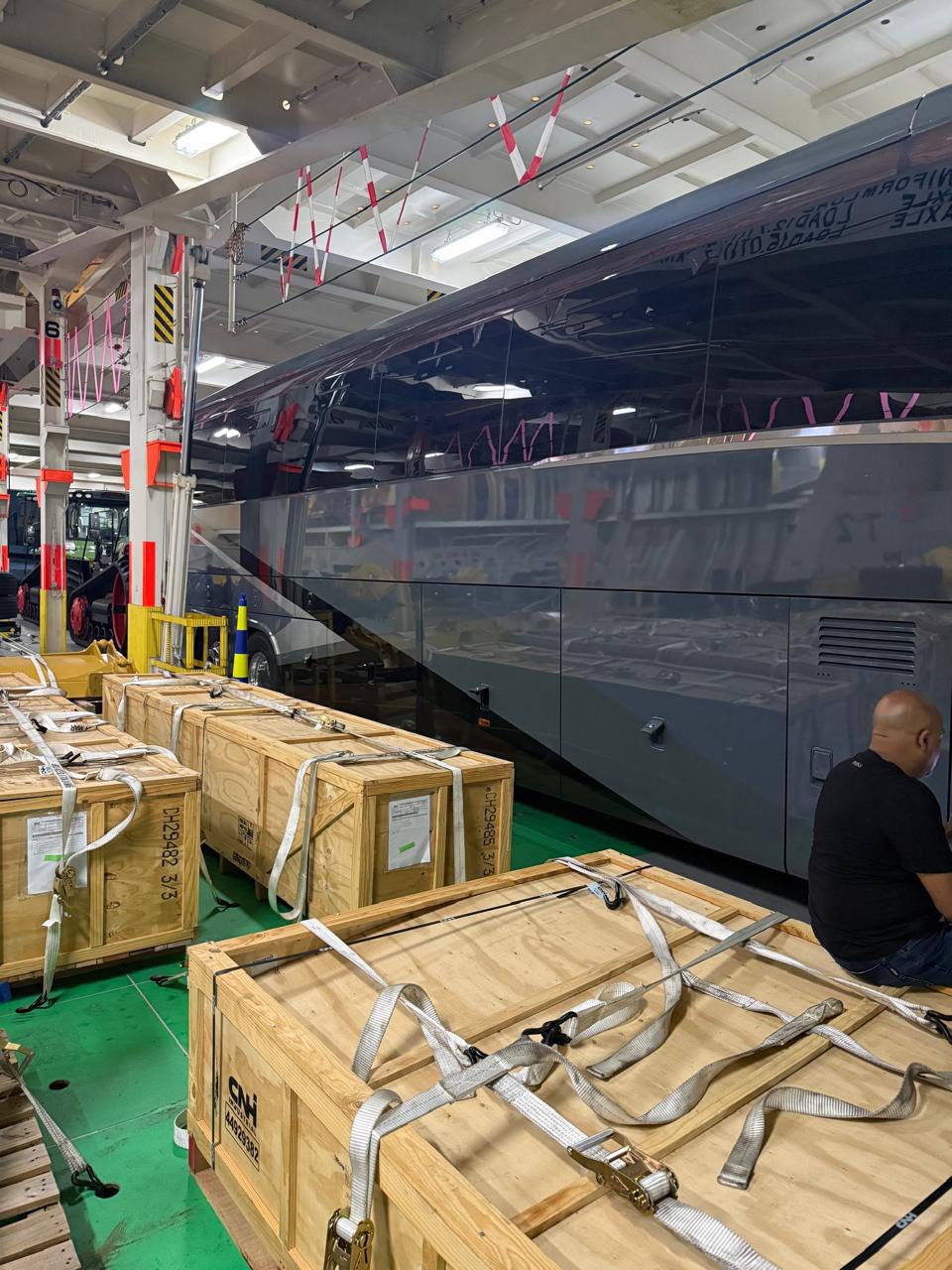
“During an operation involving officers from Durban Operational Response Services and the Serious Organised Crime Investigations Unit, 32 blocks of suspected cocaine were recovered concealed in the air-conditioning compartment of a bus. The buses were shipped into the country from a South American country and were destined for Gauteng province.”


He adds that investigations are underway to identify the suspects behind the shipment and the intended recipients.

Hantavirus raises animal cruelty concerns with NSPCA

nspca


The National Council of SPCAs is concerned that public fear over the hantavirus may lead to animal cruelty.


This is after two tourists died, and a third is in hospital, in Johannesburg, after contracting the disease on a cruise ship that was passing through South African waters.


READ MORE: Hantavirus: No need to panic – Smile 90.4FM


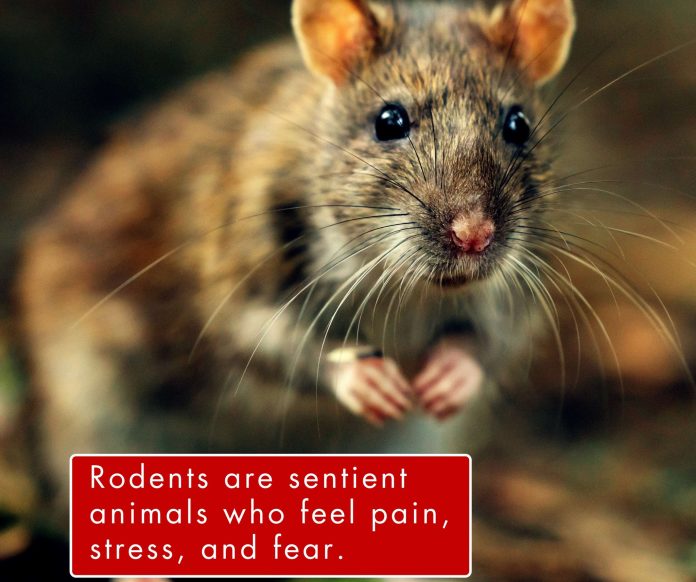
The NSPCA noted that, historically, online coverage of hantavirus cases has led to fear-driven responses, resulting in members of the public poisoning, trapping or killing rodents.


It warns that doing so not only has ecological implications, but in some cases can be unlawful under the Animal Protection Act.


The NSPCA reiterated the Department of Health’s advisory that there is no hantavirus outbreak in South Africa, and that the disease is extremely rare in the country.


“Hantavirus is a rare, rodent-borne virus… Current cases are associated with international exposure, not local spread… The Department of Health has confirmed that there is no outbreak and no need for public alarm.”


The organisation added that rodents, as much as they raise legitimate public health concerns, are capable of experiencing pain and distress. As such, they do not condone “fear-driven” cruelty.


“Recently, the NSPCA investigated a video which shows a live rat trapped in a cage while boiling water is poured over the animal. The individual filming the incident can be heard laughing and mocking the animal’s suffering, while the animal frantically tries to escape,” read the organisation’s statement.


Further to this, the NSPCA urged the public to use human rodent deterrents if a rodent management problem exists.


“NSPCA Inspectors continue to respond to cruelty and provide guidance on responsible, humane interventions. For animal cruelty concerns: 011 907 3590/nspca.co.za. ”


error: Content is protected !!