
14.1 C
Cape Town
Saturday, July 18, 2026

Banner

Home Blog Page 305

Western Cape murder rate surges, driven by illegal firearms, gangs

police


Violent crime in the Western Cape escalated sharply during the second quarter of the 2025/26 financial year, with murders and attempted murders surging despite targeted policing interventions showing success in specific areas.


This emerged during the release of the province’s first- and second-quarter crime statistics, covering the periods from April to June and July to September 2025.


During the six months in question, 2,308 people were murdered in the Western Cape.


READ: Crime Stats: City ready to immediately help increase conviction rates


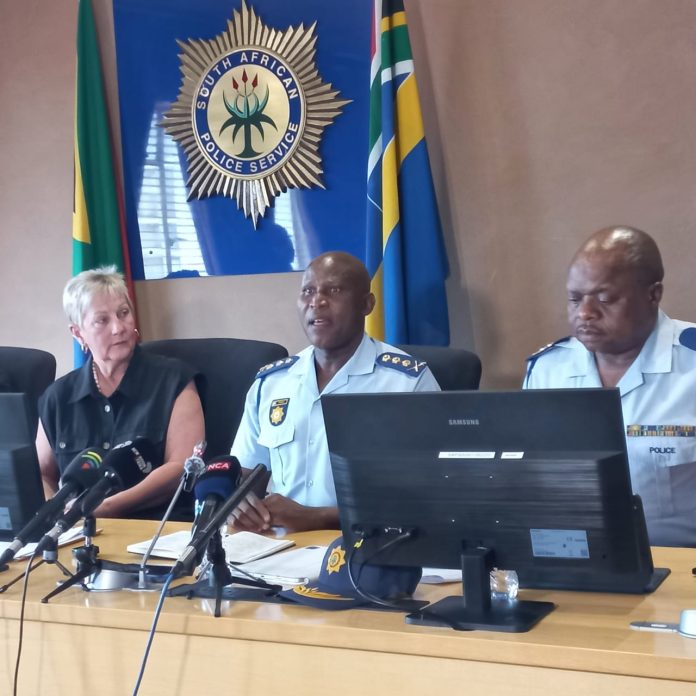
Western Cape Police Commissioner Lt-Gen Thembisile Patekile and MEC for Community Safety and Police Oversight Anroux Marais, together with the NPA and Provincial CPF leaders, addressed the media in Cape Town yesterday.


Second-quarter spike erodes early gains


Patekile confirmed that gains recorded during the first quarter were effectively erased by a spike in violent crime in the second quarter, particularly during August, which he described as the worst-performing month.


“When the Minister of Police and the National Commissioner released the first and second quarter crime statistics, it became apparent that gains made in the first quarter were eroded by a spike in violent crime in the second quarter,” Patekile said.


Crime analysis shows violence remains heavily concentrated in the City of Cape Town, which now accounts for the majority of the province’s most violent police precincts.


Nine Western Cape police stations currently rank among the top 30 most violent stations nationally, with eight of them located within the City of Cape Town.


Murders climb, but LEAP areas show decline


Marais said the statistics do not paint an encouraging picture, noting that murders rose by 0.9% in the first quarter, representing 10 additional deaths, before worsening dramatically in the second quarter, with a 9.1% increase and 97 more people killed compared to the same period last year.


“Violent crime, particularly murder, remains at unacceptably high levels in our province,” Marais said.


However, Marais says a consistent and critical pattern emerged: murders declined in areas where Law Enforcement Advancement Plan (LEAP) officers are deployed, while increasing sharply elsewhere.


In the first quarter, murders in LEAP areas dropped by 7.1%, with notable reductions in Khayelitsha, Nyanga and Philippi East. In the second quarter, murders in these areas declined by a further 9.4%, with additional improvements recorded in Delft.


By contrast, areas outside LEAP deployment saw murder increases of 4.5% in the first quarter and a staggering 17.9% in the second.


“The message is clear,” Marais said. “Where there are more boots on the ground, where LEAP officers are deployed strategically and where there is close cooperation between LEAP, SAPS and municipal law enforcement, we see real and measurable impact.”


Reductions were also recorded in reaction unit areas such as Manenberg, Steenberg and Elsies River.


Illegal firearms at the centre of violence


Both speakers identified the proliferation of illegal firearms and ammunition as the primary driver of violent crime in the province.


Firearms remain the most commonly used weapon in murders. In the first quarter alone, 682 firearm-related murders were recorded in the Western Cape.


Police data shows increased success in firearm seizures. In quarter one, 821 cases of illegal possession of firearms and ammunition were detected, a 13.4% increase. This rose to 1,040 detections in quarter two, representing a 28% increase and significantly outperforming national averages.


Precincts such as Mitchells Plain, Delft, Philippi and Bishop Lavis featured prominently in these seizures.


During the first half of the financial year, SAPS recovered:


  • 1,291 firearms
  • Over 34,000 rounds of ammunition
  • 12,924 dangerous weapons
  • 299,110 litres of illegal liquor
  • Drugs valued at over R67 million


Police also arrested 114 gang leaders, 116 gang members, 65 suspects linked to extortion, and 125 suspects for kidnapping.


“These seizures do make a dent,” Patekile said, “but it is cold comfort to families who have lost loved ones.”


Firearm sources under scrutiny


Patekile outlined multiple sources contributing to the illegal gun economy, including:


  • Firearms lost or stolen from private owners
  • Unlicensed firearms inherited after the death of licensed owners
  • Cross-border trafficking, particularly from Namibia and possibly Angola
  • Firearms stolen from police officers
  • Ammunition obtained using licences belonging to deceased individuals


Patekile says more than 35,000 licensed firearm owners in the Western Cape are deceased, raising concerns that their licences may still be used to purchase ammunition.


Police are now scrutinising gun shops, shooting ranges and ammunition purchases, while also exploring new technologies for firearm detection along key transport routes and border areas, including maritime routes.


Community attacks on police condemned


Marais strongly condemned recent incidents where communities turned on police officers during operations to arrest armed suspects, citing an incident in Manenberg where officers were attacked while attempting to seize an illegal firearm.


“This is unacceptable,” she said. “On the one hand, we demand that police do more. On the other hand, when officers put their lives on the line to remove illegal guns, they are attacked for doing their jobs.”


She called for a “social pact” against gangsterism, urging communities to work with SAPS, LEAP, Community Policing Forums and neighbourhood watches.


“Police and government cannot win this fight alone.”


Gangs filling service gaps


Patekile warned that gangs are increasingly establishing “alternative governance” in vulnerable communities by providing social assistance where the state is absent, a dynamic that may fuel community resistance to police operations.


This has prompted a multi-departmental approach involving social services, education, school safety programmes and community structures to undermine gang influence and prevent youth recruitment.


Police have also noted a shift in tactics, with gangs increasingly using women, elderly people and persons with disabilities to conceal and transport firearms.


While acknowledging deep concern about the second-quarter performance, Patekile says recent festive-season deployments and additional national resources were beginning to show results.


“We are not pleased, but we remain confident that we will turn the corner through sustained, coordinated operations with all law enforcement partners and communities.”

WC sees increase in measles outbreaks in both urban and rural areas


The Western Cape (WC) Department of Health and Wellness has warned that it continues to see an increase in measles outbreaks in both urban and rural areas of the province, while simultaneously managing cases of diphtheria in parts of the Cape Metropole.


According to the department, measles cases have been reported in several areas, including Khayelitsha, Mfuleni, Eerste River, Somerset West, Mitchells Plain, Kraaifontein, Wesbank, Du Noon, Fisantekraal and Citrusdal on the West Coast. Diphtheria cases are also being monitored in parts of the Cape Metropole.


Department spokesperson Monique Johnstone says the rise in measles cases is not unique to the Western Cape, as South Africa is currently experiencing a decline in childhood vaccination uptake.


She warns that this poses a serious public health risk and threatens efforts to eliminate vaccine-preventable diseases.


“This decline contributed to multiple outbreaks of measles, rubella, and diphtheria across the Province, signalling serious gaps in population immunity,” added Johnstone


Johnstone says ensuring adequate immunisation coverage remains a top priority for the department. Since October 2024, immunisation efforts have been intensified to protect young children from serious and potentially life-threatening vaccine-preventable diseases.


With the festive season approaching and an expected increase in holiday travel and family visits, the department is urging parents and legal guardians to ensure that children are fully immunised to prevent severe complications or hospitalisation.


The department has implemented an early warning and response system, which includes strengthening coordination, intensifying disease surveillance, improving clinical management of cases and enhancing community engagement.


Targeted vaccination outreach programmes will be prioritised in areas experiencing rapid increases in measles cases, and healthcare facilities will remain open during the holiday season to assist with immunisation coverage.


Measles is a highly contagious disease that infects the respiratory tract. Symptoms of measles include high fever, rash, runny nose, conjunctivitis and coughing. Healthcare practitioners can diagnose measles based on signs and symptoms, and a blood sample can be collected for laboratory testing.


Diphtheria is a serious disease caused by a toxin (poison) made by a bacterium. It causes a thick coating in the back of the nose or throat that makes it hard to breathe or swallow. Diphtheria starts with a sore throat, mild fever and chills.


Johnstone says free childhood vaccines and catch-up doses are available at all public health facilities, with vaccines also accessible through private healthcare providers. The department has urged parents not to assume their children are immune and to ensure routine immunisations are up to date.


“Help us protect our children by taking them for their routine immunisations and signing consent forms when our school vaccination teams visit their school.”


READ MORE: Western Cape records rise in measles cases

Illicit Goods Worth R115 Million Seized in Bellville Operation

Illicit goods seized


In a major crackdown on illegal trade, authorities confiscated illicit goods in Bellville yesterday, targeting business premises suspected of selling counterfeit items along Durban Road and at Bellville Station Shopping Centre.


The South African Police Services (SAPS) Police spokesperson Constable Ndakhe Gwala says the operation, carried out by the Western Cape Counterfeit and Illicit Goods Unit in collaboration with brand protectors, searched 35 premises.


“Several clothing items, accessories and perfumes were seized. The estimated value of the seized items is R115 million”


Gwala added that the seizure is a major step in disrupting the flow of illicit goods, further actions are expected as investigation continues


SAPS says this is a significant blow to those profiting from illegal trade and a strong step toward protecting consumers and legitimate businesses.


SAPS Western Cape condemned illicit trade in the strongest terms, calling it a blatant disregard for the law.


Home Affairs denies US officials detained in “refugee” facility raid, confirms seven Kenyans arrested

home affairs
Home Affairs Minister Leon Schreiber


The Department of Home Affairs has rubbished reports that US officials were arrested during a raid on a facility in Johannesburg that was busy processing so-called Afrikaner “refugees”.


The alleged arrests quickly drew a response from the US State Department, with a spokesperson, Tommy Pigott, calling for immediate clarification:


“The Trump Administration has consistently raised concerns about the treatment of Afrikaners in South Africa, including allegations of racial targeting, violence, and the failure of authorities to adequately protect certain communities. We are seeking immediate clarification from the South African government and expect full cooperation and accountability. We’ll have more to say once all the facts are confirmed, but the Trump Administration will always stand up for U.S. interests, U.S. personnel, and the rule of law. Interfering in our refugee operations is unacceptable.”


Several news outlets in the US reported overnight on the alleged arrests of American officials, but the Department clarified today that it had carried out a routine, lawful operation yesterday, 16 December, during which seven Kenyan nationals were in fact arrested.


In a statement, Minister Leon Schreiber said it had come to light that a number of Kenyans recently entered South Africa on tourist visas and had illegally taken up work at this centre.


This was even though earlier visa applications for Kenyan nationals to perform this work had been lawfully declined by the Department.


Schreiber says the Kenyans were in clear violation of their conditions of entry into the country.


“They were arrested and issued with deportation orders, and will be prohibited from entering South Africa again for a five-year period.”


The Minister says the operation was carried out according to the same procedures that has seen Home Affairs dramatically intensify deportations over the past 18 months, with the aim to put an end to the long-standing abuse of South Africa’s immigration and visa system.


He refuted the reports coming from US outlets vehemently:


“No US officials were arrested in the process, the operation was not conducted at a diplomatic site, and no members of the public or prospective “refugees” were harassed.”


The Department of International Relations and Cooperation has now initiated formal diplomatic engagements with both the United States and Kenya to resolve this matter.


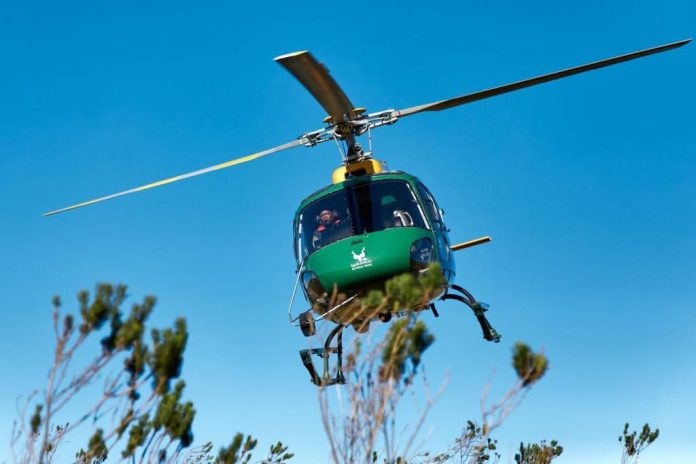
Helicopter Patrols Boost Safety at Table Mountain National Park for Festive Season

Helicopter deployed during festive season


A helicopter from the South African National Parks’ (SANParks) national fleet is now patrolling Table Mountain National Park, helping to strengthen safety and security as the festive season gets underway.


The aircraft supports aerial surveillance and rapid response, working closely with ground rangers and specialised Sea, Air, and Mountain (SEAM) teams to keep visitors safe.


SANParks Head of Communications JP Louw says the combined aerial and ground operations play a key role in preventing crime, responding swiftly to emergencies, and detecting potential threats such as fires.


“The helicopter acts as a visible deterrent to criminal activity while enhancing the ability of rangers to respond quickly to incidents and emergencies within the Park.”


Visitors are urged to enjoy the park responsibly during the busy festive period. Louw reminds everyone that Table Mountain National Park is open from sunrise to sunset and encourages careful planning of activities, travelling in groups, carrying the right equipment, and staying aware of changing weather conditions.


“This integrated approach has proven highly effective during previous peak periods, helping to ensure a safe and enjoyable experience for everyone visiting the park.”

error: Content is protected !!