
12.7 C
Cape Town
Wednesday, July 15, 2026

Banner

Home Blog Page 259

Teacher arrested over alleged assault at Cape Town school

IMAGE: Unsplash (for illustrative purposes)


A primary school teacher has been arrested for assault in connection with claims of corporal punishment at a school in Cape Town.  


The alleged incident is said to have taken place earlier this month, prompting a complaint by a parent and a subsequent criminal case. 


The 60-year-old teacher was arrested last Wednesday, days after the alleged incident at Zeekoevlei Primary School on 15 January. 


“A 60-year-old female was arrested on Wednesday, 21 January 2026, for assault,” confirmed Western Cape SAPS spokesperson, Sergeant Wesley Twigg.  


According to reports, the incident involved a grade 4 learner. Twigg noted that she was due to appear in the Wynberg Magistrates Court on Tuesday. 


A spokesperson with the Western Cape Education Department (WCED), Bronagh Hammond, confirmed that the department is aware of the matter. 


“An alleged assault took place on 15 January. The teacher has been charged following a complaint by the parent,” said Hammond. 


Hammond said the department is running a parallel internal process alongside the police investigation.  


“The WCED instituted a labour relations investigation. We await the outcome of that investigation, while the criminal proceedings take place separately.” 


The arrest has renewed criticism from education activists who argue that cases of corporal punishment in schools are not being dealt with decisively enough.  


Parents for Equal Education South Africa founder, Vanessa Le Roux, questioned the response of prosecuting authorities.  


“The NPA is not doing enough to protect our children at this point…  This, we’re seeing in the Zeekoevlei matter because these children are terrified of this teacher. However, she didn’t even get to pay bail money or anything,” Le Roux claims. 


What is corporal punishment?  


Corporal punishment in schools is explicitly prohibited under South African law.  


The South African Schools Act makes it a criminal offence for any person to administer corporal punishment to a learner, with offenders liable to prosecution on a charge of assault.  


In an official document from 2002, the Western Cape Education Department defined corporal punishment as any deliberate act that causes pain or physical discomfort to a child. 


“This includes, but is not limited to, spanking, slapping, pinching, paddling, or hitting a child with a hand or with an object, denying or restricting a child’s use of the toiler, denying meals, drink, heat or shelter, pushing or pulling a child with force and forcing a child to do exercise,” the document read.  
The People Have Spoken: Keep Miller’s Point Natural

miller's
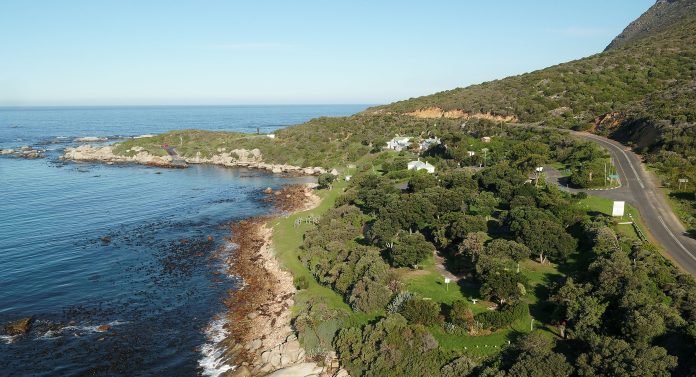
Millers Point Caravan Park in False Bay


Nearly 500 residents have had their say on the future of Miller’s Point, and the message is clear: keep it natural, with modest improvements.


The City of Cape Town’s Coastal Management branch is developing a long-term vision for the popular coastal site along the False Bay coastline, a few kilometres south of Simon’s Town.


Miller’s Point is home to a well-used tidal pool, campsite, beach, and public boat launch site, and is valued for both its natural beauty and heritage significance.


The planning process began in November last year with an online survey inviting input from residents, visitors, and stakeholders. A total of 490 people completed the survey. Of those, 25% said they visit Miller’s Point weekly, while 45% visit at least once a month.


According to the City’s Deputy Mayor and Mayoral Committee Member for Spatial Planning and Environment, Alderman Eddie Andrews, the strong public response shows how much the area means to the community.


He said the majority of participants do not want major new developments, but rather upgrades and repairs to existing facilities, along with improved universal access to ensure people with disabilities can more easily enjoy the site.


Miller’s Point is a 300-metre-wide strip of land that serves as a transition zone between the UNESCO World Heritage Site of Table Mountain National Park and the Table Mountain Marine Protected Area. It is also an important gateway to the “Great African Seaforest” and contains shell middens that offer insight into indigenous history.


However, the site faces several challenges. Infrastructure has deteriorated over time, with outdated amenities, eroded pathways, and limited visitor facilities. Historic buildings on the site also require restoration.


What the survey found


Survey results show that Miller’s Point attracts visitors from across Cape Town, with nearly 90% of respondents travelling more than 5km to get there. Most people visit for leisure activities or to launch boats.


Respondents highlighted the area’s recreational value, conservation importance, and unique marine environment as key reasons it should be protected.


The overwhelming view was that the character of Miller’s Point should be retained, with a focus on conserving the environment while upgrading existing features such as the tidal pool, ablution facilities, and access points.


Common priorities included:


  • Safe, universally accessible walkways
  • Improved security
  • Better waste management
  • Improved traffic flow and launch control for boats


Focus on conservation and careful upgrades


The City’s revitalisation programme aims to balance access and conservation. Plans include promoting socio-economic benefits, preserving cultural heritage, investing in resilient infrastructure, and creating opportunities for education and small-scale commercial activity where appropriate.


Andrews said there is strong alignment between public feedback and the City’s approach, which will prioritise repairing existing infrastructure, improving access for all users, and protecting the site’s biodiversity, heritage, and local character.


The survey results will now inform the City’s long-term vision for Miller’s Point. Further consultation and detailed investigations are expected as the planning process continues in the coming months.


UPDATE: No injuries after section of Paarl Hospital goes up in flames

paarl


A fire that broke out at Paarl Provincial Hospital on Tuesday morning prompted the evacuation of patients and staff, but no injuries or fatalities were reported.


Drakenstein Municipality’s Fire and Rescue Services responded to the incident at 11:17 on 27 January 2026. By midday, firefighters had successfully contained the blaze to the Day Hospital section of the facility.


All occupants from the ground, first and second floors were safely evacuated as a precaution. Emergency teams worked swiftly to move patients, including those in critical care areas, to other medical facilities in the region.


The Western Cape Department of Health and Wellness confirmed that the hospital’s Outpatient Department sustained extensive damage. Maternity patients were among those relocated to nearby hospitals to ensure continuity of care.


Western Cape Health MEC Mireille Wenger said early indications suggested a vehicle parked next to the building caught alight, causing the fire to spread, but this is still under investigation.


A 35-year-old man has since been arrested in connection with the blaze. It has been alleged by several eyewitnesses that a man set a bin alight that was next to the car, which then caused the car to catch fire, which then spread to the facility.


“Thanks to the coordinated response, patients were safely relocated and no injuries were reported. We are now focused on restoring services as quickly and safely as possible, while ensuring continuity of care for all affected patients,” Wenger said.


Drakenstein Executive Mayor Stephen Korabie described the hospital as the largest in the Boland region, serving thousands of residents daily. He said the fire caused major disruption and required the evacuation of large numbers of patients, including those in operating theatres and mothers who were in the process of giving birth.


“These critical patients were prioritised and transferred to Tygerberg Hospital and other surrounding facilities,” Korabie said.


He confirmed that emergency services brought the fire under control within an hour and that a centralised disaster management team coordinated operations on the ground.


Specialists, including fire officials, engineers and medical staff, later assessed the building to determine which areas could safely be used again. Plans were put in place to gradually return services where possible.


Korabie thanked residents for heeding calls to stay away from the hospital during the emergency, saying this helped prevent further congestion while responders did their work. He also expressed appreciation for community support, including donations of water and food for emergency personnel.


“No patients were lost, and no patients were injured,” he said. “The professionalism, skill and training of our fire and emergency teams ensured that this situation was handled effectively.”


Traffic officers, law enforcement and the South African Police Service remained on site on Tuesday evening to secure the area while investigations into the cause of the fire continue.


*This article has been updated to reflect that an arrest has been made in connection with the fire.

SANParks rangers makes multiple burglary and illegal poaching arrests

SANParks - weekend arrests
IMAGE: Facebook/SANParks - Table Mountain National Park


South African National Parks (SANParks) has urged members of the public to report suspicious activity and safety concerns at and around Table Mountain National Park (TMNP) following a series of successful law enforcement operations that led to multiple arrests linked to burglary and illegal poaching activities over the weekend.


According to SANParks, TMNP recorded what it described as a highly successful operational weekend.


In Vredehoek, a planned joint operation involving the TMNP Sea, Air, Mountain (SEAM) Unit, the TMNP K9 Unit, SANParks rangers, a private landowner and the South African Police Service (SAPS) resulted in the arrest of two suspects connected to a series of house burglaries.


“Intelligence indicated the suspects were using mountain routes to access and flee residential areas.” added SANParks


During early morning operations on Sunday, both suspects were apprehended in possession of stolen property. Police has since linked the suspects to multiple burglary cases in the area.


In a separate operation at Smitswinkel Bay, rangers responded to reports of illegal diving activity. One suspect was arrested and found in possession of 11 bags of illegal abalone, including 72 whole abalone and approximately 1,150 shucked abalone, as well as diving equipment.


The suspect was handed over to Simon’s Town SAPS, where a case was opened.


SANParks has encouraged park users and residents to report suspicious activity, safety concerns or incidents to law enforcement authorities by contacting SAPS on the dedicated emergency number 086 110 6417 or visiting the nearest police station.


“Reporting helps law enforcement intervene and reduces crime in parks like Table Mountain National Park.”


READ MORE: 7 teenagers rescued from mass drowning at Kleinmond beach

New ICASA rules will protect consumers against surprise charges and expiring data

data


South Africa’s communications regulator, ICASA, has introduced new rules aimed at protecting cellphone users from unexpected charges and the loss of unused data.


The End-User and Subscriber Service Charter Amendment Regulations, 2025, published in the Government Gazette on 23 January 2026, strengthen consumer rights around mobile data, voice and SMS bundles. The changes will take effect in January 2027, twelve months after publication.


Stronger protection against “bill shock”


One of the biggest changes is a strict rule on out-of-bundle charges. Mobile networks will no longer be allowed to charge customers once their bundles are depleted unless the customer has actively opted in to those extra charges. If a user has not opted in, services must be stopped until a new bundle is bought or permission is given.


To help customers manage their usage, operators must also send depletion warnings when a bundle reaches 50%, 80% and 100% usage. Notifications can be sent via SMS, app alerts or other electronic methods.


Data must roll over


Under the new rules, unused bundles must be rolled over automatically at least once when they expire, at no extra cost to the user, provided the SIM card remains active.


However, this does not apply to:


  • Bundles valid for seven days or less
  • Uncapped bundles
  • Free bundles
  • Promotional bundles


No more losing older bundles first


ICASA has also introduced a “first expiry, first out” rule. This means networks must use up bundles that are closest to expiring before newer ones, reducing the chances of customers losing paid-for data.


Sharing bundles now required


Customers will also gain the right to transfer bundles to other users on the same network. Transfers cannot be limited by the number of times a user sends data, voice minutes or SMSs, but promotional, free and uncapped bundles are excluded.


Protection during network faults


If a customer is unable to use a bundle because of a network fault, the provider must extend the bundle’s validity period.


Why ICASA made the changes


ICASA says the amendments respond to ongoing consumer complaints about expiring data, high out-of-bundle charges and lack of transparency. The regulator argues the new rules set minimum standards while still allowing competition between service providers.


The regulations form part of broader efforts to improve fairness in South Africa’s mobile market and give consumers greater control over their spending.


The new rules have been widely welcomed. The Chairperson of the Portfolio Committee on Communications and Digital Technologies, Khusela Sangoni-Diko, said in a statement that this was a decisive step forward in the quest to reduce the cost of living for South Africans.


The Economic Freedom Fighters (EFF) says this step is the direct result of its sustained political pressure.


The party says the next step in its fight will be on the high cost of data, the extension of rollover periods, and the dismantling of exploitative pricing models.


error: Content is protected !!