11.5 C
Cape Town
Monday, June 29, 2026
Home Blog Page 21

FINANCE: Ten years of tax-free saving shows the power of patience

Ten years of tax-free saving shows the power of patience


Ten years ago, thousands of South Africans were encouraged to open a Tax Free Savings Account (TFSA). This 10-year milestone offers a rare insight into how time, disciplined behaviour and tax-free structures work together to build meaningful capital even when contributions start small.


A decade of discipline: Ten years of tax-free saving shows the power of patience


Introduced in 2015 to boost South Africa’s saving culture, TFSAs gave households a simple and accessible way to grow money free from tax. Unlike traditional savings or investment vehicles, TFSAs shelter all returns from interest, dividends and capital gains, allowing every Rand earned to stay invested. For early adopters who contributed diligently, this uninterrupted compounding has delivered significant outcomes over the past decade.


“The biggest misconception about investing is that you need a large amount to begin with,” says Himal Parbhoo, CEO of Retail Cash Investments at FNB. “This 10-year view proves that time is the real currency. A TFSA ensures every cent of growth works for you, free from tax, but disciplined behaviour is what makes the difference. The investors who started early and stayed the course are now seeing the undeniable maths of patience.”


He illustrates a simple example of tax-free compound growth – using a return of 8% per year, compounded monthly:


Monthly ContributionTotal Invested

(10 Years)

Approx. Final ValueTax‑Free Growth
R3,000R360,000±R548,000±R188,000
R500R60,000±R91,000±R31,000


Over the past decade, TFSAs have become an important part of South Africa’s savings ecosystem. Many consumers, particularly younger savers, have embraced the product’s simplicity and the predictability of automated monthly contributions. This shift reflects a broader trend: a growing awareness that long-term investing does not require large lump sums, but rather consistent, manageable commitments.


South Africa’s savings ecosystem


Following the recent National Budget Speech, the annual TFSA contribution limit has increased from R36,000 to R46,000, effective immediately. The lifetime limit remains unchanged at R500,000. This enhancement allows South Africans to accelerate their tax-free wealth-building journey by saving an additional R10,000 per year.


From 1 March 2026, the new annual TFSA contribution limit of R46,000 is in effect. This updated limit gives individuals a fresh opportunity to accelerate their tax-free wealth-building journey. By contributing consistently, whether R300, R500 or any manageable amount, more money can benefit from uninterrupted, long-term, tax-free compounding. Setting automated monthly contributions from the start of the tax year can help households establish strong savings habits and maximise the advantages of the increased annual allowance.


Despite the proven benefits


Despite the proven benefits, many South Africans are still not fully utilising TFSAs, missing out on one of the most effective ways to build long-term, tax-efficient wealth. Parbhoo encourages customers to take three simple steps to maximise the opportunity:


“Review your current TFSA contributions.

“Maximise the available allowance before 28 February under the R36,000 limit.

“Consider increasing contributions to take advantage of the new R46,000 annual limit in the new tax year, and set up automated monthly payments to remain disciplined.


“The 10-year milestone underscores a powerful truth: by starting small, contributing consistently and staying invested can materially shape financial outcomes a decade from now. The recent increase to the annual limit makes this already powerful tool even more attractive for building long-term wealth,” concludes Parbhoo.

Education Activist Rejects Claims Linking Foreign Learners to School Overcrowding

school overcrowding
Image: Pixabay


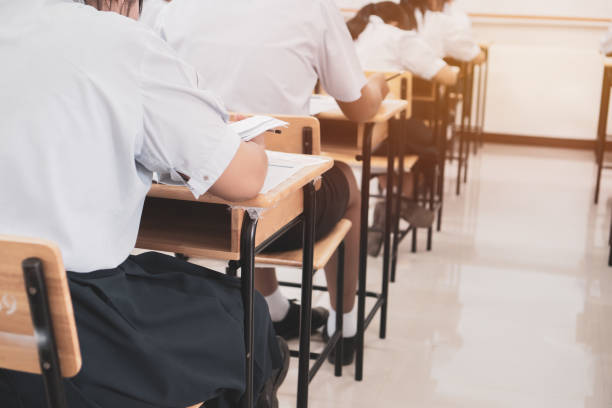
Education activist Hendrick Makaneta has called on those blaming children of foreign nationals for overcrowding in South African schools to substantiate their claims with evidence, arguing that such narratives are misleading and unsupported by data.


Makaneta criticised the growing tendency to attribute pressure on the education system to foreign learners, saying the focus should instead be on structural issues affecting schooling across the country.


“The growing tendency to blame children of foreign nationals for overcrowding in South African schools is not only misguided but also unsupported by evidence. As South Africans, we must confront the real causes of the challenges facing our education system instead of directing frustration towards vulnerable children.”


He pointed to official statistics indicating that foreign nationals make up a very small proportion of the learner population.


“Data indicates that 98.2% of learners in South African schools are South African citizens, while only 1.8% are foreign nationals. It is therefore difficult to understand how less than 2% of the learner population can be blamed for the shortage of school spaces experienced in many communities. The mathematics simply does not support such a conclusion.”


According to Makaneta, overcrowding in schools is driven by deeper systemic challenges rather than the presence of foreign learners.


“The truth is that overcrowding in schools is the result of inadequate infrastructure and rapid population growth, along with poor long-term planning. These challenges have existed for many years and cannot be attributed to a very small number of foreign learners.”


He also emphasised the rights of children, regardless of nationality, to access education and protection under the law.


“Children do not choose where they are born, nor should they be punished for circumstances beyond their control. Every child deserves access to basic education, dignity, and protection. South Africa’s Constitution requires that we treat all children fairly and place their best interests at the centre of our decisions.”


Makaneta urged government to prioritise expanding educational infrastructure rather than shifting blame onto foreign nationals.


“Instead of blaming foreign children, government should focus on building more schools to ensure that every child has access to education. South Africa’s education crisis will not be solved by excluding foreign nationals.”


Why Mid-Year Fatigue Is Real And What You Can Do About It

Why Mid-Year Fatigue Is Real And What You Can Do About It


As June rolls in, many employees across the South African corporate landscape are hitting a familiar, exhausting milestone: mid-year fatigue. The initial momentum of the new year has faded, and the finish line for the next break often feels impossibly far away. According to Annemie Burger, HR Director at Penquin, the phenomenon is becoming increasingly common as employees continue to navigate demanding workloads, economic uncertainty and the ongoing pressure to perform.

Why Mid-Year Fatigue Is Real And What You Can Do About It

While many people dismiss mid-year fatigue as simply being tired, Burger believes it often signals something deeper. “It’s not always about needing more sleep,” she explains. “Often it’s a combination of mental fatigue, emotional exhaustion and a lack of recovery time. People have been pushing hard for six months without stopping to assess whether their energy, priorities and wellbeing are still in balance.”

Why Mid-Year Fatigue Is Real And What You Can Do About It
“By the time we reach the middle of the year, many people are operating on depleted reserves,” says Burger. “The goals and excitement that fuelled us in January have often been replaced by deadlines, responsibilities and the reality that there is still a long stretch of the year ahead.”

The impact can be felt across organisations, with employees reporting lower motivation, reduced productivity, difficulty concentrating and increased feelings of stress or overwhelm. But according to Burger, the solution isn’t necessarily taking a two-week holiday and hoping for the best. “People often think they need a dramatic reset,” she says. “In reality, small, intentional changes can have a significant impact on how we feel and perform.”

Running on Empty?

According to Burger, common symptoms include mental fog, emotional exhaustion, reduced enthusiasm, and even physical tiredness despite adequate sleep. She notes that hybrid work, economic pressure, and the relentless pace of modern business have made the mid-year slump more intense.

“Many people push through thinking it’s just a phase, but that only makes it worse,” she explains. “The key is to pause, reset, and be intentional about rebuilding your energy.”

Recognising the Signs and Taking Back Control

Burger’s practical strategies for navigating and conquering mid-year fatigue:

Revisit and Reset Your Goals: “Mid-year is the perfect time for a personal and professional audit. Ask yourself: What’s working? What needs to change? Set three meaningful goals for the next six months instead of carrying unrealistic January expectations.”

Prioritise Recovery, Not Just Rest: “Rest isn’t something you earn once you’ve completed everything on your list,” Burger explains. “Recovery is what allows you to perform sustainably over the long term. Without it, even the most capable employees eventually hit a wall. It’s not enough to collapse on the couch. Schedule proper recovery, whether it’s a digital detox weekend, a morning walk, or a proper holiday. Your brain needs space to recharge.”
Why Mid-Year Fatigue Is Real And What You Can Do About It
Reignite Purpose and Connection: “Fatigue often stems from feeling disconnected from the ‘why’ behind your work. Reconnect with your team, celebrate small wins, and seek out projects that energise you.”

Support Physical and Mental Fuel: “Movement, nutrition, hydration, and sleep are non-negotiable.”

Navigating another busy year

As South Africans navigate another busy year, Burger says the key is to view the halfway mark as an opportunity rather than a warning sign.
“The middle of the year shouldn’t feel like a survival test,” she says. “It’s a checkpoint. A chance to pause, reflect, adjust and make sure you’re setting yourself up for success during the second half of the year.”
Why Mid-Year Fatigue Is Real And What You Can Do About It

Her advice is simple. “Don’t wait until you’re completely burnt out to make changes. The sooner you recognise the signs of fatigue and take action, the easier it becomes to regain momentum. Taking control of your wellbeing is one of the most important investments you can make in your personal and professional success.” As agencies and brands push toward the second half of the year, Burger’s message serves as a timely reminder: professional success should never come at the expense of personal well-being. By normalising conversations around burnout and providing the tools to navigate it, companies can ensure their teams remain energised, innovative, and ready to tackle the challenges ahead.


THIS ARTICLE WAS COMPILED BY Penquin, an advertising and integrated marketing agency.

The Masque’s Battle of the Bands is back to celebrate SA youth

The Masque’s Battle of the Bands is back to celebrate SA youth


The Masque’s Battle of the Bands is back to celebrate SA youth on 16 June. Following its sold-out edition last year, The Masque presents the second Battle of the Bands: High School Edition. Bands from local high schools audition for the chance to be selected for this vibrant event. Groups were chosen to collaborate with professional musicians who are actively performing in the city. These mentors coach each band for the performance on Youth Day.


The Masque’s Battle of the Bands is back to celebrate SA youth on 16 June


Battle of the Bands: High School Edition is an annual upliftment initiative by The Masque in collaboration with Interlace Uplift. It will be presented on Youth Day, 16 June at 14h30 at The Masque. It forms part of The Masque’s commitment to creating accessible platforms for youth engagement in the arts. At the same time, it celebrates talent, builds community, and offers young musicians a glimpse into the professional world of music and performance.


The Masque’s Battle of the Bands is back to celebrate SA youth

Groups collaborated with professional musicians


“Last year, the bands from Muizenberg, Fish Hoek and Westridge gave us a roof-raising performance. At the end of the event, each band walked away with a once-in-a-lifetime experience, as well as some really cool prizes like a professional photo shoot,” says Interlace Uplift Founder Mark Mwaba.

“For the 2026 edition, we look forward to welcoming another round of amazing bands, all hailing from the Deep South and surrounds.”


Expect roof-raising performances


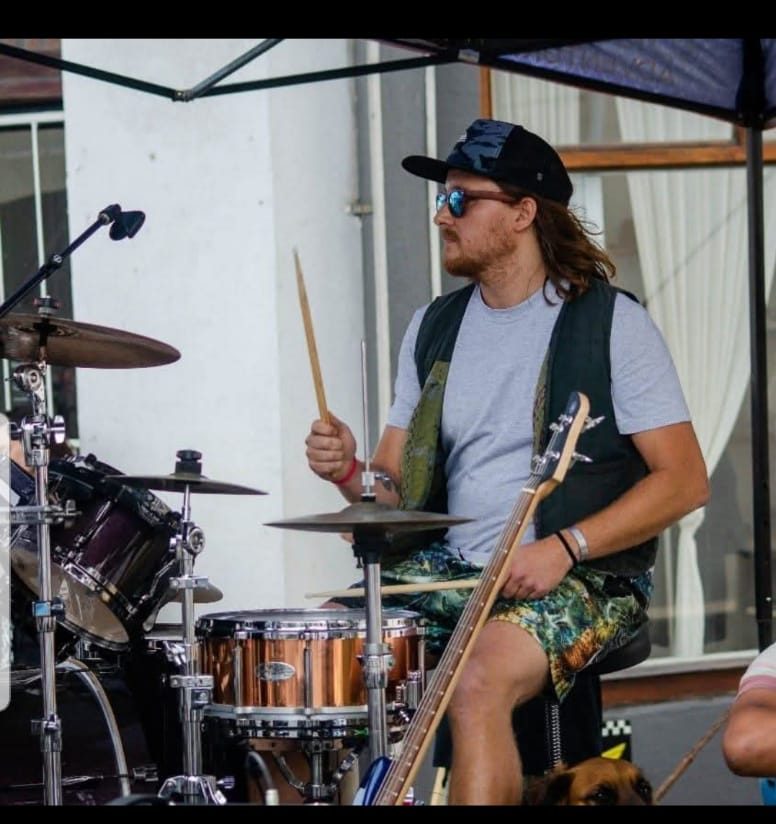
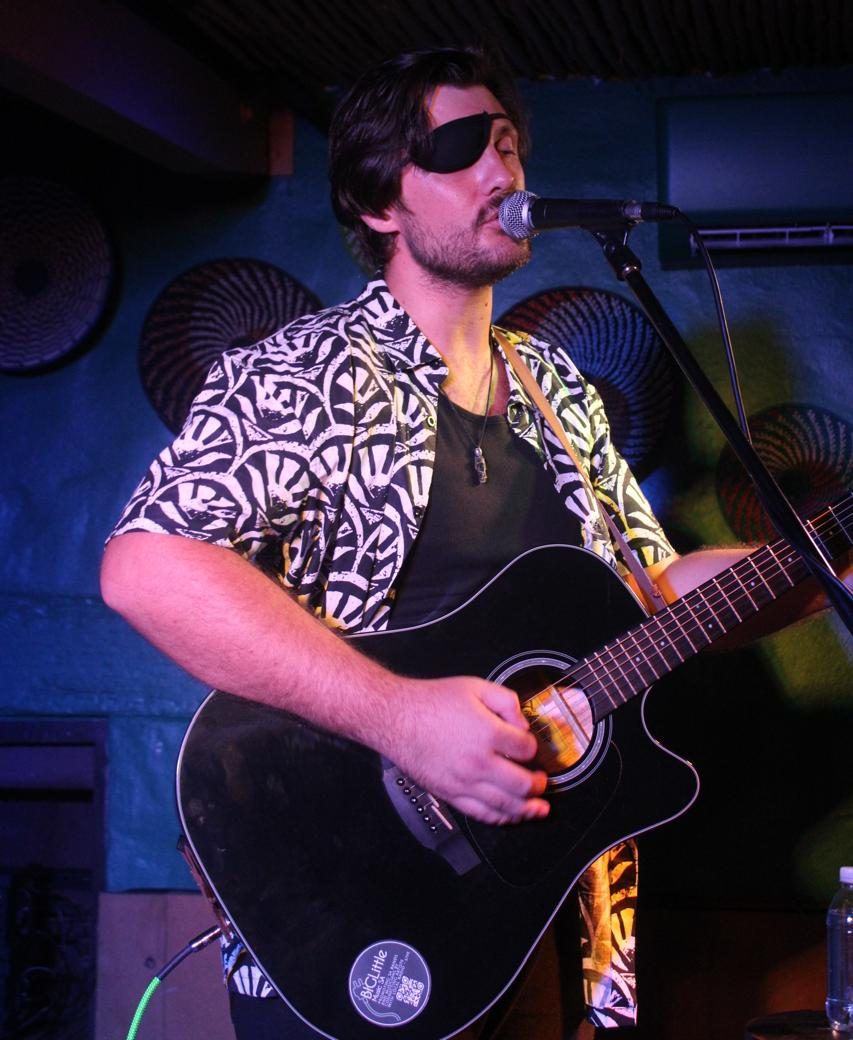
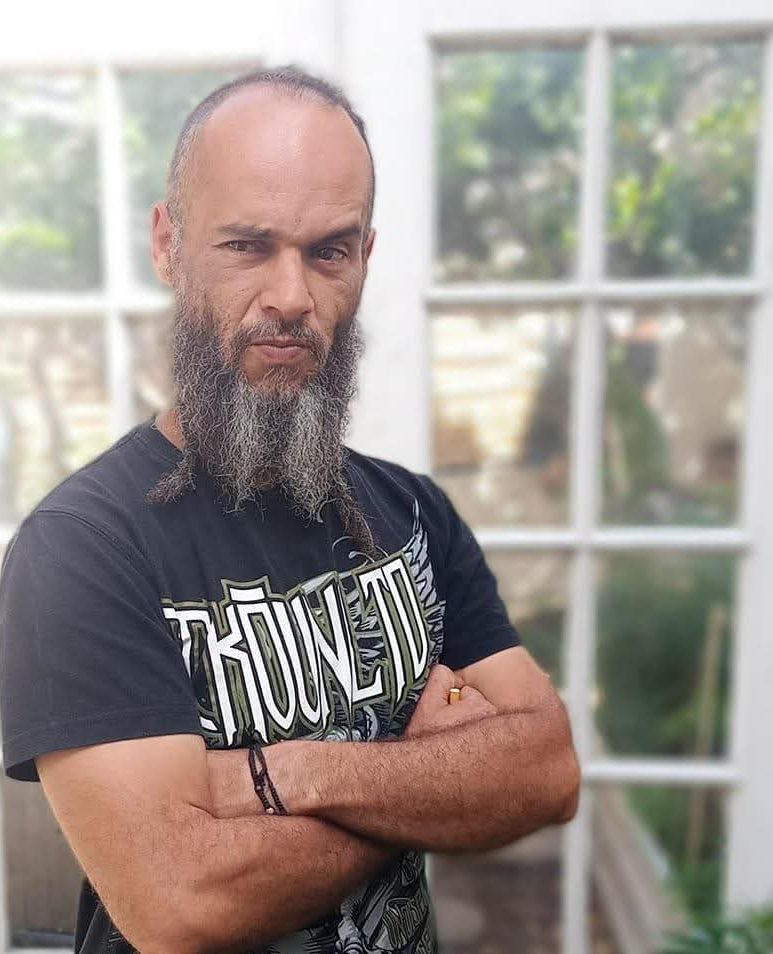
“These inspiring young artists have been guided by our coaches in a mentorship programme that has helped sharpen their skills and boost their confidence. We are grateful to our mentors for helping these artists shine. Thanks to drummer and pianist Michael Honeyman, guitarist Timothy Wolffaardt and bassist Fredrick Muller.”

“Show your support for the future of our music industry by purchasing a ticket and celebrating the next generation of music,” says Mwaba.

The Masque’s Battle of the Bands is back to celebrate SA youth

Celebrate the explosive energy and monumental talent of Cape Town’s young musicians from local high schools


Interlace is a band of four musicians who aim to teach and spread their love for music. Through various events, they aim to mentor and uplift young musicians.


The Masque’s Battle of the Bands is back to celebrate SA youth

Celebrate the explosive energy and monumental talent of Cape Town’s young musicians from local high schools. The artists have been mentored by industry professionals to present this afternoon of entertainment and community pride.

Two suspects arrested for drugs worth R3 million in Kuilsriver

two arrested for r3milliom drugs in kuilsriver


Western Cape Police arrested two suspects in Kuilsriver after they were found in possession of drugs worth R3 million.


According to police Captain Frederick C. van Wyk, officers attached to the Anti-Economic Crime Task Team received information of drug activity at a bed and breakfast situated in the Langverwacht area in Kuilsrivier at approximately 04:30 on Monday, 15 June 2026.


The officers reportedly acted swiftly on the information and, upon arrival at the identified address, found a male matching the suspect’s description and a female in the room.


“A white VW Polo vehicle was parked in front of their room. When members looked through the vehicle’s window, a big black bag was seen on the back seat of the vehicle,” added Van Wyk


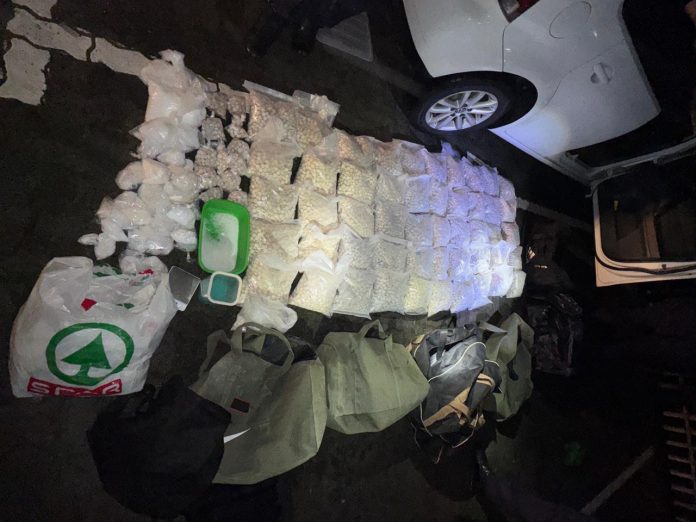
The officers searched the vehicle and found a large amount of mandrax tablets and other bags containing more mandrax tablets and crystal meth.


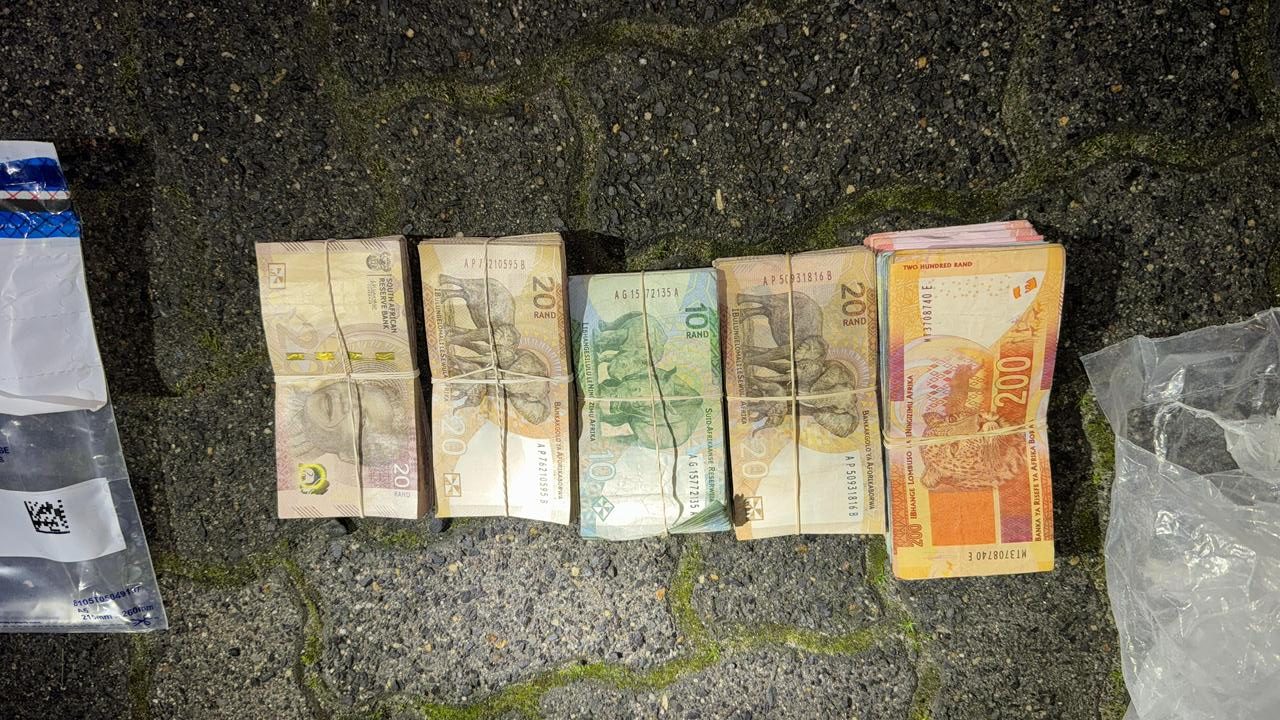
Fifty-one bags containing mandrax tablets, five kilograms of crystal methamphetamine with an estimated street value of R3 000 000.00 and R17 000.00 in cash, believed to be the proceeds of crime, were confiscated.


two arrested for r3milliom drugs in kuilsriver


Both suspects, a 29-year-old female and a 35-year old male, were arrested for possession and dealing in drugs.


They are due to appear in the Kuilsrivier Magistrates’ court on Wednesday, 17 June 2026.


READ MORE AND WATCH: Tragic crash claims two lives on Robert Sobukwe road

error: Content is protected !!