17 C
Cape Town
Friday, July 10, 2026
Home Blog Page 191

Protect Your Pets During Cape Town’s Scorching Temperatures

SPCA urges pet loves to protect animals as temperatures soar


Cape Town is sweltering under an intense heatwave this week, with temperatures soaring into the high 30s and even approaching 40°C in some areas. For pet owners, this isn’t just uncomfortable weather, it’s a direct threat to animal health and safety.


The Cape of Good Hope Society for the Prevention of Cruelty to Animals (SPCA) says the heatwave conditions could be life threatening to pets.


SPCA spokesperson Belinda Abrahams says prolonged periods of high temperatures can overwhelm an animal’s ability to cool itself naturally.


“Dogs do not sweat like we do, they rely on panting and access to clean water to regulate their body temperatures. Without water and shade, dogs can overheat, which could lead to permanent brain damage and even death.”


Abrahams says that during the summer season each year, the SPCA receives reports of dogs trapped inside parked vehicles at shopping centers and beachfronts. She stressed that this was not a viable option, as it could have lethal consequences.


”Never leave your pets in parked cars, even if the windows are slightly lowered. Even if the temperatures are not that high, it could still cause severe damage. Many believe shade makes it safe. The truth is a parked car can quickly become a death trap.”


She further encourages the public to reach out to the SPCA and report any incidents in which animals are left in parked cars unattended.

“If you spot a dog or other pet in distress, contact the Cape of Good Hope SPCA Inspectorate immediately on 021 700 4158 / 021 700 4159.”

Free access to botanical treasures in the Western Cape and beyond

gardens
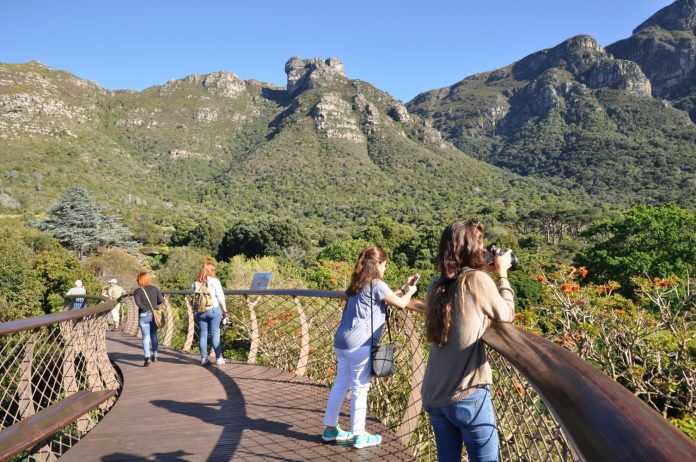
Kirstenbosch National Botanical Garden. IMAGE: SANBI


Residents in the Western Cape are among those invited to explore some of the country’s most celebrated natural spaces, with the 2026 edition of National Gardens Week officially underway.  


The occasion started on Monday and runs until 15 March, offering visitors free entry to botanical and zoological gardens across the country.  


The initiative, led by the South African National Biodiversity Institute (SANBI), aims to encourage the public to reconnect with nature and learn more about biodiversity conservation. 


“This year’s theme, ‘Your free passport to nature, celebrate, restore, and protect all life’, encourages people to connect with the natural world in uplifting ways. It’s about embracing mindfulness and wellbeing and enjoying the benefits of gentle physical activity and community engagement,” read SANBI’s statement.  


In the Western Cape, visitors can enjoy free access to several well-known gardens. 


At the Kirstenbosch National Botanical Garden in Cape Town, guests can explore indigenous plant life while walking along the famous Boomslang treetop walkway. The garden is described as “a sanctuary of natural beauty” set against the slopes of Table Mountain.


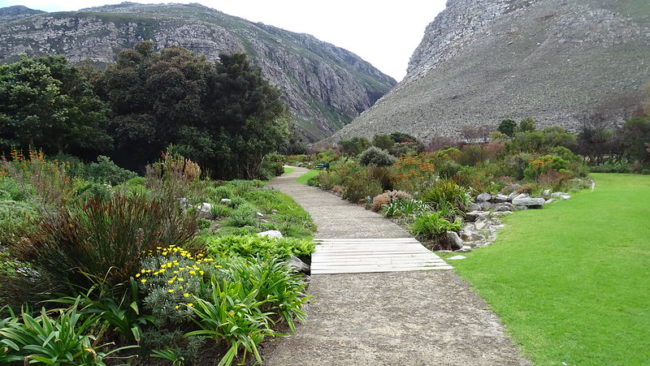
Further along the coast, the Harold Porter National Botanical Garden in Betty’s Bay offers activities including hiking, picnicking, birdwatching and guided tours.  


Harold Porter National Botanical Garden. IMAGE: SANBI


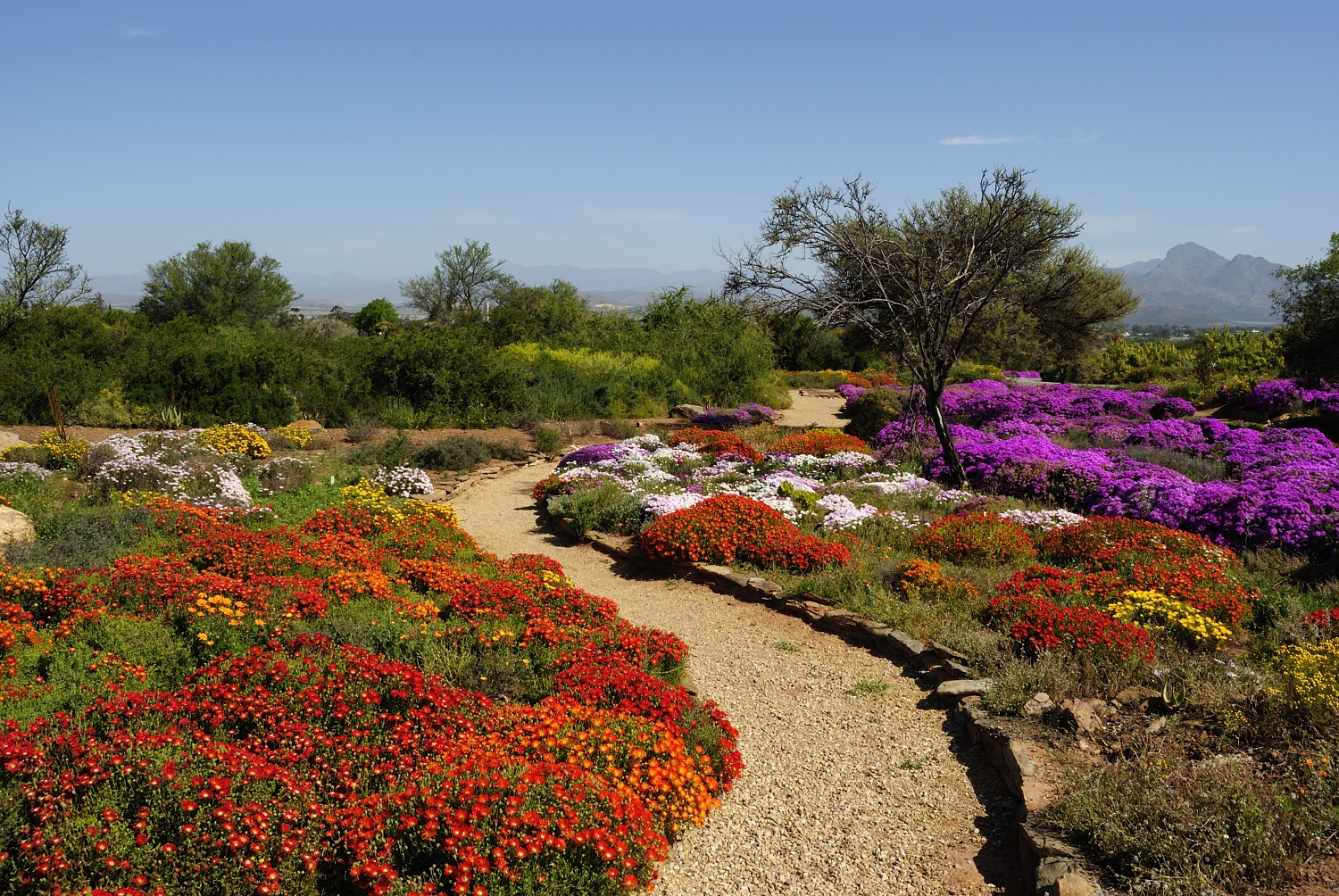
In the semi-arid interior, the Karoo Desert National Botanical Garden in Worcester is showcasing seasonal blooms such as Brunsvigia bosmaniae, creating striking floral displays. 


Karoo Desert National Botanical Garden. IMAGE: SANBI


Beyond the Western Cape, gardens across the country are also participating.  


The Walter Sisulu National Botanical Garden in Roodepoort offers visitors the chance to observe Verreaux’s eagles, while the Pretoria National Botanical Garden showcases water-wise plants suited to home gardens. Meanwhile, the National Zoological Garden of South Africa in Pretoria highlights conservation challenges.  


READ MORE: SANBI – National Gardens Week 2026 

City’s proposed N2 security wall faces more scrutiny

N2 Edge


The City of Cape Town’s proposed R114 million N2 security wall, known as the N2 Edge safety project, is facing growing scrutiny, with political parties arguing it is a mere “cosmetic intervention” and “political spin.”


Build One South Africa (BOSA) says in a recent Parliamentary reply, the Acting Police Minister, Firoz Cachalia, directly contradicted the City’s justification for the wall along the N2 corridor, known as the Hell Run to motorists.


BOSA posed the following questions to Cachalia on 27 February 2026:


Whether he has found that the N2 safety project proposed by the City of Cape Town is an effective safety measure and therefore more suitable for addressing the safety concerns of nearby residents and road users as compared to sustained visible policing and increased investigative capacity; if not, what (a) safety and security concerns faced by nearby residents and road users of the N2 will not be directly addressed by the construction of a highway wall and (b) sustained tools and/or resources does he intend to utilise to address the concerns; if so, what are the relevant details?


Cachalia responded that:


  • The South African Police Service has not determined that the N2 wall can replace sustained visible policing or improved investigative capacity.
  • A highway barrier may help prevent some opportunistic crimes by restricting pedestrian access to the roadway.
  • Infrastructure interventions cannot replace core policing functions.
  • A wall will not directly address organised criminal activity operating beyond the roadside.
  • It will not tackle firearm-related offences, gang-related violence, or resolve broader public order challenges affecting surrounding communities.


He also outlined current policing measures SAPS says it relies on:


  • High-visibility patrols.
  • Intelligence-led operations.
  • Targeted deployment of specialised units based on threat assessments.
  • Collaboration with municipal law enforcement agencies.
  • Focused investigations aimed at arrests and successful prosecutions.


The Minister concluded that effective crime reduction requires an “integrated strategy, combining environmental design measures with sustained policing, intelligence work, and prosecutorial action.”


BOSA Spokesperson Roger Solomons says Cachalia’s reply stands in “stark contrast to repeated public commitments by the Mayor of Cape Town that the N2 wall will help stop crime along the corridor.”


“BOSA has long held that this wall is more a cosmetic intervention than a crime-fighting strategy. If the country’s own Police Minister acknowledges that a wall will not stop the most serious forms of crime affecting nearby communities, then the City must explain why it continues to present this project as a meaningful safety solution.”


The GOOD Party’s Brett Herron also doubled down on his criticism of the N2 wall, accusing Mayor Geordin Hill-Lewis of “election spin.”


Herron says in response to written questions in the Western Cape legislature, it has emerged that the Western Cape Department of Infrastructure, which has the authority to approve the project, has had no involvement in any planning, is not involved in any studies, and has not spent any funds on any work relating to the project.


“Walling off the ghettoes is more fantasy than reality, certainly at this stage, with lots of energy devoted to the comms (in an election year) and none to actual planning.”


The Mayor tabled the N2 Edge safety project in Council on 29 January 2026, allocating R114 million in the adjustment budget.


He said, besides safety barrier repairs and reinforcements along the N2, from the Baden Powell Road intersection to Bhunga Avenue, the project would bring various safety improvements for adjacent communities, including:


  • new pedestrian crossings,
  • improved lighting and access control,
  • safety barriers for recreational spaces,
  • safer grazing practices,
  • reduced scope for illegal dumping,
  • and other opportunities arising from the coming engagements with communities along the N2


He maintains it will make a positive difference to the safety of every motorist along that stretch and reduce pedestrian fatalities.


“It is not fair that a small number of criminal elements are impacting the safety of hundreds of thousands of daily users of the N2, including commuters from Khayelitsha, Mitchells Plain, Blue Downs, Eerste River, Mfuleni, the Helderberg, and neighbouring towns.

The N2 edge project will improve safety alongside the City’s beefed-up highway patrolling, with over 40 new Metro cops deployed to the N2, backed by CCTV cameras, automatic number plate recognition, and digital coordination for rapid response to help motorists.”


The project is scheduled to have its main construction funded in the 2027 financial year. R7 million has been allocated in the current financial year for detailed design work, with R108 million planned for the 2026/27 financial year.

These bank branches now offer Smart ID applications

smart ID


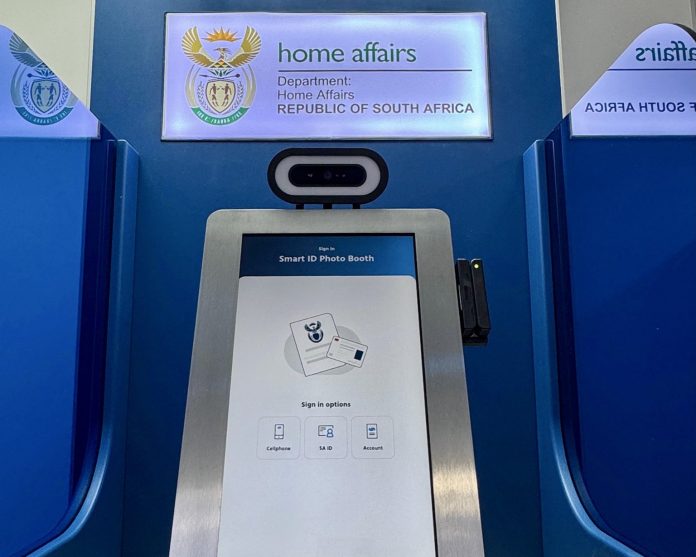
The Department of Home Affairs has officially launched its new digital partnership with banks that will allow South Africans to apply for Smart ID cards directly at participating bank branches, marking a major step in the department’s digital reform programme.


The initiative officially entered its live operational phase on Sunday, 8 March, as part of the department’s Home Affairs @ Home programme, which aims to modernise identity and civic services through secure digital platforms.


Under the new system, applicants can complete a Smart ID application at selected bank branches in as little as five to ten minutes. The process is handled through integrated digital systems that connect banks directly to Home Affairs, removing the need for paper forms or prior bookings.


The department says the model will allow people to access services closer to where they live, rather than travelling to one of the country’s 349 Home Affairs offices, where long queues have historically been a challenge.


Nine bank branches began offering the service on Sunday, with the number expected to increase to 17 by the end of the week. The first participating institutions include Capitec Bank and Standard Bank, while First National Bank is currently in the final phase of testing its systems.


Officials say the new model replaces the previous arrangement where small Home Affairs offices were hosted inside some bank branches and clients had to complete applications online through the eHomeAffairs platform before visiting the branch primarily for biometric capture.


Under the updated system, applications are processed entirely within the banks’ own service environments through a secure API-based digital gateway linked to the department’s systems.


Initially, the service will allow South African citizens, qualifying naturalised citizens and permanent residents who still hold the green ID book to convert to the Smart ID card. Existing Smart ID holders will also be able to apply for re-issues.


According to the department, about 16 million South Africans still use the green ID book, which has been widely identified as one of the most commonly defrauded identity documents on the continent. Accelerating the transition to Smart IDs is seen as a key step in strengthening the country’s identity system and reducing fraud.


The department plans to gradually expand services offered through the banking partnership during 2026. Future phases are expected to include first-time Smart ID applications, passport services, courier delivery of documents and the ability to apply through banking apps.


The rollout will take place in phases to ensure system stability, with additional bank branches expected to join the programme throughout the year.


Government has set a target of expanding the digital partnership to around 1,000 bank branches across South Africa by 2029 as part of its Medium-Term Development Plan.


Home Affairs Minister Dr Leon Schreiber said the launch marks a major milestone in the department’s reform efforts.


“By embracing digital transformation, we are redefining what public service delivery looks like in the modern age,” Schreiber said.


“Instead of forcing people to go to Home Affairs to endure long queues and manual processes, we are using technological security and efficiency to bring Home Affairs to the people, delivering access, inclusion and dignity for all.”


The first participating branches include several Capitec outlets such as Eyethu Mall in Orange Farm, Howick, Swellendam, Sandton City, Kathu Village Mall, Matoks, Hermanus and Fountains Mall in Jeffreys Bay, as well as selected Standard Bank branches, including Maponya Mall in Soweto and Rosebank.


As of 9 March 2026, citizens can visit the following bank branches that have launched or will launch later this week:


Capitec


Orange Farm, Eyethu Mall (Live)
Howick (Live)
Swellendam (Live)
Sandton City (Live)
Kathu Village Mall (Live)
Matoks (Live)
Hermanus (Live)
Jeffreys Bay, Fountains Mall (Friday)
Pietermaritzburg (Friday, 13 March)
Tygervalley (Friday, 13 March)
Stellenbosch (Friday, 13 March)
Vredenburg (Friday, 13 March)
Cape Town V&A (Friday, 13 March)


Standard Bank


Soweto, Maponya Mall (Live)
Rosebank (Live)
Westgate Mall (Thursday, 12 March)
Parow (Thursday, 12 March)


Additional branches will continuously be added to the list. To find a participating bank branch, and to be informed as more branches are activated, visit www.dha.gov.za/banks.

R2.8 Million Worth of Drugs Seized at OR Tambo Airport in Back-to-Back Busts

drugs seized at OR Tambo


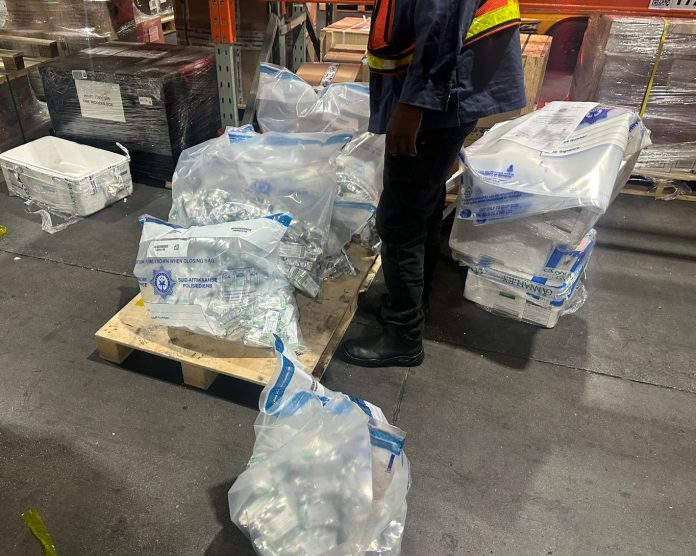
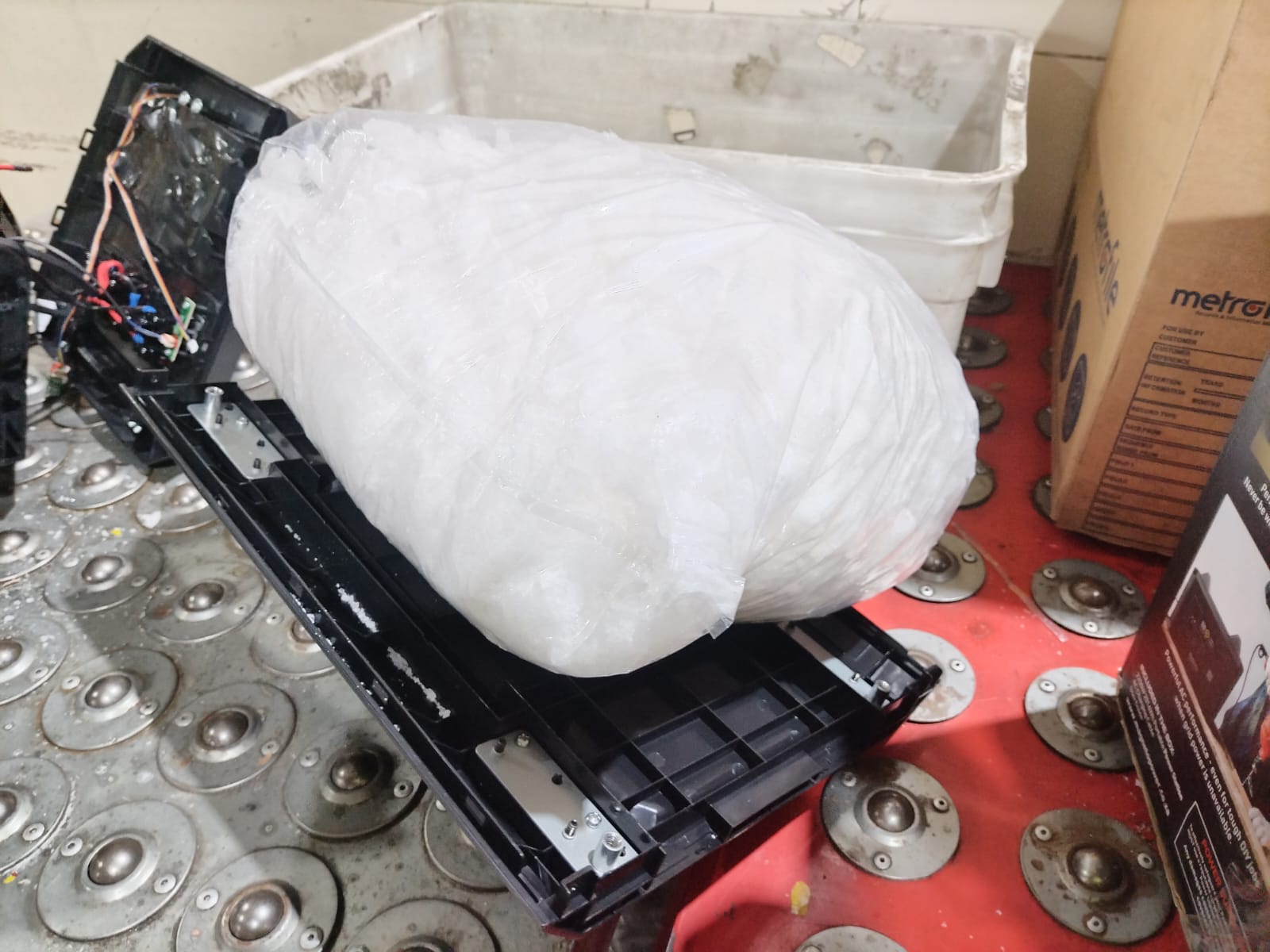
Police are continuing investigations to track down traffickers linked to a massive drug bust at OR Tambo International Airport involving narcotics worth R2.8 million last week.


National police spokesperson Athlenda Mathe said police officers discovered crystal meth valued at R2.2 million at a cargo warehouse within the airport on Wednesday.


“The crystal meth was destined for the Philippines. Investigations are ongoing to identify and apprehend those responsible for this trafficking network.”


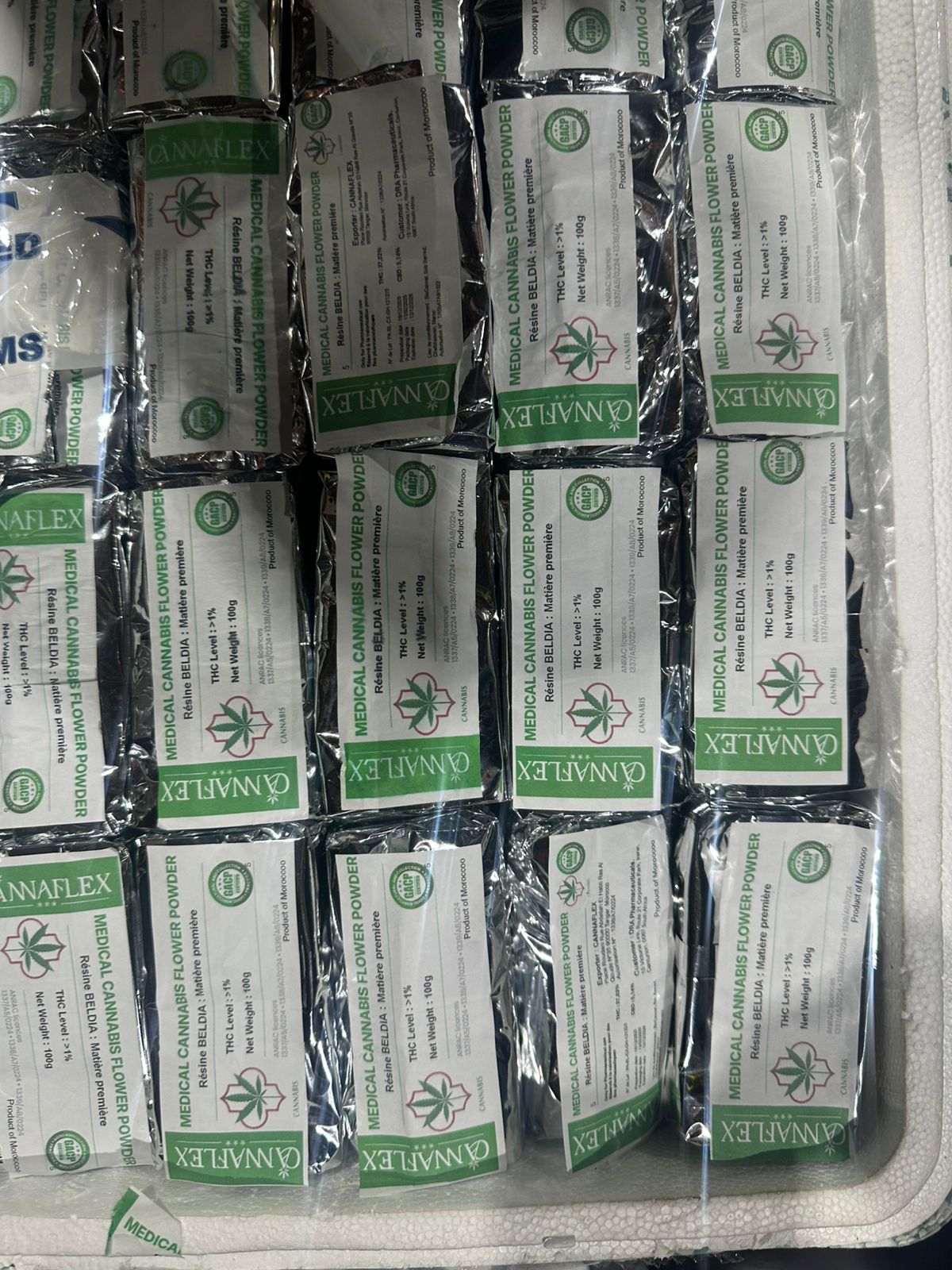
During another operation, dagga with an estimated street value of nearly R700 000 was seized at the airport on Thursday.


“The second drug bust was made at another cargo warehouse, where eight large boxes containing dagga worth R672 000 were discovered. The dagga was shipped from Morocco and was destined for South Africa,” she added.

Police have emphasised that further efforts are underway to uncover the full scope of the operation and bring the suspects to justice.

Also read: 64 Year Old Serial Robber Arrested at OR Tambo International Airport


error: Content is protected !!