12.9 C
Cape Town
Thursday, July 9, 2026
Home Blog Page 163

Future 50: Packtech Tooling


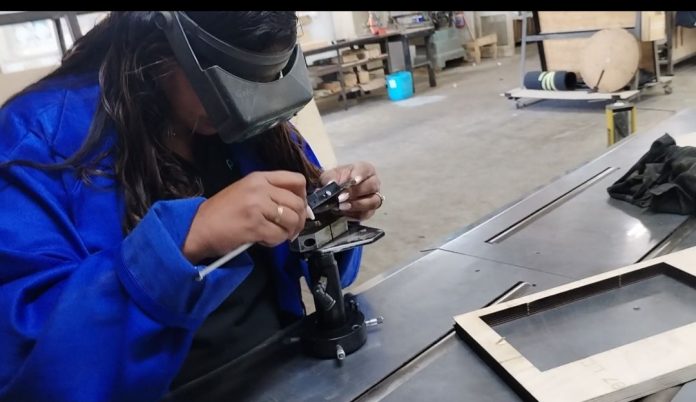
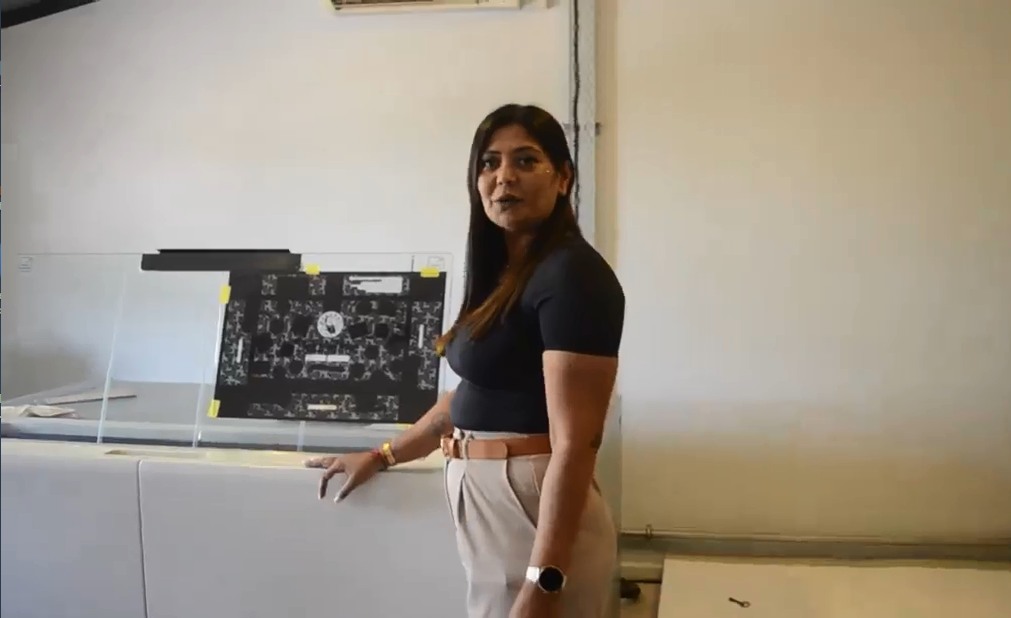
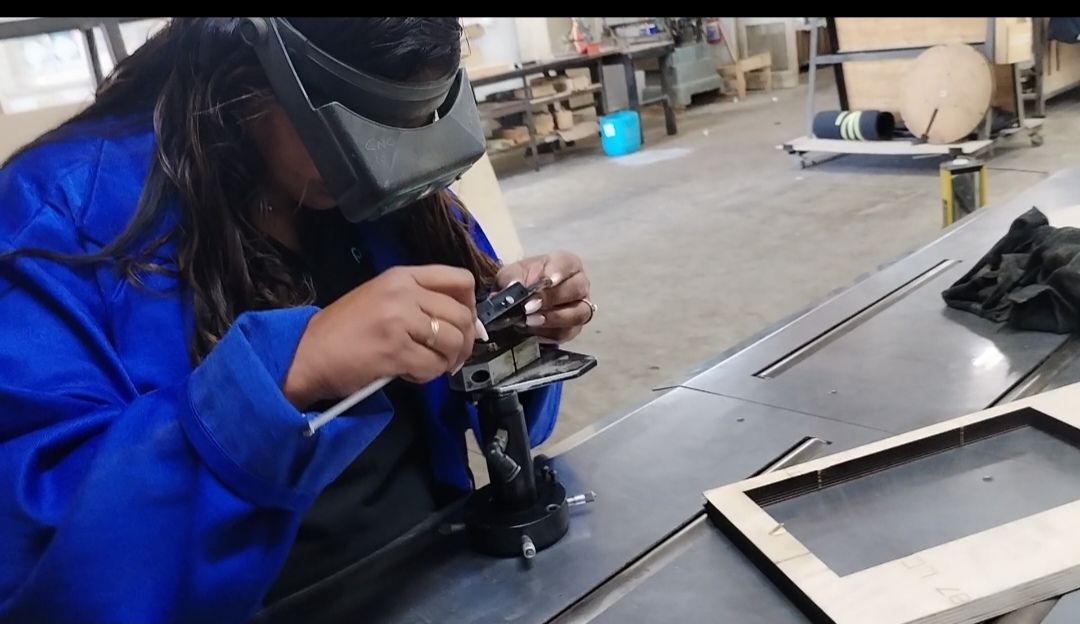
his week on Future 50, Packtech Tooling a specialist in metal- and wood-based tooling for Africa’s printing, packaging, and related industries.


With expert staff, advanced machinery, and a strong focus on research and development, Packtech delivers quality tools, fast turnaround times, and competitive pricing while taking social responsibility seriously.


Listen to the interview here:


Powered by FNB Business. Help Changes Everything. An Authorised FSP and Credit Provider.

Ramaphosa leads reburial of repatriated Khoi and San remains in Northern Cape

khoi san


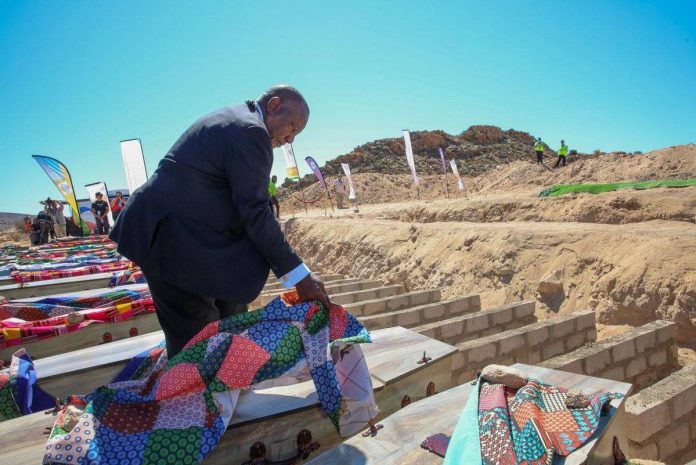
President Cyril Ramaphosa has led a solemn reburial ceremony for ancestral Khoi and San remains in Kinderlê, in the Northern Cape.


The remains, some dating back to the 1800s, were previously taken to European institutions during the colonial era and have now been repatriated.


Ramaphosa has described the reburial as an important act of dignity and restitution, acknowledging the historical injustices suffered by indigenous communities.


He says returning the remains is part of ongoing efforts to heal the divisions of the past and restore cultural heritage.


Read President Ramaphosa’s full speech below, during the official ceremony on Monday, 23 March, 2026: 


It is an honour to be here today as we lay our ancestors to rest.


A dignified burial is but the least we can do as the democratic government to honour these, our countrymen and countrywomen, who were victims of a terrible past.


The Nama, Khoi, Korana, Griqua and San people bore the brunt of European conquest of southern Africa. They were dispossessed of their lands, and unimaginable violence was unleashed upon them.


In life, they were robbed of their names, their culture, and their very humanity.


During a dark period of scientific racism in the late 18th century and 19th century, many of our people were coerced to leave southern Africa for Europe; where their physical features made them exotic specimens for exhibition, study and exploitation.


Not even death would spare them from indignity.


Their remains were dug up from graves and sold to museums and medical institutions in Europe. The sale of human remains of indigenous peoples for study in Europe was rooted in racism and used to advance theories of European racial superiority.


Others, like Sara Baartman, died sick and alone in these faraway lands.


Today, as their remains are finally returned to the land from which they were taken, we restore the dignity that was so cruelly denied to them in life and even in death.


It is a culmination of a long journey and a collaborative partnership between government and various stakeholders. They include the Iziko Museum, formerly the South African Museum, the South African Heritage Resources Agency (SAHRA), and the Hunterian Museum at the University of Glasgow in Scotland.


I would like to welcome the representatives from the Hunterian Museum who are with us today.


Following discussions that began in 2022, last year we successfully repatriated the remains of five individuals, together with two plaster face-casts and a smoking pipe that was excavated from a burial ground.


These remains were unethically exhumed between 1868 and 1924 from graves in the Northern Cape and were donated to the university.


The other remains that will be buried today had been housed at the Iziko Museum since the 1920’s.


The return of our ancestors to their descendant communities is a vital act of restoration and restitution that goes beyond acknowledging the colonial legacy, it is also a manifestation of ubuntu – a recognition of our common humanity.


Today, we accompany them to their final rest here at Kinderlê, a place with a tragic history.


It was here, in 1867 that 32 Nama children were murdered while their parents were away at a church service.


The Northern Cape Reburial Task Team has chosen this site as an act of reconciliation, and as a reminder that despite the deep divisions in our past, we are one people.


The greater tragedy of the erasure of the indigenous peoples of southern Africa is that much of it went unacknowledged.


It was only in the late 20th century that European countries began to seriously confront their colonial legacies, and even then, it has only been some of them.


Even amidst the emergence of serious critiques on the part of these European powers in the late 1970’s, many have avoided a deeper reckoning.


Some of these countries have apologized for specific atrocities, but in the main they have fallen short of full, unqualified apologies for colonialism as a whole.


As democratic South Africa, we do not linger in the shadow of unspoken apologies or deferred reckonings.


We will restore dignity – on our own terms.


This year marks thirty years since our democratic Constitution was signed into law.


The preamble of the Constitution calls on us to heal the divisions of the past and establish a society based on democratic values, social justice and fundamental human rights.


Our Constitution obliges us to advance restitution for all those who were the victims of colonial and apartheid atrocities.


Since 1994 we have actively implemented legislative and policy reforms to address the historical exclusion of our indigenous communities. We have done this through land restitution and redress, legal recognition of leadership structures, and support for cultural revival and language preservation.


Through the National Policy on Repatriation of Human Remains and Heritage Objects we will continue to forge partnerships with institutions and individuals across the world to recover ancestral human remains that were illegally taken from South Africa.


I would like to thank the Ministry of Sports, Arts and Culture, the Northern Cape Reburial Task Team, the Iziko Museums of South Africa and the South African Heritage Resources Agency for their ongoing work in this regard.


We thank the traditional leadership who are with us today for being part of this important act of redress that we hope will bring a measure of closure to the affected communities.


Human dignity is not dependent on who you are, what language you speak, what colour your skin is, where you were born or how much or how little you have.


Human dignity is inherent. We claim it for ourselves.


It cannot be deferred. And it cannot be erased.


The illegal exhumation of our ancestors for sale in faraway lands exposed the depths of depravity to which human beings could descend.


They were dug up and turned into commodities and specimens, displayed under the cold gaze of pseudoscience.


Their restless spirits were left to wander here in the Northern Cape, the land where they once lived.


Today we welcome their mortal remains, that they may at last be reunited with their spirits.


They were not nobodies.


They came from communities. They had families. Each and every one of their lives had meaning and purpose.


They were our people.


They came from this land, to which we now return them.


And we have brought them home to be buried here alongside the children of Kinderlê.


In the words of our great legend Diana Ferrus:


“I have come to take you home, where the ancient mountains shout your name. I have made your bed at the foot of the hill. Your blankets are covered in buchu and mint. The proteas stand in yellow and white.


I have come to take you home where I will sing for you, for you have brought me peace. For you have brought us peace.”


We honour you. We remember your precious lives. We pray that you may finally rest in peace.

 

PICS: 81,000 hectares secured for long-term conservation in the Western Cape

conservation
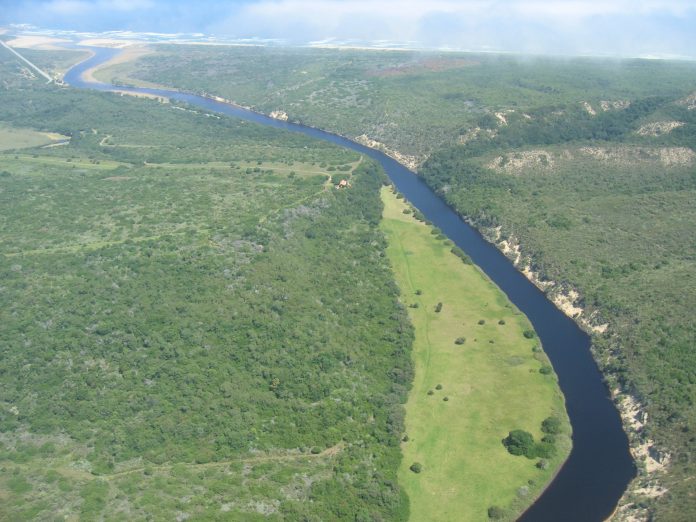
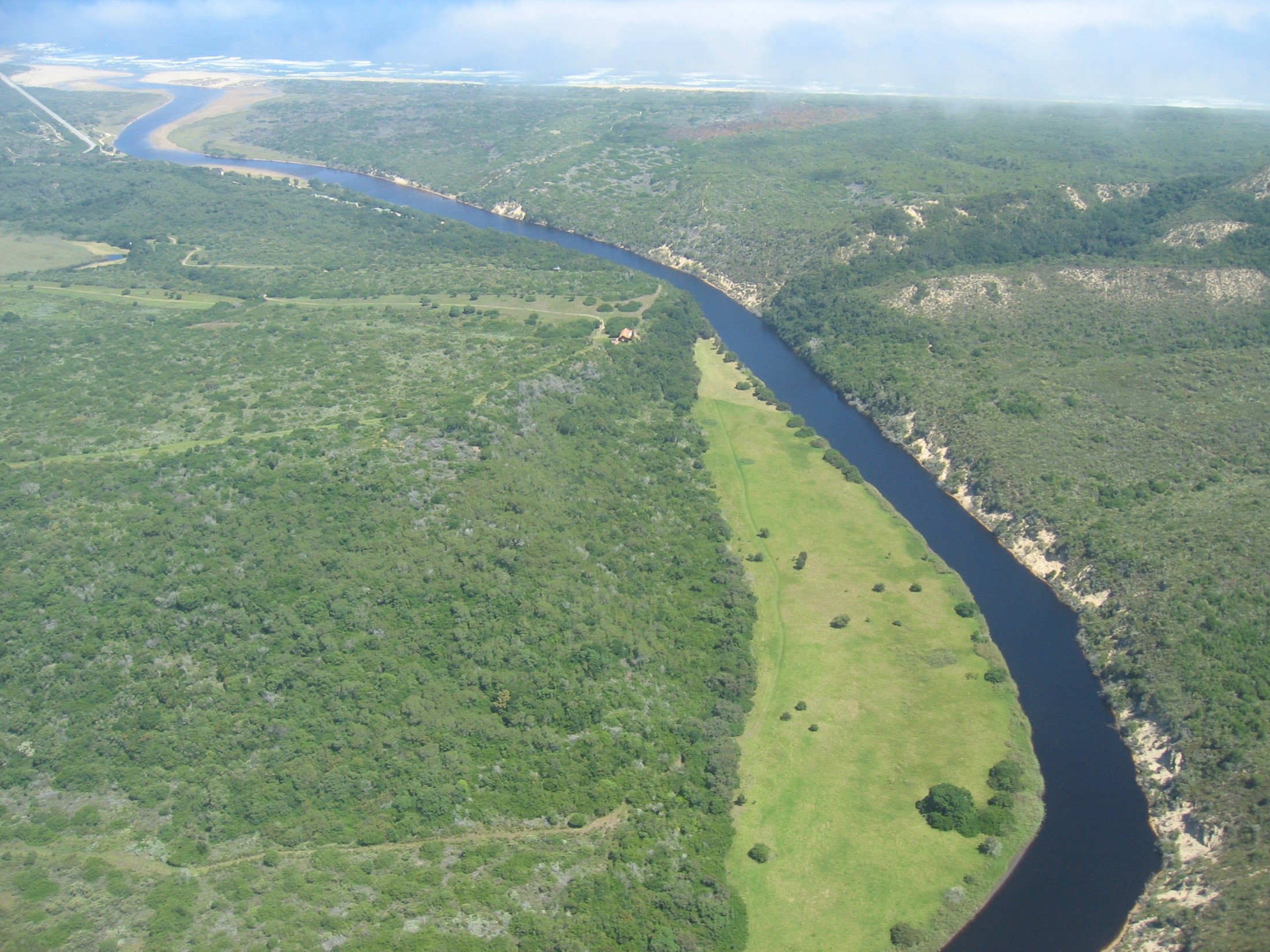
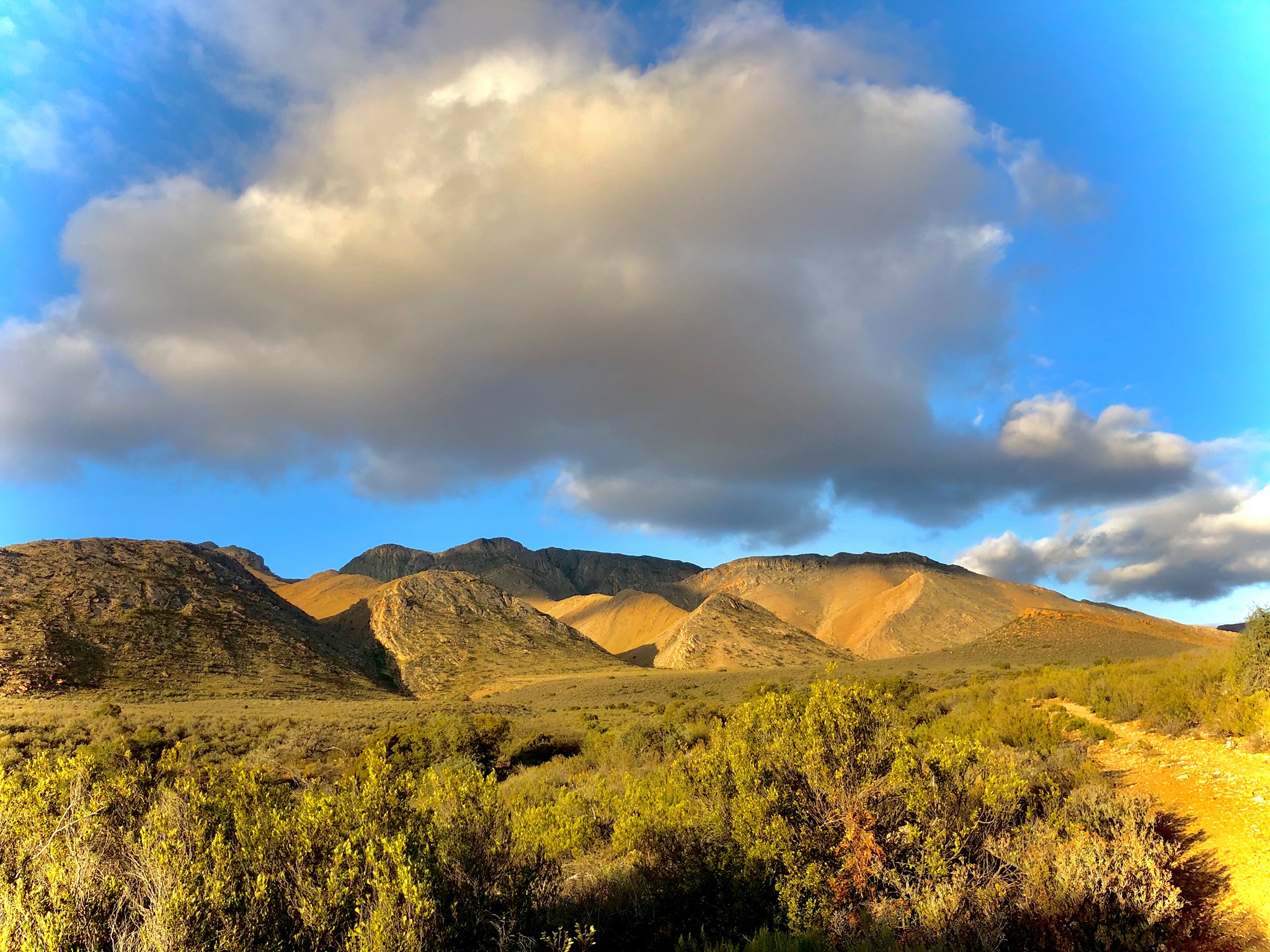
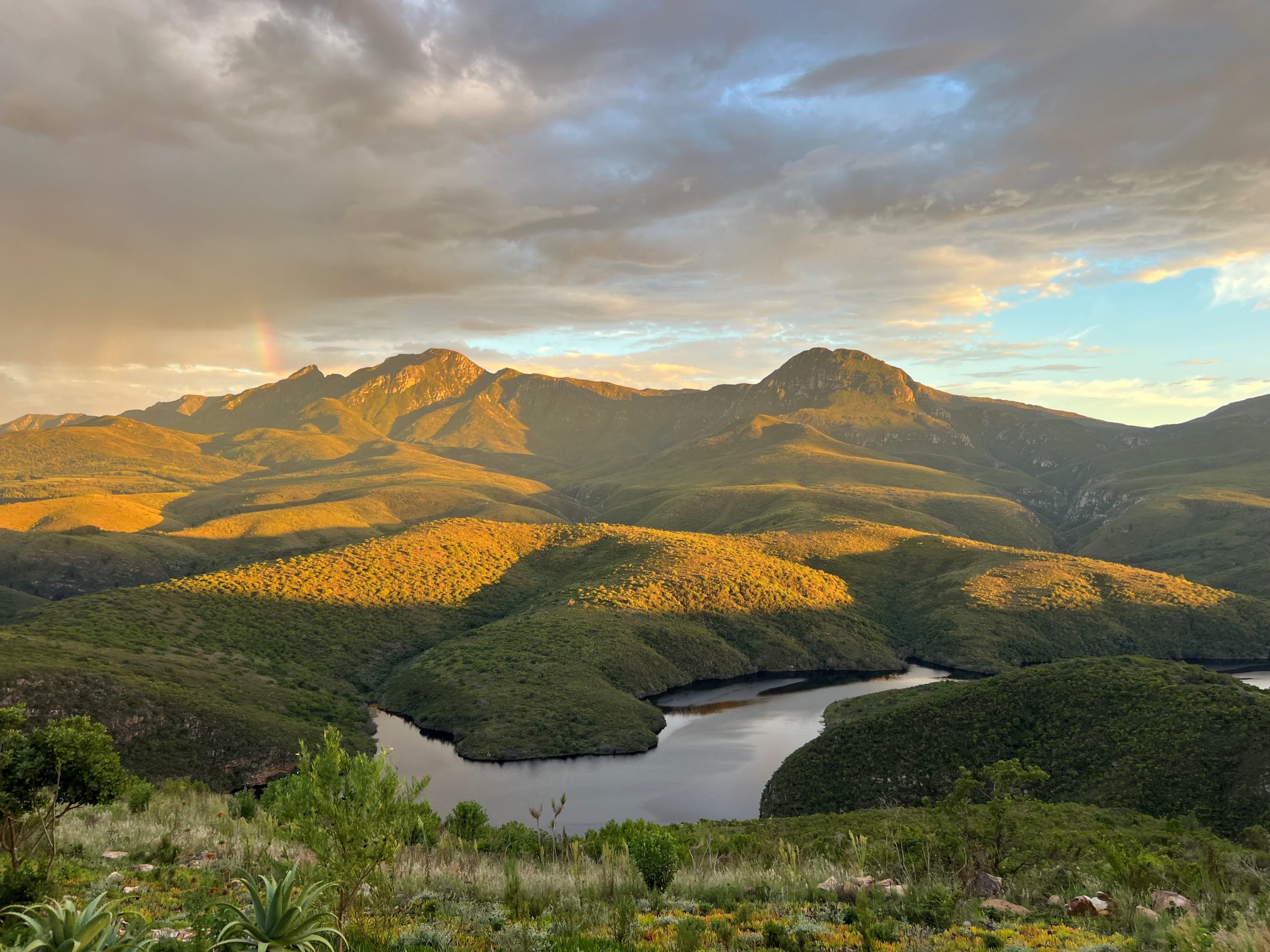
Buffalo Valley - Image Credit: Guy Thesen


The Western Cape has added over 20 new nature reserves to its Protected Area network, securing more than 81,715 hectares of ecologically significant land for long-term conservation.


Declared between April 2025 and March 2026, these new reserves strengthen the province’s efforts to protect important landscapes, species, and vegetation types. 


The reserves span diverse regions, including the Cederberg, Agulhas Plain, Little Karoo, and Garden Route, and range from small properties to expansive mountain and lowland areas.


Through CapeNature’s Biodiversity Stewardship Programme, landowners can voluntarily commit to having their land formally declared as a Protected Area and nature reserve. 


Each declaration contributes to the province’s long-term environmental commitments and supports efforts aligned with the Global Biodiversity Framework 30×30 goals – an initiative aimed at formally protecting 30% of the planet’s land and oceans by 2030. 


“The Cape Floristic Region is one of 36 recognised global biodiversity hotspots,” said Anton Bredell, Western Cape Provincial MEC of Local Government, Environmental Affairs and Development Planning. 


“These hotspots are regions that have high levels of biodiversity, but that are also the most threatened reservoirs of plant and animal life on earth. Healthy and resilient ecosystems are essential to sustain livelihoods and economic growth and must be actively protected, managed, and restored. Our ability to declare these additional reserves is made possible through partner organisations and landowners, working with CapeNature.” 


Dr Ashley Naidoo, CEO of CapeNature, said the declarations are made possible thanks to landowners who work alongside conservation agencies and the Western Cape Government. 


“Their commitment ensures that important natural areas receive formal protection, and together we are taking steps toward securing a healthier, more resilient environment for decades to come.” 


Most of these reserves are privately owned, while CapeNature manages Anysberg Nature Reserve and Knersvlakte Nature Reserve, which have been expanded.


Public access will be determined in line with land-use and conservation requirements. For information on visiting privately managed reserves, the public is advised to contact the respective reserve directly. 


CapeNature says landowners, who are interested in making a difference for conservation in the Western Cape, can reach out to CapeNature’s Stewardship Team at wcpaes2025@capenature.co.za to begin the process of formally protecting their property. 


Newly declared Nature Reserves


Nature Reserve Hectares 
Anysberg Nature Reserve (expansion) 6 918.3081 ha 
Bloutoring Nature Reserve 4 610.8996 ha  
Buffalo Valley Nature Reserve 318.3445 ha 
Cedar Rock Nature Reserve 9 872.7000 ha 
Cederberg Oasis Nature Reserve 226.664 ha  
Diosma Nature Reserve 10.7664 ha  
Doringkloof Karoo Plaas Nature Reserve 209.2027 ha 
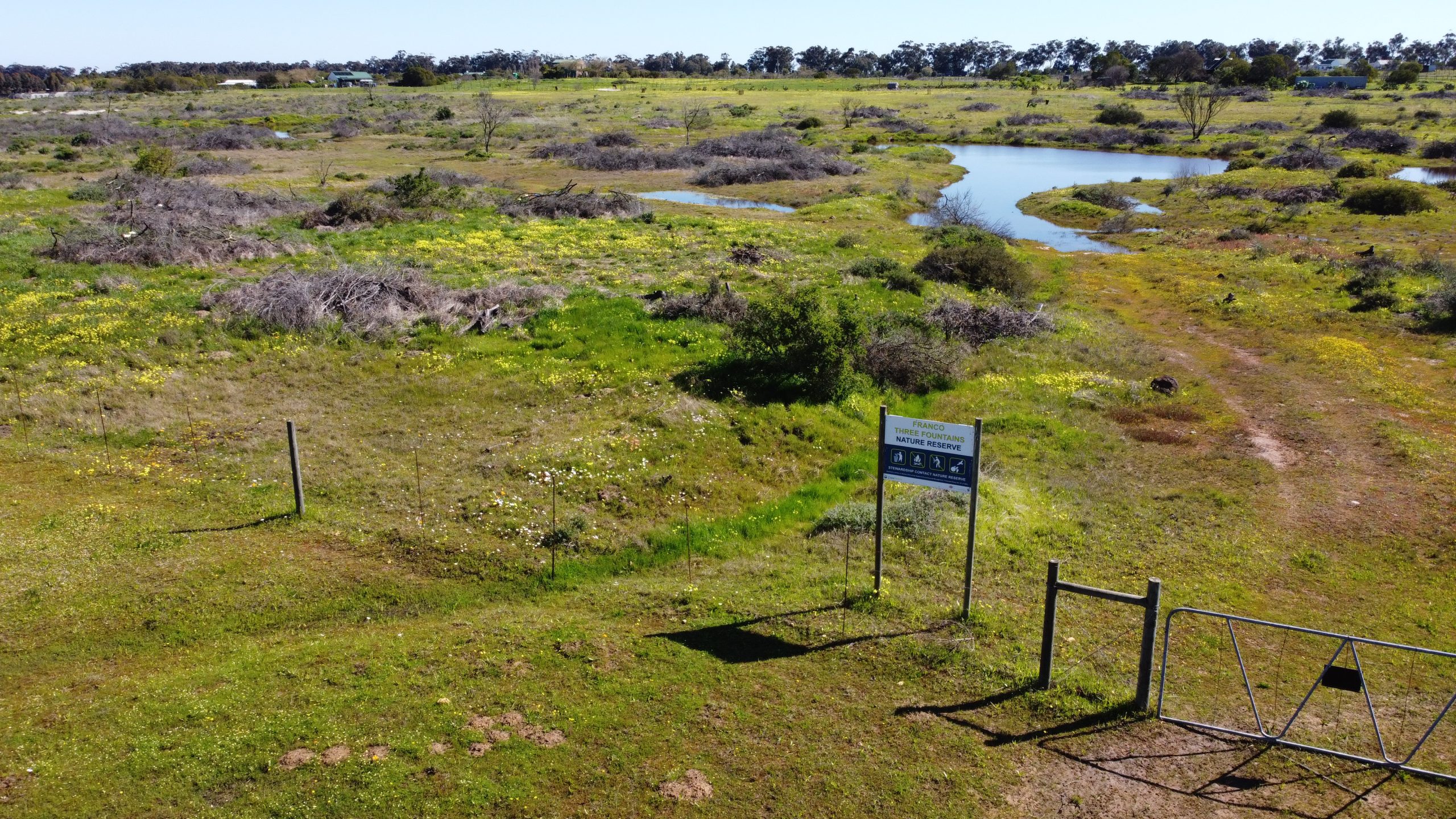
Franco Three Fountains 21.4250 ha 
Fynbosstrand Nature Reserve 425.6964 ha  
Gecko Rock Private Nature Reserve 3 658.0296 ha  
Haarwegskloof 547.7954 ha 
Kleiheuwel Nature Reserve 2 724.5000 ha  
Knersvlakte Nature Reserve (expansion) 34 084.3925 ha 
Koopmanskloof Nature Reserve 65.5074 ha  
Lettas Kraal Nature Reserve 6 922.6114 ha 
Machaseh Nature Reserve 844.8371 ha  
Mount David Nature Reserve 713.0000 ha 
Pietersrivier Nature Reserve 1 151.2790 ha 
Puntjie Nature Reserve 102,1145 ha 
Silflay Renosterveld Nature Reserve 1 280.6129 ha  
Voorstekop Nature Reserve 347.9000 ha  
Waterkloof Nature Reserve 2 062.9245 ha 
Wilderness 643.6419 ha 
Zebraskop Nature Reserve 3 952.2036 ha 

Taxi driver arrested for assaulting female traffic officer

traffic


Provincial Traffic Services are stepping up enforcement operations, ahead of the Easter break, with this past week resulting in the arrest of 88 drivers, including a taxi driver who allegedly assaulted a traffic officer.


Between 16 and 22 March 2026, 257 road safety checks resulted in more than 38,000 vehicles being stopped and inspected. Of the 88 arrests, 50 motorists were driving under the influence of alcohol.


Among those arrested was a taxi driver, who was also allegedly driving drunk.


On Sunday, the taxi driver reportedly ran a red light on Old Paarl Road in Brackenfell while over the legal alcohol limit.


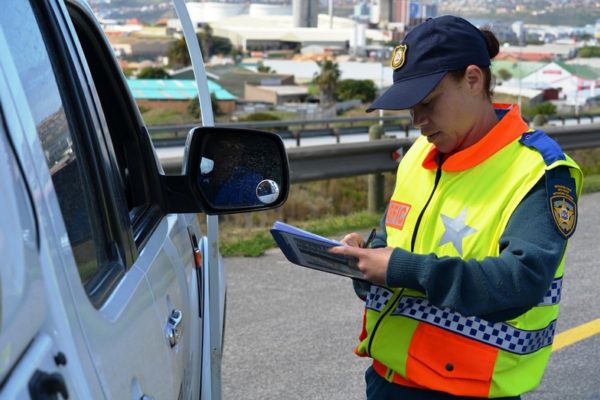
When traffic officers tried to stop him, he allegedly resisted arrest and physically assaulted a female officer, leaving her with some bruises, before attempting to flee.


Provincial traffic services later detained him and handed him over to the Kraaifontein police station. He now faces charges of reckless driving, driving under the influence, and resisting arrest. It is not clear whether an assault charge will also be added to the charge sheet.


Mobility MEC Isaac Sileku says traffic officers are at the coal face of trying to keep the roads safe, and this incident again illustrates how dangerous their work can be.


“I’m glad the officer is okay and was able to help make sure the driver was arrested. This driver’s behaviour was completely unacceptable. We thank the vehicle owner for helping, and we will make sure anyone who threatens our officers faces the toughest consequences.”


Besides the arrests, officers also wrote out more than 8,500 fines over the period in question.


38 vehicles were impounded, while 168 vehicles were taken off the road for serious defects.


In addition, 320 speeding offences were recorded.


Sileku says that with the end of the month and the Easter long weekend approaching, traffic volumes will increase, along with the risk of drunk driving.


“We are stepping up enforcement during this high-risk period. Every officer on the road is working hard to prevent crashes and save lives. We urge all residents to drive sober, stay patient, and help ensure everyone reaches their destination safely.”


Tragically, 21 crashes were reported over the same 7-day period, resulting in 22 deaths. Of these, 13 were pedestrians, who are often the most vulnerable on the roads.


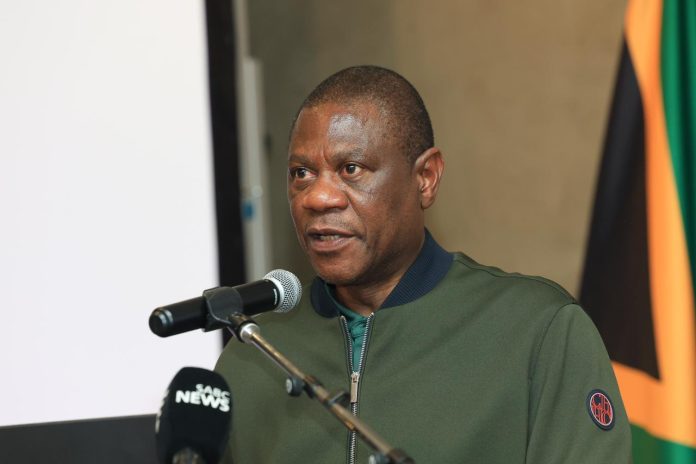
Deputy President Mashatile denies links to Cat Matlala

mashatile; matlala
Deputy President Paul Mashatile in Pretoria March 2026. IMAGE: GCIS


Deputy President Paul Mashatile has denied claims of plans to meet with alleged crime kingpin Vusumuzi Cat Matlala. 


“Deputy President Paul Mashatile has noted claims made by Sergeant Fannie Nkosi at the Madlanga Commission earlier today to the effect that the Deputy President met with Mr Vusimuzi Cat Matlala or that the latter intended to meet with him,” said acting spokesperson to Deputy President Paul Mashatile, Keith Khoza.


This follows Monday’s testimony at the Madlanga Commission by Sergeant Fannie Nkosi, who’s been accused of being an intermediary between suspected crime figures and government officials. Monday was his eighth day of testifying at the Commission 


Nkosi claimed that Matlala mentioned to him about a meeting scheduled with Mashatile.


Khoza said the deputy president has denied the claims and is prepared to cooperate with the Commission should they require clarity from him.


“Of significance is that the Deputy President does not know the individuals referenced in the testimony and has never had any association or dealings with them. Of greater significance is that the Deputy President was out of the country at the time that Mr. Matlala purportedly met with him or intended to do so,” said the Khoza in a statement from the Presidency.

error: Content is protected !!