18.9 C
Cape Town
Wednesday, July 8, 2026
Home Blog Page 151

How other countries are responding to rising fuel costs

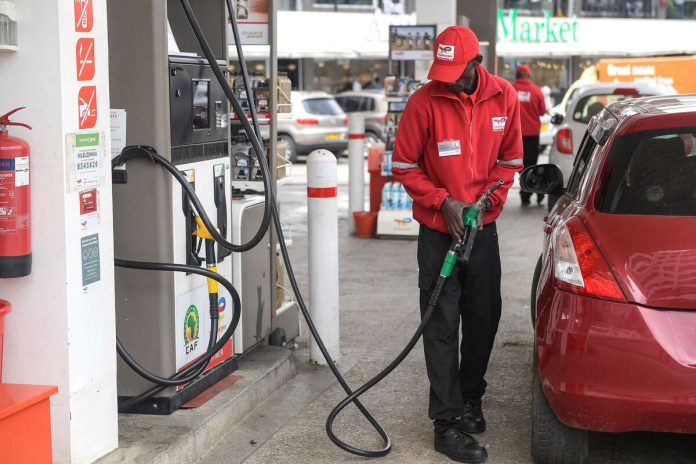
Image: Financial Fortune - Steve UMIDHA


Governments across the globe are scrambling to curb energy demand and shield consumers from rising fuel costs following escalating tensions in the Middle East, with a wide range of emergency measures introduced.


From enforced work-from-home policies to fuel rationing and price caps, countries in Asia, Africa, Europe and Latin America are adopting both conservation strategies and financial relief mechanisms in response to tightening energy markets.


Locally, South Africans have been assured of adequate fuel supply, but there have been reports of fuel rationing at retailers and localised shortages caused by supplier delays.


Consumers are on tenterhooks waiting for the official fuel price announcement for April, with a R6 hike in petrol and a near R11 hike in diesel looming, if no steps are taken to mitigate the impact.


Here is a list of what many other countries have done to both conserve energy and the relief mechanisms introduced:


Emergency energy conservation measures (as of 30 March)


CountryKey Interventions
BangladeshClose universities; AC limit (25°C); restrict lighting; fuel limits; promote public transport
CambodiaOnline meetings; cooling limits (24–25°C); reduce official travel; public urged to save power
ChileFreeze public transport fare hikes; incentives for electric taxis
EgyptLimit government travel; early office closures; restrict lighting; promote public transport
EthiopiaPublic urged to reduce fuel use
IndiaLimit industrial gas (80%); ration LPG; expand piped gas
IndonesiaLimit official travel; office energy-saving; accelerate biodiesel
Korea (South Korea)Vehicle restriction system; energy-saving campaign
Lao PDRRemote work/shift rotation; shorter school week; fuel-saving campaign; promote public transport
MalaysiaLimit government travel
MaldivesHalf-filled LPG cylinders
MyanmarRemote work (Wednesdays); fuel rationing; alternate driving days
NepalRestrict government vehicles; LPG rationing; limit travel
Pakistan4-day work week; limit travel; school closures; reduce speed limits
Philippines4-day work week; cooling limits; restrict travel; reduce fuel use; free public transport (selected areas)
SenegalPublic urged to adapt energy use
SingaporePublic urged to conserve energy
SloveniaCap fuel purchases
SpainIncentives for solar, electrification, and efficiency
Sri LankaRemote work; cooling limits (26°C); school closures; fuel rationing; quotas; lighting restrictions
ThailandRemote work encouraged; cooling limits; reduce travel; carpooling; biofuels
VietnamRemote work; limit travel; promote public transport

Emergency consumer support measures (as of 30 March)


CountryKey Interventions
AlbaniaCut fuel excise duty (20%)
AustraliaReduce fuel levies by 50%
AustriaCap fuel margins; cut fuel taxes
BarbadosLock fuel oil price; subsidise electricity; cap VAT
BrazilFuel subsidies; lower diesel taxes
CambodiaCut fuel VAT; prevent price gouging
ChileFreeze kerosene prices; suspend fuel credits
ChinaControl fuel prices
CroatiaCap fuel prices; cut excise duty
EthiopiaSubsidise diesel and petrol
GermanyLimit fuel price increases (once daily)
GreeceCap margins; subsidies (fuel, households, fertiliser)
HungaryCap fuel prices
IndonesiaIncrease fuel subsidies
IrelandExtend fuel support; cut excise; targeted aid
ItalyCut fuel excise taxes
JapanSubsidy-backed fuel price cap
Korea (South Korea)Fuel price cap
Lao PDRCut excise duty; use subsidies to stabilise prices
LatviaReduce diesel excise duty
MexicoAgreement to cap gasoline prices
MozambiqueCap retail fuel prices
NamibiaReduce fuel levies by 50%
New ZealandWeekly financial relief for vulnerable households
PhilippinesFuel subsidies; cut excise taxes
PortugalTemporary fuel tax cuts
SerbiaCap fuel prices; cut excise duties
SloveniaReduce fuel excise duties
SpainCut VAT; suspend fuel tax; promote alternative energy
SwedenTemporary fuel tax cuts
ThailandFreeze cooking fuel prices; subsidies
TürkiyeLower fuel taxes
United KingdomHeating support; anti-price gouging; expand energy programmes
VietnamCut import tariffs; expand stabilisation fund


SOURCE: The International Energy Agency
SAPS Targets Fake Goods Syndicates in Major Raids

SAPS clamp down on fake goods
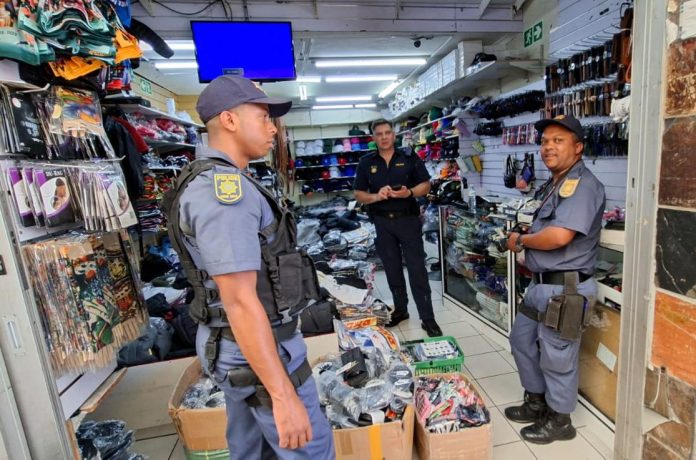
Image: SAPS


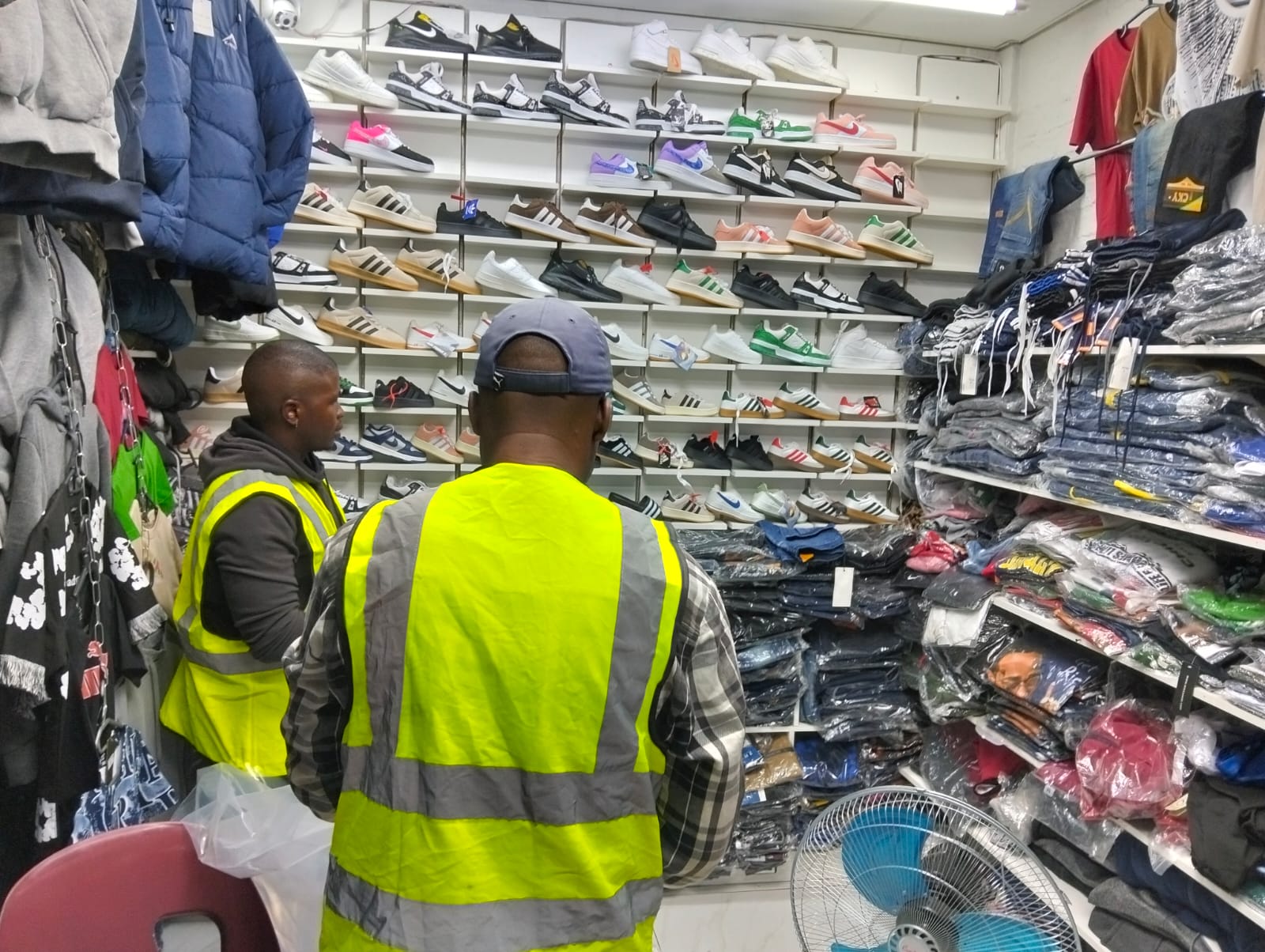
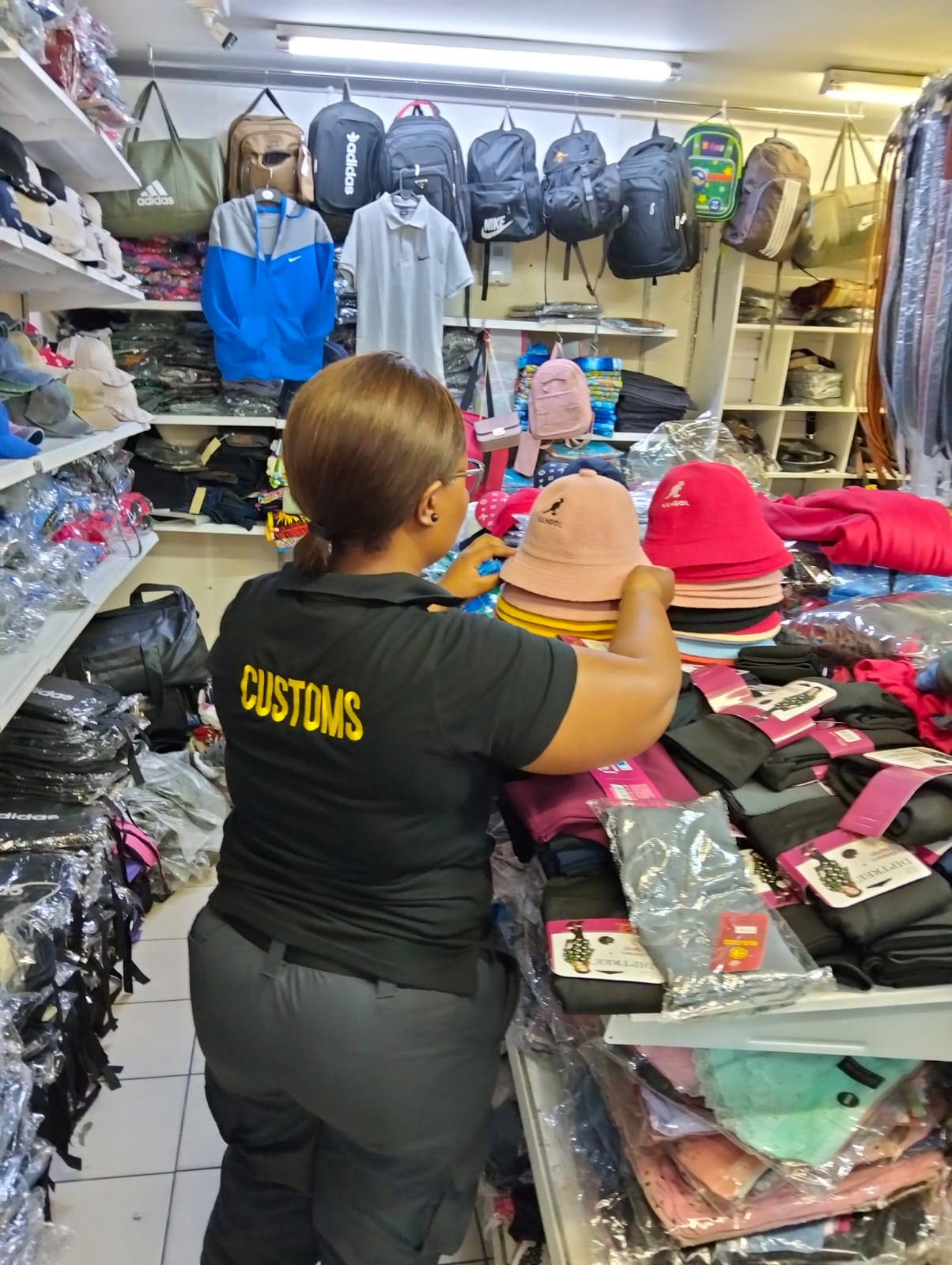
In a major crackdown on criminal networks, the South African Police Service (SAPS) and its crime-fighting partners seized more than R100 million worth of fake goods in Bellville.


SAPS says these operations are striking a decisive blow against the illegal trade in counterfeit and illicit goods, sending a strong message to those profiting from criminal activity.


“The National Counterfeit and Illicit Goods Unit led a joint takedown operation in Bellville on Tuesday, 24 March 2026, which resulted in the seizure of counterfeit goods worth more than R117 million.”


The operation led to the confiscation of several items ranging from clothing to accessories.

“The team seized over 130 000 counterfeit items, including branded clothing, sports apparel, sneakers, caps, sunglasses, and watches,” SAPS added.


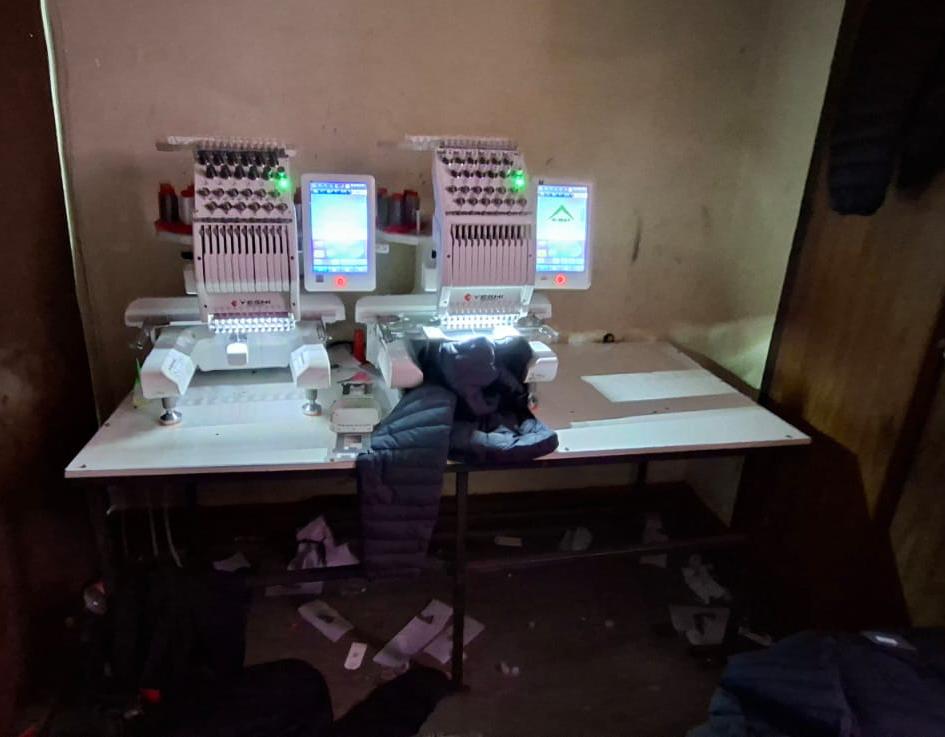
Meanwhile, in Johannesburg, the Gauteng Counterfeit and Illicit Goods Unit, supported by various partners, shut down a counterfeit manufacturing plant operating in a medical building in the CBD. Authorities confiscated counterfeit goods and label-printing machines valued at over R28 million.


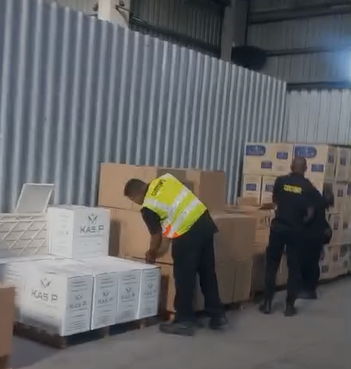
Additionally, a large consignment of fake cigarettes worth R15 million was seized in KwaZulu-Natal.


“These operations form part of broader efforts to address the illegal trade in counterfeit and illicit goods in the country. The illegal trade in counterfeit goods not only undermines the economy of South Africa but also threatens consumer health and safety, infringes on intellectual property rights, and erodes legitimate businesses.”

Mchunu back to working for ANC, police capture probe ongoing

mchunu


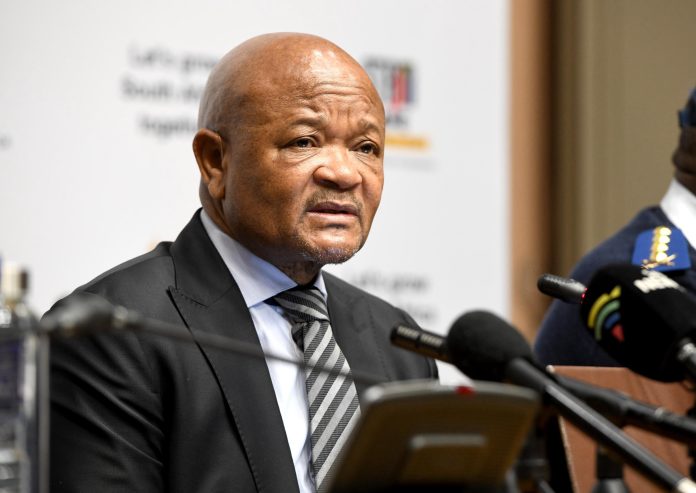
Minister Senzo Mchunu, who was placed on special leave following accusations of his alleged links to underworld figures, has resumed duties as a member of the ANC’s National Executive Committee.  


He confirmed this in an interview with the SABC in Kwambonambi over the weekend. 


He was placed on a leave of absence by President Cyril Ramaphosa in July last year, with his role as police minister temporarily filled by Acting Minister Professor Firoz Cachalia. 


At the time, Ramaphosa called for an investigation into allegations that Mchunu “allegedly interfered with sensitive police investigations and colluded with business people to disband the Political Killings Task Team”. 


His name came up again recently, when Lieutenant-General Nhhlanhla Mkhwanazi returned to Parliament’s Ad-Hoc Committee probing alleged police capture.


Last week, Mkhwanazi testified that he received a handwritten document allegedly written by the cellmate of alleged crime boss Vusimuzi “Cat” Matlala, at the Kgosi Mampuru C-Max Prison in Pretoria. According to Mkhwanazi, the letter reportedly mentions that Mchunu met with the former National Director of Public Prosecutions, Shamila Batohi, to coerce alleged crime boss, Vusimuzi “Cat” Matlala, to make a statement denying that they know each other. 


In his interview with the SABC, Mchunu challenged Mkhwanazi to provide evidence of the claims.


City Celebrates Swimming Skills and Water Safety Ahead of School Holidays

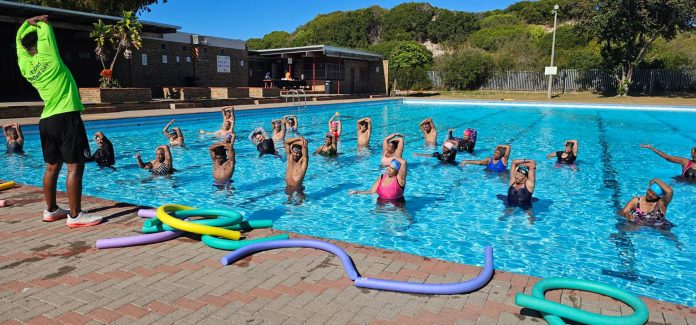
Gala participants engage in a pre-swim warm up


The Westridge Swimming Pool came alive over the weekend, as around 140 young swimmers showcased the skills they’ve gained through the City’s Learn-to-Swim programme at the annual Fun Gala on Saturday.


Mayoral Committee Member for Community Services and Health, Councillor Francine Higham, said the event not only celebrated the swimmers’ achievements but also served as a timely reminder of water safety as school holidays get underway.


“Swimming is a critical life-saving skill that also keeps people active and confident. Given the popularity of our beaches and swimming pools, having more people who can swim and understand the importance of water safety takes the pressure off lifeguards and emergency services,” she added.


Higham says they are fully prepared for high traffic volumes at pools and beaches over the Easter holiday period. She stressed the importance of being cautious when cooling off on hot days.


“Please enjoy our amenities responsibly and always listen to lifeguards and other emergency services. Their job is to protect the public, and cooperation means a safe and enjoyable time for all,” she added.


SWIMMING POOL HOURS


The City’s community swimming pools will operate daily this week for the school holidays. They will close for the season on Tuesday, 7 April.


IMPORTANT NOTICE


The public is reminded that the pools in Delft, Bellville South, Delft, Goodwood, Langa, Lentegeur, Manenberg, and the Vulindlela swimming pools are closed due to continued planned major infrastructure repairs, maintenance, and upgrades.


The four indoor pools in Blue Downs, Long Street, Retreat, and Strand are open year-round, along with the Sea Point swimming pool.


The City’s lifeguards are on duty at all swimming pools and designated bathing areas along the coastline. Beach lifeguard hours are 10:00 until 18:00 daily.


Honorary doctorates for Sooliman and Werner at UCT


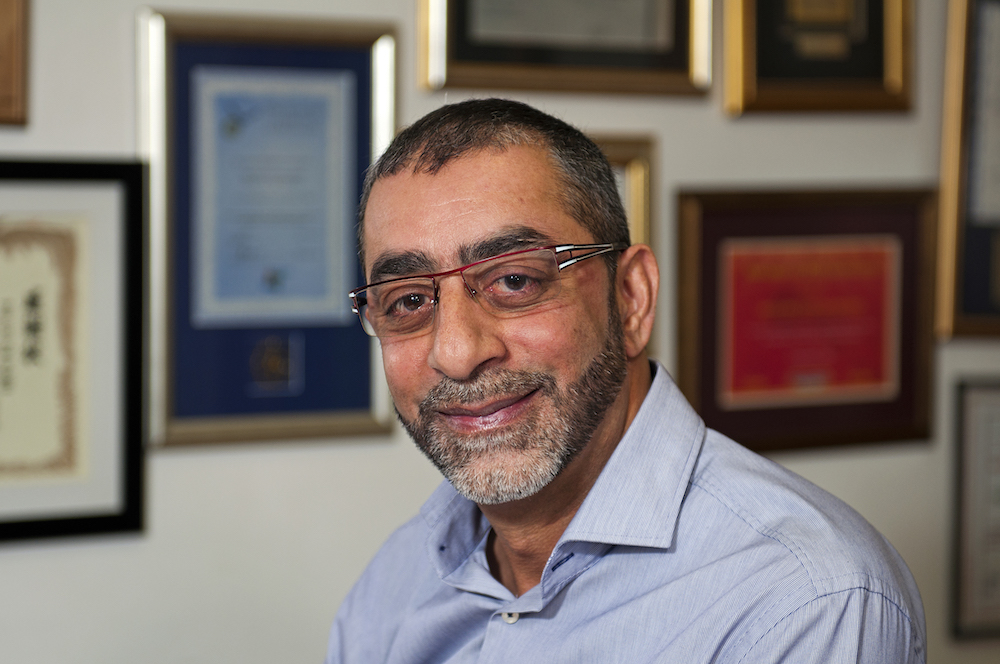
The University of Cape Town (UCT) will confer honorary doctorates on Dr Imtiaz Ismail Sooliman and Mr Cornelius George Werner at its upcoming autumn graduation ceremonies from 28 March to 2 April 2026. Dr Sooliman will be awarded the degree of Doctor of Philosophy (honoris causa) for his humanitarian work on Monday, 30 March 2026, at 14:00; while the degree of Doctor of Music (honoris causa) will be conferred on Mr Werner on Wednesday, 1 April 2026, at 10:00 in recognition of his exceptional contribution to South African jazz.


UCT Vice-Chancellor Professor Mosa Moshabela said: “These two distinguished South Africans have shaped lives, strengthened communities and advanced values that lie at the heart of our institution. Through very different fields, they demonstrate what it means to lead with purpose and to serve society with integrity.”


An honorary doctorate is the highest recognition UCT confers, acknowledging individuals whose lives and work have made a sustained and meaningful contribution to society.


Honorary doctorates for Sooliman and Werner at UCT


Dr Sooliman is the founder of Gift of the Givers, the largest disaster-response organisation of African origin on the continent. For more than three decades, he has dedicated his life to humanitarian service without discrimination. After qualifying in medicine at the University of KwaZulu-Natal, he built a successful private practice. In 1994, he made the profound decision to leave that practice and commit himself fully to serving humanity.


“By honouring Dr Sooliman and Mr Werner, we affirm that humanitarian leadership and cultural stewardship are central to building a just, creative and humane society. We also send a message to our students and graduates that excellence must be matched by service, and talent must be guided by values,” said Moshabela.

Gift of the Givers conference
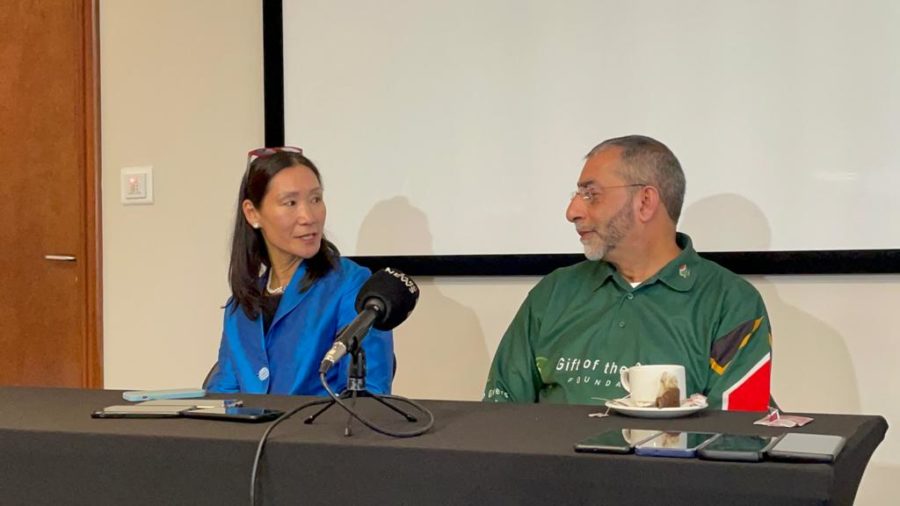
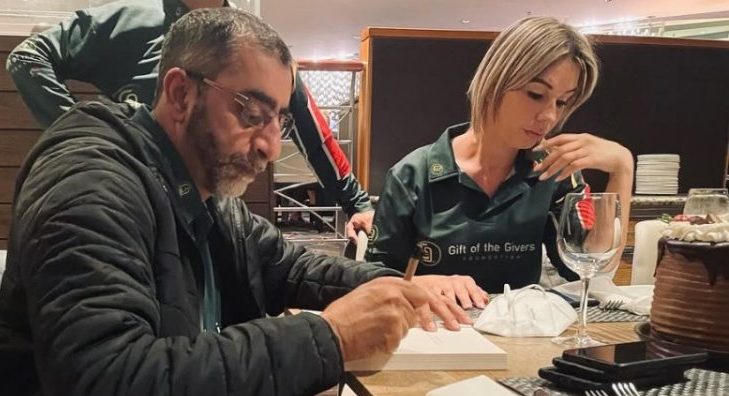
Professor Katherine Chu is seated with Dr Imtiaz Sooliman at the Southern Sun Waterfront in Cape Town, on 16 May 2023.

Under his leadership, Gift of the Givers has delivered more than R6 billion in aid and responded to major crises across 47 countries. The organisation pioneered the first containerised mobile hospital deployed in war-torn Bosnia, as well as the first containerised primary health-care unit. It has supported communities affected by droughts, fires and floods in South Africa; earthquakes in Haiti and Turkey; famine in Somalia; and conflict in Gaza and Syria. It has also provided critical assistance to 210 hospitals during the COVID-19 pandemic.


Gift of the Givers has delivered more than R6 billion in aid


Sooliman’s work gives practical expression to the constitutional values of dignity, equality and freedom. He has shown that decisive, compassionate leadership can restore hope in times of crisis.


Gift of the Givers founder and CEO Dr Imtiaz Sooliman and Eastern Cape coordinator Corene Conradie. Image by Lizell Persens
Gift of the Givers founder and CEO Dr Imtiaz Sooliman and Eastern Cape coordinator Corene Conradie.

“In recognising Dr Sooliman, we affirm our commitment to engaged citizenship and service. His life reminds us that knowledge and expertise carry a responsibility to advance the public good,” said Moshabela.

Werner was born in Mthatha in the Eastern Cape and raised in Athlone, Cape Town. He developed his love of music within his family and community. Although he did not receive formal training, he became a self-taught professional pianist and performed with leading jazz artists such as Winston Mankunku, Ezra Ngcukana, Duke Ngcukana, Robbie Jansen, Errol Dyers, Sylvia Mdunyelwa, Tandie Klaasen and Donald Tshomela.


Werner is an educator and mentor


While his performance career is distinguished, his most enduring contribution has been as an educator and mentor. For decades, he has worked with young musicians across communities – including Langa, Khayelitsha, Nyanga, Gugulethu, Delft, Elsies River and Hanover Park – as well as at schools such as the South African College High School. He participates annually in the Makhanda National Youth Jazz Festival and continues to nurture emerging talent.


Preserving our jazz heritage


Werner has also played a critical role in preserving our jazz heritage. He has transcribed and collated the works of artists such as Winston Mankunku, Robbie Jansen and McCoy Mrubata, creating archives now preserved by the National Library Service. He has also made significant contributions through initiatives such as Musical Action for People’s Progress and as co-founder of The Little Giants with Ezra Ngcukana.


“He has mentored generations of musicians who have gone on to national and international stages. Through his teaching, he has shaped not only musicians but also responsible citizens who carry forward our cultural legacy,” remarked Moshabela.


ARTICLE compiled by the Communication and Marketing Department of the University of Cape Town.

error: Content is protected !!