


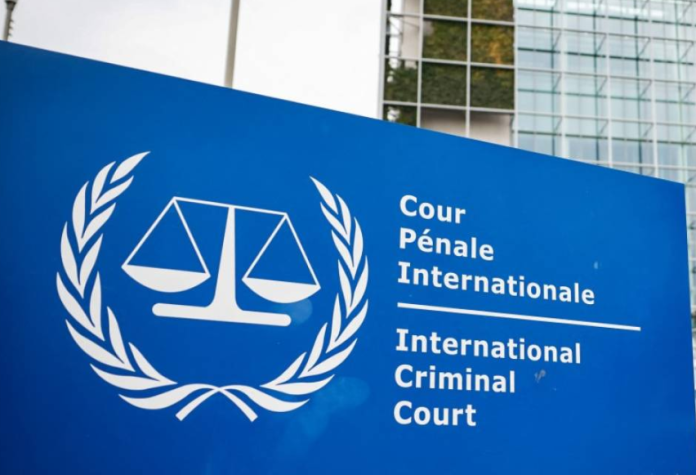
World leaders are reiterating their unwavering support for the International Criminal Court (ICC) after the United States took an unprecedented step to announce sanctions against the institution.
On Friday, hours after the Nobel Peace Prize was awarded to South African-born judge Navi Pillay, US Secretary of State Marco Rubio vowed to “dismantle the ICC, brick by brick” unless it ends what Washington claims is a threat to American citizens.
It’s an escalation in the Trump administration’s actions against the court, following earlier measures targeting 13 of its judges and prosecutors.
The ICC has condemned the latest move as “an assault on the rule of law and on the very foundations of the international legal order”.
The court, which is mandated to investigate and prosecute genocide, crimes against humanity, war crimes and the crime of aggression, said the sanctions were intended to disrupt its operations and intimidate those working with it.
But ICC President Tomoko Akane has vowed that the institution will not back down.
“The Court will continue to fully discharge its mandate, with independence and impartiality, acting only on the basis of the law and the evidence, for the sake of the countless victims of grave crimes,” Akane said.
She warned that the court could not defend itself alone, calling on the states that established it to take concrete steps to ensure it has the resources to continue its work.
“The Rome Statute is a collective promise that the most serious crimes of concern to the international community as a whole must not go unpunished. That promise is only as strong as the resolve of those who made it,” the ICC said.
International backing
Foreign ministers from Canada, Denmark, Germany, France, Italy, Japan, the Netherlands and the United Kingdom have reaffirmed their support for the court.
In a joint statement issued on Friday, the countries said they “regret and strongly disagree with the announcement of sanctions to be imposed upon the Court by the United States”.
They warned that, if implemented, the measures would have a significant impact on the ICC’s work, its staff and their families.
The ministers also pledged to continue working together to support the court’s mandate, uphold the rules-based international system and advance accountability.
UN Secretary-General António Guterres has also strongly condemned the sanctions.
According to his spokesperson, Stéphane Dujarric, the UN chief is “deeply alarmed” by the potential impact on the court’s ability to carry out its mandate.
Guterres described the move as “a serious blow to our collective pursuit of international criminal justice, of which the ICC is a key pillar”.
He reiterated his “unwavering support for the independence of the court and its officials” and called on all states to honour their commitments under international law.
Independent UN human rights experts have separately warned that the sanctions amount to a “brash attempt” to dismantle the international legal system designed to hold perpetrators of the gravest crimes accountable.
“Sanctioning the institution entrusted with delivering justice for the gravest international crimes is an assault on the foundations of international accountability and rule of law,” the experts said.
“No State should place itself beyond the reach of the law by intimidating the court established to enforce it and attempting to dismantle it.”
US defends its position
Rubio has defended the sanctions, saying Washington would “ban transactions with this rogue court, cutting off their resources and crippling its ability to operate”.
“America never joined the court. We don’t need it. And we don’t want it,” he said.
Although Rubio said the door to diplomacy remained open, he warned that the US expected its allies to “rein in the court”.
“Either the ICC will end its threats, or we will end the ICC,” he said.
Today, the Trump Administration is sanctioning the ICC.
This action should encourage our Allies within the Court to work for solutions to end this threat to U.S. sovereignty forever. https://t.co/D86dCqLUaZ
— Secretary Marco Rubio (@SecRubio) October 9, 2026
The ICC was established under the Rome Statute and is supported by 125 states parties. The United States is not a member.